Travelling Rules Change in 2026: Two Countries Indians Can No Longer Enter Without a Visa
Travelling Rules Change in 2026: Two Countries Indians Can No Longer Enter Without a Visa
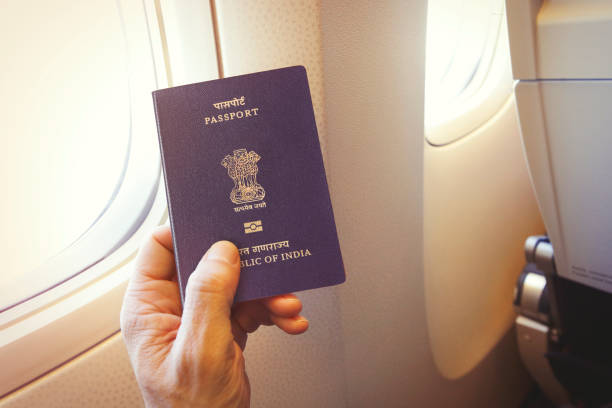
Travelling abroad with an Indian passport has become slightly more powerful in 2026, but not without a few setbacks. India has climbed up the Henley Passport Index, moving from 85th position in 2025 to 80th this year, signalling better global mobility. However, even with this improved ranking, Indian travellers now have access to fewer destinations without prior visa approval. The total count of visa-free or easy-entry countries has dropped from 57 to 55, following rule changes by Iran and Bolivia.
India’s Passport Ranking Improves, Access Shrinks
The Henley Passport Index 2026 reflects stronger international standing for India, yet the reduction in visa-free destinations highlights how quickly travel policies can change. Both Iran and Bolivia, which previously allowed Indians easier entry, have revised their rules, impacting leisure travellers, business visitors, and transit passengers alike.

Why Iran Has Ended Visa-Free Entry for Indians
Indian citizens are no longer permitted to enter Iran without a visa. This decision followed a serious safety concern. On 17 November 2025, India’s Ministry of External Affairs revealed that several Indians had been lured into travelling to Iran under the visa-free system with false promises of jobs or onward travel. Tragically, many of these individuals were kidnapped upon arrival and held for ransom.
In response, Iranian authorities suspended visa-free entry for holders of ordinary Indian passports from 22 November 2025. Since then, all Indian nationals must obtain a valid visa before travelling to or transiting through Iran. Indian authorities have also warned citizens to stay away from agents offering so-called visa-free transit routes through Iran.
What Visa-Free Travel to Iran Meant Earlier
When Iran offered visa-free access, Indian travellers could enter for short stays without applying in advance. Such arrangements are typically based on bilateral agreements or tourism policies and usually come with conditions like limited duration of stay, proof of funds, and valid travel documents. With the suspension now in place, these benefits no longer apply.
Bolivia Shifts From Visa on Arrival to e-Visa
Bolivia has also changed its entry rules for Indian passport holders. From 2026 onwards, Indians must obtain an e-Visa before travelling. This online visa process requires filling out an application form, uploading necessary documents, and paying a fee digitally. Once approved, the visa is issued electronically and must be presented during arrival checks.
Under Henley Passport Index rules, both traditional visas and e-Visas are classified as “visa required” because travellers must secure approval before departure.
How Bolivia’s Policy Looked in 2025
In 2025, Bolivia allowed Indians to obtain a Visa on Arrival. This meant travellers could reach the country without any prior paperwork and complete the visa process at the airport by submitting a form and paying a fee. Due to its convenience and lack of pre-approval, Visa on Arrival was counted as equivalent to visa-free access under the Henley Index.
What This Means for Indian Travellers in 2026
With Iran and Bolivia no longer offering visa-free or visa-on-arrival entry, India’s count of easy-access destinations now stands at 55. While the country’s global passport ranking has improved, travellers planning visits to these two nations must now factor in additional preparation time and paperwork.
It is also important for travellers to remember that visa-free, visa-on-arrival, and electronic travel authorisation rules are not permanent. They can change at short notice due to shifts in diplomatic relations, security concerns, health emergencies, migration trends, or reciprocal policy decisions. Staying updated before planning international travel is more important than ever.