MPCB directs Kapurwadi Grampanchayat in Ahilyanagar to protect migratory bird sanctuary lake
MPCB directs Kapurwadi Grampanchayat in Ahilyanagar to protect migratory bird sanctuary lake
Ahilyanagar, January 24, 2026: The Maharashtra Pollution Control Board (MPCB) has sought immediate intervention from the Kapurwadi Gram Panchayat in Ahilyanagar district, directing it to take urgent measures for the removal and disposal of plastic waste, solid waste, and construction and demolition debris from Kapurwadi lake and its surrounding areas. The board has further instructed that strict vigilance be maintained to prevent any future waste dumping or unauthorised construction, and to ensure that the lake is preserved in a clean and pollution-free condition.
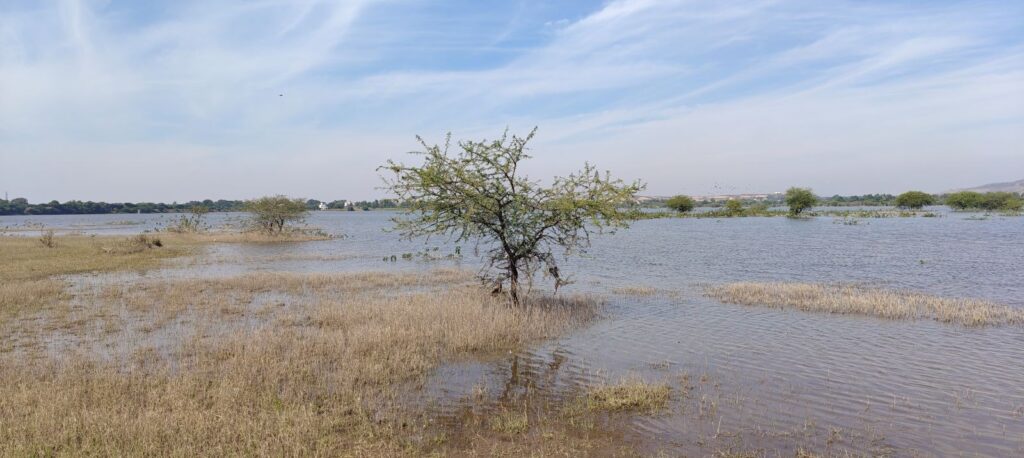
Kapurwadi lake is a historic, rain-fed water body of significant ecological and hydrological importance. It serves as a critical habitat and seasonal resting site for several species of international migratory birds that visit the region during the winter months, drawn by the availability of water and rich feeding grounds. The lake also supports local biodiversity and plays a vital role in groundwater recharge. Environmental experts caution that continued pollution and unregulated construction could disrupt migratory patterns and cause long-term damage to this fragile ecosystem.
The action follows a complaint submitted via email on December 29, 2025, by social activist and BJP member Jayamala Dhankikar. The complaint was initially received by the MPCB’s Nashik regional office and subsequently forwarded to the MPCB Ahilyanagar regional office. On January 21, 2026, the Ahilyanagar office issued directions to the Kapurwadi Gram Panchayat, stating that the matter falls within the local body’s jurisdiction under the Citizens’ Charter, 2000, and requires immediate remedial action.

In its communication to the Gram Panchayat officer and the sarpanch of Kapurwadi village, the MPCB raised serious concerns over the dumping of plastic waste, solid waste and debris from old construction activities in and around the lake. The board warned that continued neglect and unchecked construction pose a grave threat to the water body and its surrounding ecosystem.
The Gram Panchayat has been instructed to implement remedial measures without delay and submit a detailed action-taken report. The MPCB has also directed that the complainant be informed directly of the steps taken, with a copy of the report submitted to its Ahilyanagar office. Copies of the directive have been forwarded to the Ahilyanagar district collector, the district chief executive officer, the MPCB’s Nashik regional officer and the tehsildar of Nagar taluka, underscoring the seriousness of the issue and the need for coordinated administrative action.
Environmental activists have welcomed the intervention, stating that timely enforcement is essential to prevent irreversible ecological damage and to ensure accountability of local authorities in protecting natural water bodies.
In her petition to the Central Pollution Control Board (CPCB), the MPCB and the Ministry of Environment, Forest and Climate Change, Dhankikar highlighted the ongoing environmental degradation of Kapurwadi Talaon (Kapurwadi Lake), a historically and ecologically significant water body near Kapurwadi village in Ahmednagar district. Constructed during the Nizam Shahi period, the lake once played a crucial role in meeting the water needs of Ahmednagar city and continues to be an important ecological asset.
The petition points to severe threats posed by indiscriminate dumping of waste and pollutants along the lake’s embankments and bed, leading to declining water quality, habitat destruction and increased risks to aquatic life, birds and public health. It also raises alarm over cement concrete structures, paving and hard landscaping around the lake, noting that such interventions violate wetland conservation principles, disrupt natural percolation, weaken embankments and heighten flood risks during heavy monsoons.
Dhankikar has urged authorities to conduct an urgent environmental assessment of the lake and its buffer zone, remove waste followed by ecological restoration, restrain and review all construction activities around the embankment and catchment area, and implement a scientific conservation and restoration plan in line with wetland protection guidelines. She has also called for Kapurwadi Talaon to be formally recognised and protected as a significant water body, with long-term safeguards including fencing, signage, monitoring and strict enforcement.