These 10 Airports Are Bigger Than Mumbai Airport: The World’s Largest Aviation Giants

These 10 Airports Are Bigger Than Mumbai Airport: The World’s Largest Aviation Giants
Mumbai’s Chhatrapati Shivaji Maharaj International Airport is one of India’s busiest gateways—but on the global stage, it’s far from the biggest. Across the world, some airports are so massive they function like entire cities, dwarfing Mumbai Airport in size, capacity, and infrastructure. Here are 10 aviation giants that are bigger than Mumbai Airport.
1. King Fahd International Airport (DMM)
Covering a staggering 776 square kilometres, King Fahd International Airport in Dammam, Saudi Arabia, is officially the largest airport in the world by land area. Built amid vast desert surroundings, this airport feels almost limitless in scale. Designed by Minoru Yamasaki Associates, its layout reflects Saudi cultural identity and Islamic architectural traditions. Despite its immense size, only a portion of the land is currently developed, leaving room for future growth that few airports on Earth can match.

2. Denver International Airport (DEN)
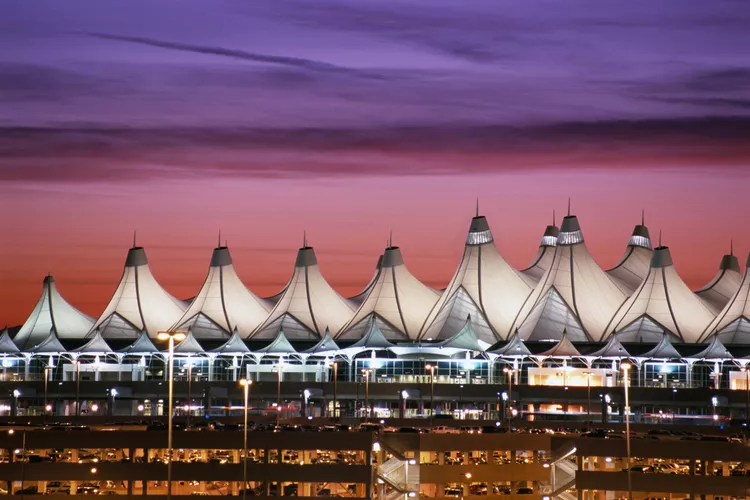
Spread across 137.8 square kilometres, Denver International Airport is the largest airport in North America. Located in the US state of Colorado, it is instantly recognisable for its dramatic white, tent-style roof inspired by the Rocky Mountains. Designed by Curtis Fentress, the airport is filled with natural daylight and wide-open interiors, creating a calm and spacious travel experience. Its massive footprint allows for efficient aircraft movement and long-term expansion planning.
3. Kuala Lumpur International Airport (KUL)
Kuala Lumpur International Airport occupies nearly 100 square kilometres in Sepang, Malaysia. Conceptualised as an “airport in the forest,” it blends aviation infrastructure with nature-inspired design. Created by Japanese architect Kisho Kurokawa in collaboration with Malaysia’s AJM, the airport features green buffer zones, wooden interior elements, and structural columns designed to resemble trees. Multiple runways and extensive support areas make it a key hub in Southeast Asia.
4. Istanbul Airport (IST)

Spanning 76.5 square kilometres, Istanbul Airport is one of the world’s newest mega-airports. Located about 35 kilometres from central Istanbul near the Black Sea, it plays a strategic role connecting Europe, Asia, and the Middle East. Its architecture draws inspiration from Ottoman mosques and Istanbul’s historic skyline. Monumental in both scale and ambition, the airport has quickly become one of the most important global aviation hubs.
5. Dallas/Fort Worth International Airport (DFW)
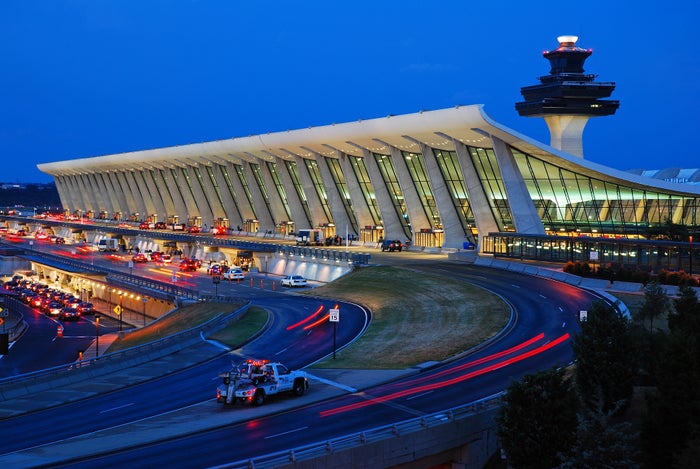
With a land area of 69.7 square kilometres, Dallas/Fort Worth International Airport sits between two major Texan cities. Designed to support future expansion, the airport features semicircular terminals arranged around a central roadway system. This layout simplifies navigation for both passengers and aircraft. Known for its efficiency and size, DFW remains one of the most important transport hubs in the United States.
6. Washington Dulles International Airport (IAD)
Washington Dulles International Airport covers 47.8 square kilometres and is located 26 miles west of Washington, D.C. Serving over 23 million passengers annually, the airport is notable for its bold modernist design and wide-open layout. It stands as an enduring example of mid-20th-century American architectural ambition within global aviation infrastructure.
7. Beijing Daxing International Airport (PKX)
Occupying around 47 square kilometres, Beijing Daxing International Airport is one of China’s most ambitious infrastructure projects. Famous for its starfish-shaped terminal, the airport is designed to reduce walking distances and improve passenger flow. The architecture blends futuristic design with traditional Chinese principles, centred around a courtyard concept. Built to support rapidly increasing air traffic, it represents the future of large-scale airport planning.
8. Orlando International Airport (MCO)
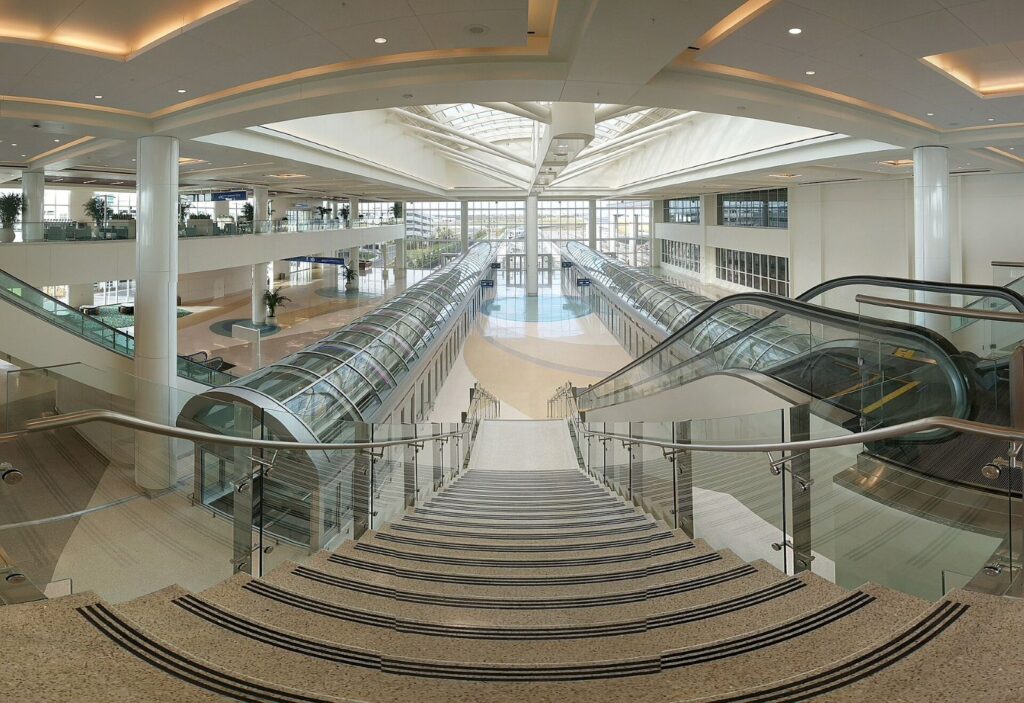
Orlando International Airport spans 46.9 square kilometres in Florida, USA. Originally a military base known as McCoy Air Force Base, it has evolved into a major global gateway for tourism. The airport focuses strongly on sustainability, modern design, and passenger comfort. Its size and layout support millions of visitors travelling to and from one of the world’s most popular holiday destinations.
9. George Bush Intercontinental Airport (IAH)
Located north of Houston, Texas, George Bush Intercontinental Airport covers 44.5 square kilometres. Opened in 1969, it reflects Houston’s modernist architectural roots while offering contemporary travel facilities. Spread across a vast area, the airport supports international and domestic operations and mirrors the cultural diversity and scale of the city it serves.
10. Shanghai Pudong International Airport (PVG)
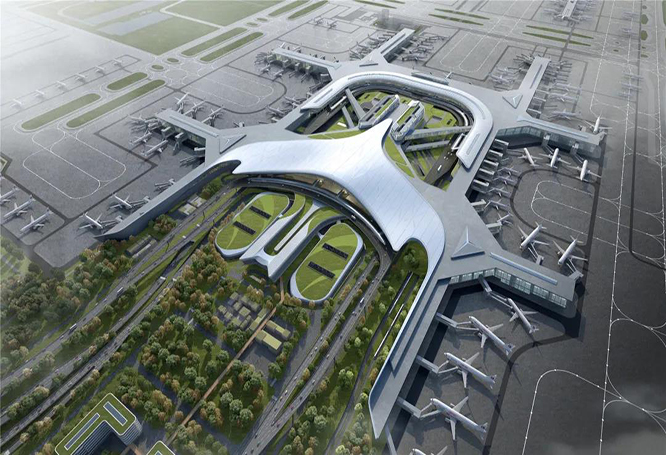
At 40 square kilometres, Shanghai Pudong International Airport completes the list. Situated about 30 kilometres east of central Shanghai in the Pudong New Area, it is a vital passenger and cargo hub for the Asia-Pacific region. The airport features an “H”-shaped layout with two main terminals linked to the world’s largest satellite halls. Continuous expansion has strengthened its role as a primary gateway to China’s financial capital.