Mahashivratri 2026: Date, Puja Rituals, Samagri List And The Spiritual Meaning Of The Great Night Of Shiva
Mahashivratri 2026: Date, Puja Rituals, Samagri List And The Spiritual Meaning Of The Great Night Of Shiva
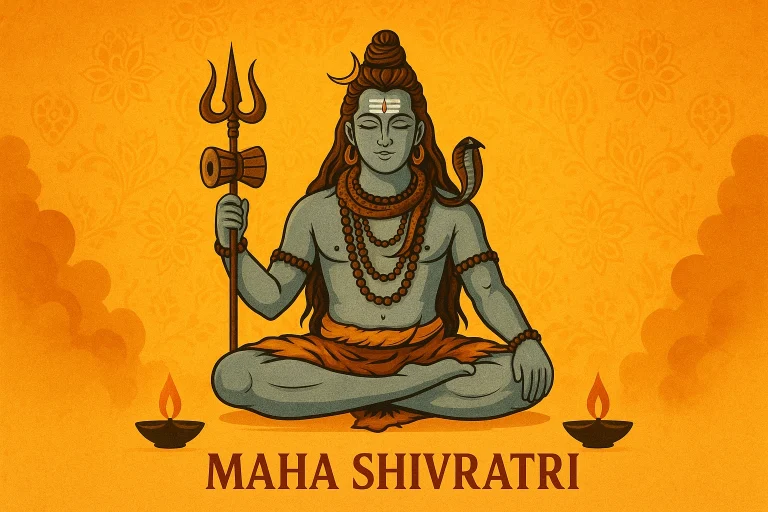
Mahashivratri stands as one of the most spiritually powerful nights in the Hindu calendar, devoted entirely to Lord Shiva—the deity who represents transformation, inner stillness, and cosmic balance. Unlike many festivals that are marked by celebration during the day, this sacred occasion unfolds through the night, as devotees immerse themselves in prayer, meditation, and jaagran (night-long vigil).
While Shivratri occurs every month, the Mahashivratri that falls in the month of Phalguna carries exceptional significance. It is widely believed to commemorate the divine wedding of Lord Shiva and Goddess Parvati—a sacred union symbolizing the harmony of ascetic wisdom and worldly life. On this auspicious night, devotees offer water, belpatra (bael leaves), and akshat (uncooked rice) to the Shivling, seeking blessings for peace, prosperity, and spiritual upliftment.
Mahashivratri 2026: Date And Chaturdashi Tithi Timings

According to the Hindu Panchang, the Chaturdashi Tithi of Krishna Paksha in Phalguna will begin on:
February 15, 2026 at 5:04 PM
It will end on February 16, 2026 at 5:34 PM
Unlike most Hindu festivals that are observed based on the Udaya Tithi (sunrise timing), Mahashivratri follows a distinct tradition. The festival is celebrated on the day when the Chaturdashi Tithi prevails during Nishita Kaal (the midnight period).
Based on this calculation, Mahashivratri will be observed on February 15, 2026.
Complete Mahashivratri Puja Samagri List
Devotees carefully arrange sacred offerings for the ritual worship of Lord Shiva and Goddess Parvati. The essential items include:
Shivling and white cloth
Bel leaves (bael patra), bhang, dhatura, and shami leaves
Madar flowers or floral garlands
Cow’s milk, curd, sugar, fruits, sweets, and ghee
Lotus and white flowers
Gangajal (holy water from the Ganga) and clothes for Lord Shiva
Adornments and clothes for Goddess Parvati
Havan samagri
Items for donation such as clothes, grains, jaggery, and ghee
Oil lamp for aarti, cardamom, betel leaves, and betel nuts
Cow ghee, camphor, perfume, and cloves
Sacred thread (janeu), sandalwood, saffron, and rice
Seasonal fruits, khus, abhrak, and a kush grass mat
Mauli (sacred thread), protective thread, sacred ash (bhasma), honey, and berries
Shiv Chalisa and other religious texts
Prasad preparations such as halwa, thandai, and lassi
Why Devotees Observe Night-Long Vigil On Mahashivratri
The tradition of staying awake through the night holds both spiritual and astrological importance. It is believed that on Mahashivratri, planetary alignments create a naturally supportive environment for spiritual growth. Many spiritual traditions suggest that cosmic energies move upward within the human system on this night.
Remaining awake with an alert mind and an upright posture is said to enhance physical well-being while also aiding meditation and self-awareness. For seekers, the night becomes an opportunity to deepen their connection with Lord Shiva through chanting, prayer, and introspection.
From both spiritual and worldly perspectives, performing Shiv sadhana during Mahashivratri is considered highly rewarding. Devotees believe that sincere worship on this occasion can bring marital harmony, help in finding a suitable life partner, and strengthen happiness in married life.
The Essence Of Mahashivratri
Mahashivratri is more than a festival—it is a night of awakening. It invites devotees to rise above distractions, turn inward, and experience a deeper sense of clarity and devotion. As temples echo with chants of “Om Namah Shivaya,” the atmosphere transforms into one of faith and divine energy.
Observing this sacred night with sincerity is believed to bring spiritual progress, inner peace, and blessings that extend into every aspect of life.