Pulwama Attack | February 14, 2019: Remembering the 40 Brave CRPF Soldiers Who Laid Down Their Lives
Pulwama Attack | February 14, 2019: Remembering the 40 Brave CRPF Soldiers Who Laid Down Their Lives
Some dates are etched into history not just as calendar markings, but as moments that test a nation’s spirit. February 14, 2019, stands as one such day for India — a day of profound sorrow, but also of unwavering unity and courage. Seven years later, the memory of the 40 brave personnel of the Central Reserve Police Force (CRPF) who laid down their lives in Pulwama continues to stir the nation’s conscience.
On that fateful afternoon, a convoy of more than 60 vehicles carrying 2,547 CRPF personnel was moving along the Jammu–Srinagar National Highway. As the vehicles reached Goripora in Avantipora, tragedy struck with devastating force.
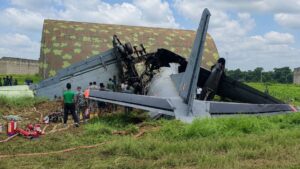
A suicide bomber, driving an explosives-laden vehicle, rammed into one of the buses in the convoy. Despite repeated warnings from security personnel to maintain distance, the attacker drove dangerously close before detonating the explosives. The blast was massive — so powerful that it was heard several kilometers away. Within seconds, one bus was reduced to twisted metal and debris. Forty CRPF personnel were killed instantly.

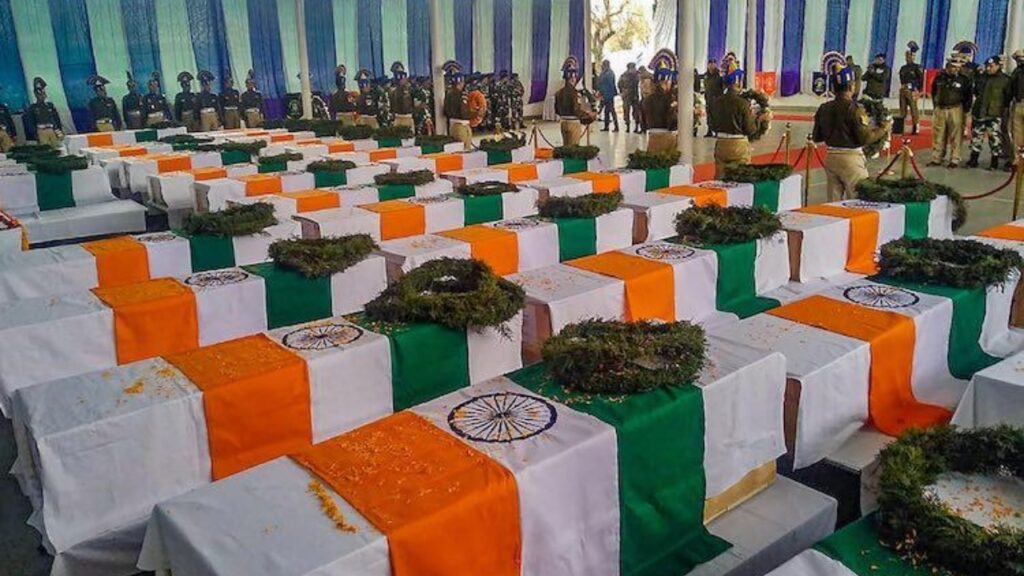
The entire nation was plunged into mourning. Homes across India lit candles. Families grieved. Citizens stood united in shock and anger.
Soon after the attack, the Pakistan-based terror organisation Jaish-e-Mohammed (JeM) claimed responsibility. Evidence and intelligence inputs pointed towards the group’s operations being orchestrated from Pakistani soil, reigniting diplomatic tensions between India and Pakistan. The international community condemned the attack strongly. Several global leaders voiced support for India’s fight against terrorism, strengthening New Delhi’s diplomatic stance against cross-border terror networks.
India’s response came swiftly and decisively. On February 26, 2019, the Indian Air Force carried out precision airstrikes targeting JeM’s largest terror training camp in Balakot, Pakistan. A squadron of Mirage 2000 fighter jets undertook the mission. Around 2,000 Indian Air Force personnel were involved in the operation, and nearly 1,000 kilograms of explosives were dropped on the identified terror facility. India stated that approximately 300 terrorists were eliminated in the strike.
The Balakot operation marked a significant shift in India’s counter-terror doctrine, demonstrating the country’s willingness and capability to strike deep inside enemy territory when provoked.
The situation escalated further the following day as an aerial engagement took place between the Indian Air Force and the Pakistan Air Force. During the confrontation, Wing Commander Abhinandan Varthaman, flying a MiG-21 Bison, successfully shot down a Pakistani F-16 fighter jet. In the intense exchange, his aircraft was hit, forcing him to eject across the Line of Control into Pakistani territory, where he was captured.
Despite being in enemy custody, Abhinandan remained composed and dignified. His calm demeanor and unflinching resolve became symbolic of India’s resilience. Amid mounting international pressure, Pakistan released him on March 1, 2019.
In recognition of his gallantry and service, the Government of India conferred upon him the prestigious Vir Chakra.
Seven years have passed, yet the pain of losing 40 CRPF personnel remains deeply personal for countless families and for the nation at large. Their sacrifice is not just a chapter in history; it is a reminder of the cost of terrorism and the responsibility to remain vigilant. The Pulwama attack reshaped India’s security posture and strengthened its resolve to combat terrorism without hesitation. The Balakot airstrike sent a clear message — acts of terror will not go unanswered.