Secret And Unsettling Places In India That People Fear Visiting And The Real Reasons Why
Secret And Unsettling Places In India That People Fear Visiting And The Real Reasons Why
India is full of breathtaking landscapes and ancient heritage. But scattered across the country are places that many travellers avoid not always because they are officially forbidden, but because they carry isolation, tragedy, strange history, or mysteries that feel impossible to explain.
Some places frighten people because of ghost stories. Others feel disturbing because something real happened there a disaster, an abandonment, an unexplained event, or simply the weight of silence.
Here are some of India’s most eerie and avoided locations, where fear is often rooted in history more than superstition.
Roopkund Lake, Uttarakhand — The Skeleton Lake

High in the Himalayas lies Roopkund, a small frozen glacial lake that hides hundreds of human skeletons beneath its surface.

When snow melts, bones become visible, a chilling reminder of a forgotten tragedy. Discovered in the 1940s, the remains were once believed to belong to soldiers. Later scientific studies dated many of them back to the 9th century, possibly pilgrims struck by a sudden hailstorm.
Even today, the sheer number of skeletons and their preservation makes Roopkund one of India’s most haunting archaeological mysteries.
Bhangarh Fort, Rajasthan — The Fort Closed After Dark
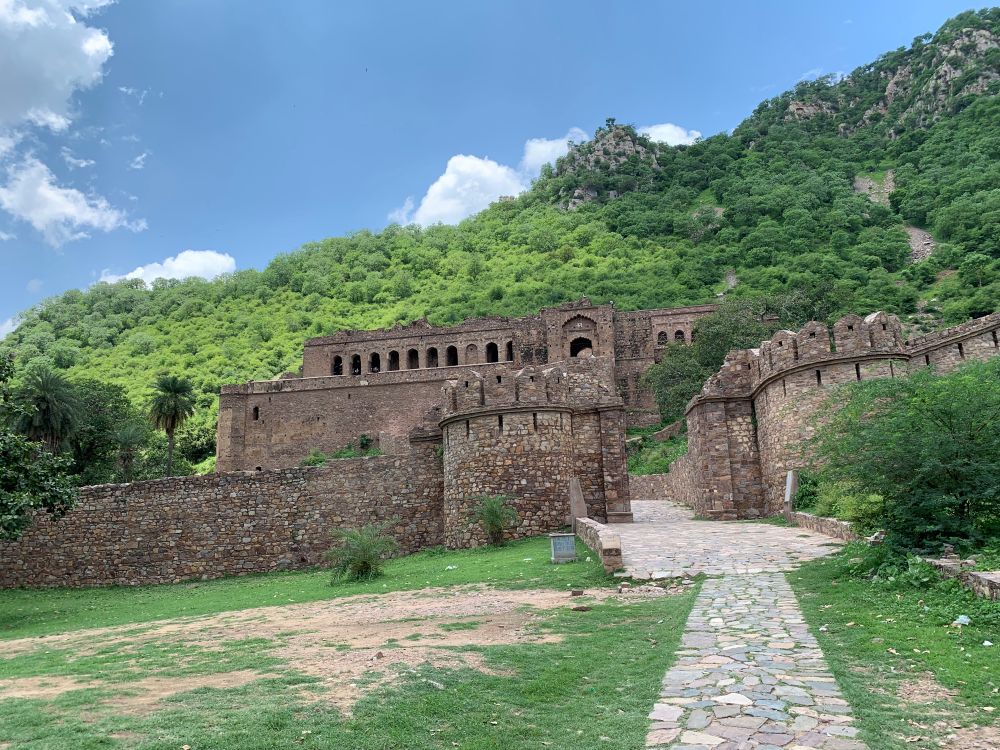
Bhangarh is often called India’s most haunted fort, but what truly makes it unsettling is that entry is officially restricted at night.
The Archaeological Survey of India has placed a warning prohibiting visitors between sunset and sunrise. Legends speak of a curse after a sorcerer was rejected by a princess.
Whether one believes the folklore or not, the empty ruins and strict rules create an atmosphere few forget.
Kuldhara Village, Rajasthan — The Settlement That Vanished Overnight
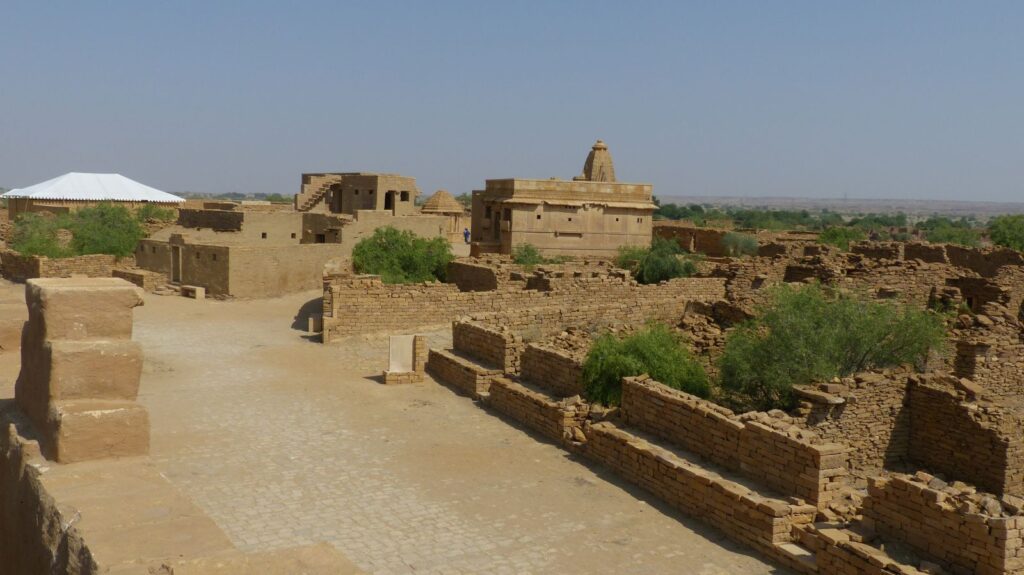
Near Jaisalmer lies Kuldhara, an abandoned village deserted since the early 1800s.
Local stories claim the entire population fled in one night to escape oppression, leaving behind houses, temples, and streets frozen in time. Some believe they cursed the land so no one could ever resettle there.
The silence of Kuldhara is what unnerves visitors most, a village that feels unfinished.
Dhanushkodi, Tamil Nadu — The Ghost Town Destroyed By The Sea
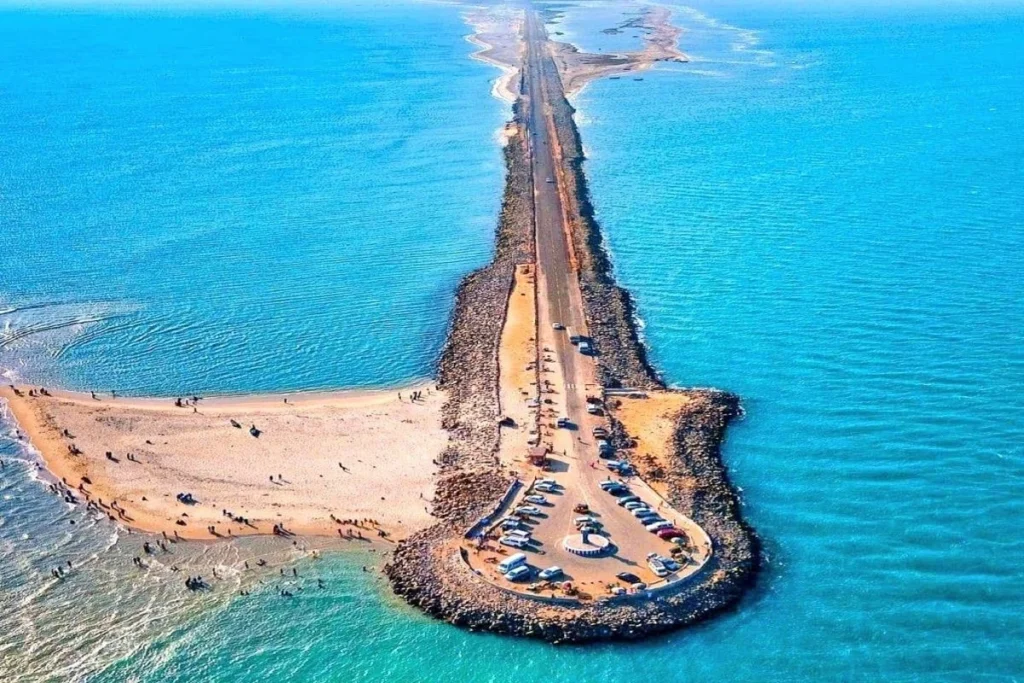
At the tip of Rameswaram lies Dhanushkodi, once a busy coastal town until a massive cyclone in 1964 wiped it out overnight.
Over 1,800 lives were lost, and the government declared the area unfit for habitation. Today, broken churches, ruined rail tracks, and sand-covered streets remain.
People fear Dhanushkodi not because of ghosts, but because it shows how quickly nature can erase human life.
Dowhill Road, West Bengal — The Misty Forest Stretch
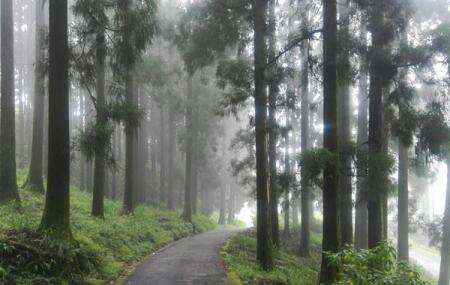
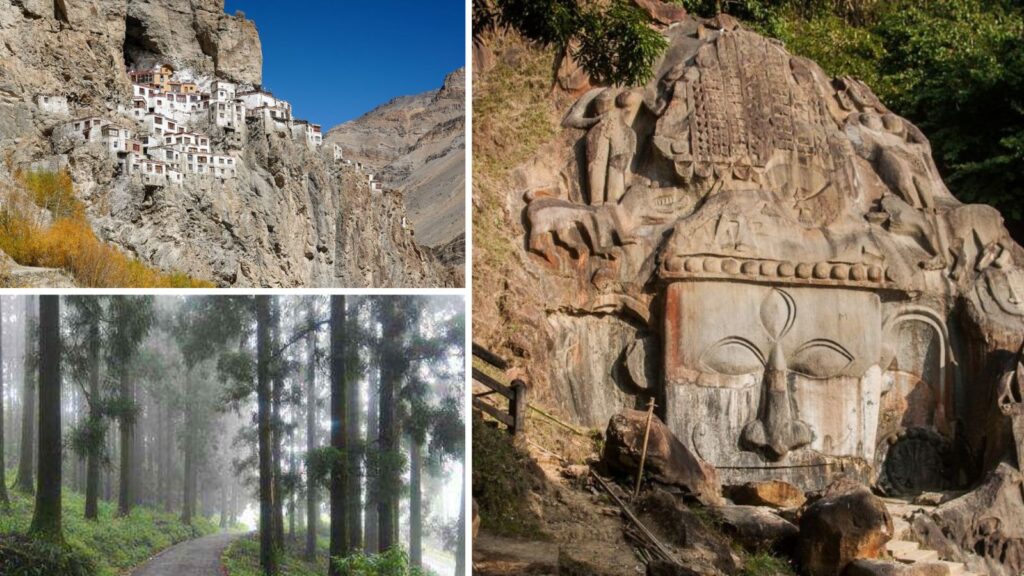
In Kurseong, Dowhill Road runs through dense pine forests and old colonial-era schools.
It is infamous for unsettling local reports, including sightings of a “headless boy” and eerie footsteps in empty school corridors. The constant fog and isolation make the road feel unnerving even in daylight.
Here, fear comes from atmosphere — not proof.
Jatinga, Assam — The Village Of Falling Birds
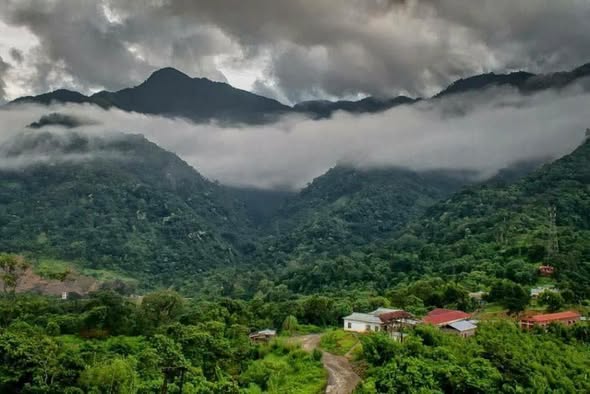
Jatinga is known worldwide for a strange phenomenon: between September and October, birds are found crashing into buildings on moonless nights.
Scientists suggest fog, weather patterns, and artificial lights disorient migrating birds. Yet the event has fed superstition for over a century.
Even with explanations, the sight remains deeply unsettling.
Phugtal Monastery, Ladakh — The Cave Hanging On A Cliff

Phugtal Monastery is one of India’s most remote spiritual sites, built into the mouth of a cave on a mountainside.
It is not feared because it is haunted, but because of its isolation. Reaching it requires long treks through harsh terrain, and the monastery seems almost unreal, clinging to rock in silence.
Its remoteness makes it mysterious.
Gandikota, Andhra Pradesh — The Grand Canyon Of India

Gandikota is a dramatic gorge carved by the Pennar River, often called India’s Grand Canyon.
It is breathtaking, but its steep cliffs, deep silence, and vast emptiness can feel unsettling, especially after sunset. Here, fear is born from nature’s scale, the reminder of how small humans are.
Unakoti, Tripura — The Hidden Rock-Carved Gods
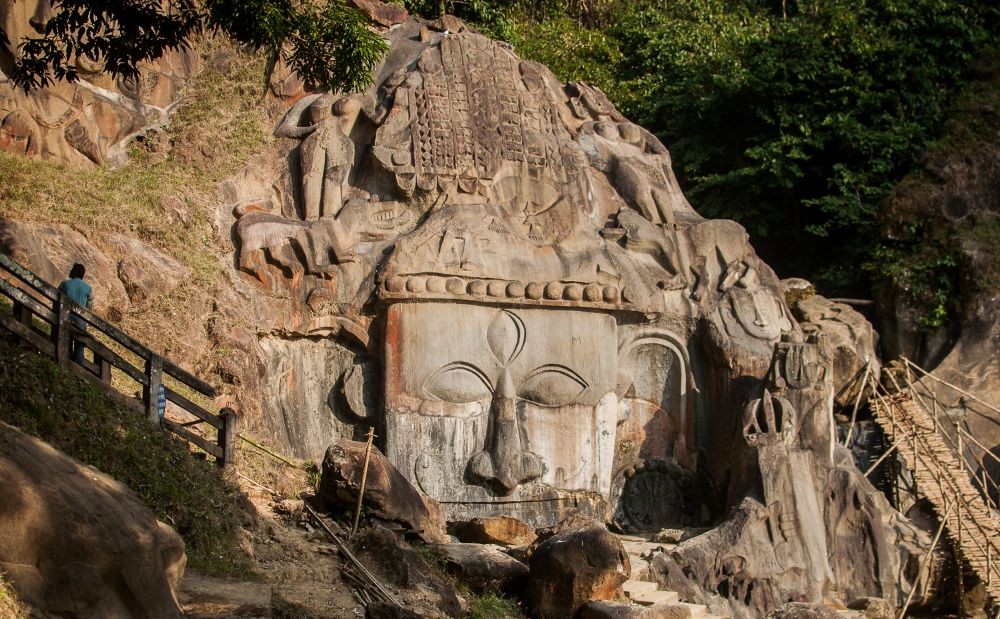
Deep in Tripura’s forests lies Unakoti, where massive ancient carvings of gods are etched into rock faces.
The site feels secret and otherworldly, surrounded by wilderness. Visitors often describe it as beautiful but eerie, as if the forest has been guarding it for centuries.
Why Do These Places Feel So Unsettling?
What links these locations is not horror, but human emotion:
- abandonment,
- tragedy,
- extreme isolation,
- natural danger,
- and history that feels unfinished.
India’s landscape holds not only beauty, but echoes and sometimes, fear is simply our response to those echoes.
Disclaimer: Many stories connected to these places are based on folklore, local belief, or atmosphere. Visitors should follow official travel advisories and safety regulations while exploring remote or historical locations.