Bad Cholesterol Warning Signs: What To Eat And How To Increase Good HDL Naturally
Bad Cholesterol Warning Signs: What To Eat And How To Increase Good HDL Naturally
Experts explain symptoms, causes and lifestyle changes that can help protect the heart and blood vessels
When people hear the word cholesterol, they often immediately think of heart attacks. However, cholesterol itself is not entirely harmful. According to the American Heart Association, cholesterol is a waxy substance produced by the liver and is essential for building cells and producing vitamin D and certain hormones.
The problem begins when cholesterol levels in the blood rise beyond healthy limits. Excess low-density lipoprotein (LDL), commonly called “bad cholesterol,” can accumulate on the walls of arteries. This process, known as atherosclerosis, narrows blood vessels and increases the risk of heart disease and stroke. Reports suggest that nearly 30% of deaths globally are linked to heart-related conditions associated with high cholesterol.
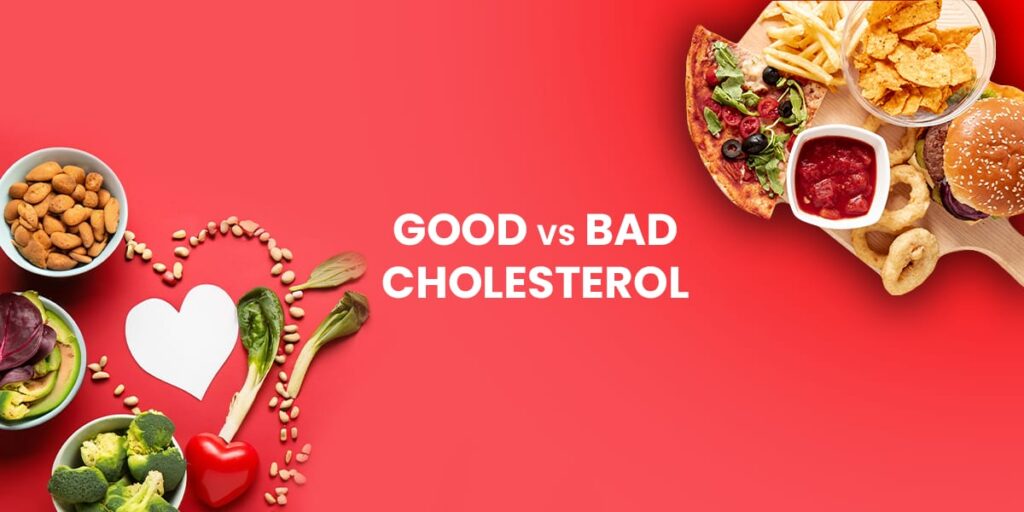
Good vs Bad Cholesterol

Cholesterol travels through the bloodstream in two main forms. LDL (low-density lipoprotein) is considered harmful because it deposits fat in arteries. HDL (high-density lipoprotein), known as “good cholesterol,” helps remove excess cholesterol from the bloodstream and carries it back to the liver for processing.
Maintaining higher HDL and lower LDL levels is crucial for long-term cardiovascular health.
Risk Factors And Causes
One major risk factor is familial hypercholesterolemia, a genetic condition in which the liver cannot properly remove LDL from the blood. Obesity also plays a significant role, as it can cause insulin resistance and lower HDL levels.
Chronic inflammation, often linked to excess body weight, further strains the heart and negatively impacts cholesterol balance. Smoking and alcohol consumption can also increase LDL levels.
Symptoms: Why It’s Called A ‘Silent Killer’
High cholesterol often shows no immediate symptoms, which is why it is frequently described as a “silent killer.” Many people only discover the problem through routine blood tests.
When cholesterol levels become dangerously high and blood flow is restricted, warning signs may appear. These can include chest pain (angina), shortness of breath, fatigue and, in severe cases, symptoms related to heart attack or stroke.
Can Cholesterol Be Reversed?
Medical experts say that with discipline and proper guidance, cholesterol levels can be significantly reduced. A clinical trial published in the Journal of the American College of Cardiology found that patients who made major changes in diet and exercise saw a noticeable reduction in arterial plaque.
Along with prescribed medication when needed, lifestyle changes can help normalise cholesterol levels within three to six months. Results depend on consistency in daily habits.
What To Eat For Healthy Cholesterol
Diet plays a crucial role in controlling cholesterol. Experts recommend reducing saturated fats found in meat, butter, cheese and full-fat dairy products. Cutting saturated fat intake to less than 7% of total daily calories may reduce LDL by 8% to 10%.
Foods rich in soluble fibre help lower bad cholesterol. These include beans, oats, cereals, okra, eggplant, apples, grapes, strawberries and guava. Fatty fish, walnuts and flax seeds provide omega-3 fatty acids, which support heart health.
Garlic is also widely known for its cholesterol-lowering properties due to a compound called allicin. Experts advise eliminating refined sugar and processed oils from the diet to further reduce risk.
Exercise And Lifestyle Changes
Regular physical activity helps raise HDL while lowering LDL. The British Heart Foundation recommends at least 150 minutes of moderate aerobic exercise per week, such as brisk walking, cycling or swimming.
Strength training can also help by increasing muscle mass and supporting better fat metabolism. Practices like Suryanamaskar and Kapalbhati may improve metabolism and assist in weight control.
Avoiding smoking and limiting alcohol consumption are equally important steps toward maintaining healthy cholesterol levels.
Disclaimer: This article is for informational purposes only. Readers should consult a qualified medical professional before making any changes to diet, exercise or medication.