Dining Table Or Floor Seating? Vastu Shastra Reveals Eating Rules Believed To Bring Health, Happiness And Prosperity
Dining Table Or Floor Seating? Vastu Shastra Reveals Eating Rules Believed To Bring Health, Happiness And Prosperity
According to Vastu Shastra and Ayurveda, the way people sit, the direction they face and even the placement of the dining table are believed to influence health, positive energy and prosperity at home.
Many Indian families today prefer dining tables for convenience, but traditional practices of eating while sitting on the floor continue to hold significance in Vastu Shastra and Ayurveda. Experts believe that eating habits are not only linked to physical health but also to the flow of positive energy within a home.

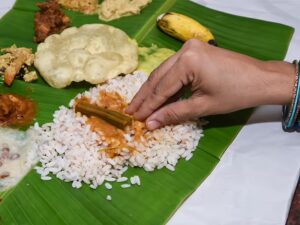
According to Vastu principles, the ideal posture for eating is sitting cross-legged on the floor in Sukhasana, a position believed to support digestion, improve body balance and strengthen the connection with the earth element.
However, Vastu advises against sitting directly on the bare floor while eating. Instead, people are encouraged to sit on a cotton, woollen or kusa mat. It is believed that sitting directly on the floor may cause positive energy to disperse into the ground.

Another important recommendation is to place the food plate on a small stool or raised platform rather than directly on the floor. This practice is considered a sign of respect towards food and is believed to enhance positive vibrations during meals.
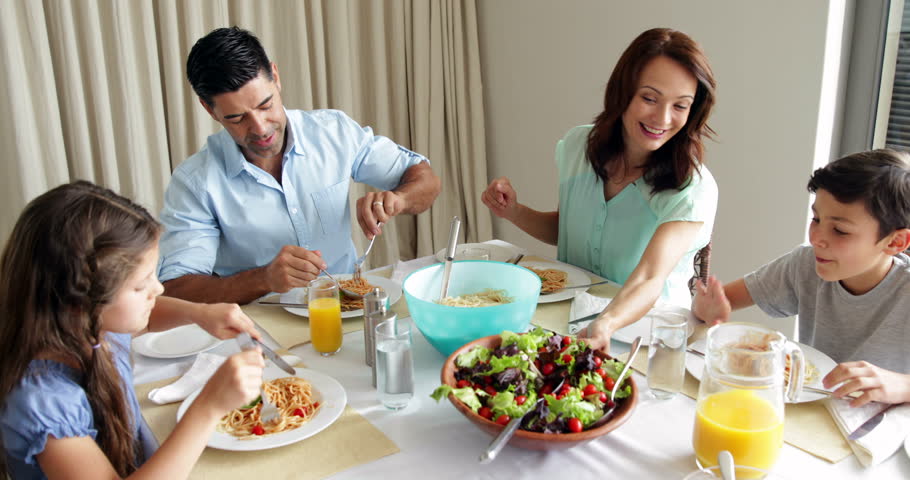
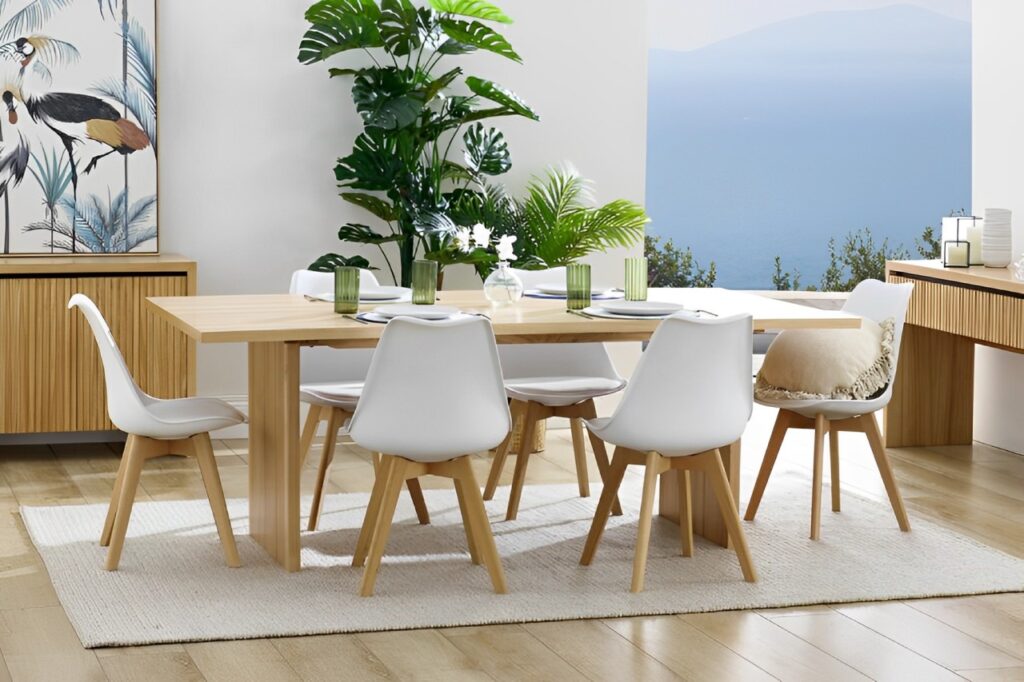
For families using dining tables, Vastu guidelines suggest opting for square or rectangular tables, as these shapes are believed to maintain better energy balance. Round dining tables are generally considered less favourable from a Vastu perspective.
The location of the dining area also holds importance. Vastu recommends placing the dining room or dining table in the west or southwest part of the home. Family members are advised to face east or north while eating.
Facing east while eating is believed to support health, digestion and positive energy, while the north direction is associated with wealth, learning and professional growth. The west direction is considered favourable for businesspersons and those seeking career progress.
Conversely, Vastu discourages eating while facing south, which is traditionally associated with ancestors and is believed to increase mental stress and negative energy.
Another commonly followed Vastu practice is placing a mirror in front of the dining table. If the mirror reflects food, it is believed to symbolically double abundance and attract prosperity into the household.
“Many traditional Indian homes were designed keeping dining directions and seating arrangements in mind. While modern lifestyles have changed, several families still prefer following these practices for peace of mind and family harmony,” said Vastu consultant Meera Kulkarni.
Interior designers note that Vastu considerations are increasingly influencing modern home layouts.
“Homeowners often ask for dining spaces aligned with Vastu principles. We now see dining rooms being planned in the west or southwest zones while maintaining contemporary aesthetics,” said interior designer Rohan Deshpande.
Some families continue to value floor seating during festivals and special occasions.
“We eat at a dining table every day, but during religious functions we still sit on mats on the floor. It brings a sense of togetherness and connection with tradition,” said Pune resident Anjali Joshi.
While these practices are widely followed in many households, experts note that personal comfort, health conditions and practical considerations should also be taken into account when deciding dining arrangements.
FAQs
Is eating on the floor considered better than eating at a dining table?
According to Vastu and Ayurveda, sitting cross-legged on the floor in Sukhasana is considered beneficial for digestion and body balance.
Can food be placed directly on the floor while eating?
Vastu recommends placing the plate on a small stool or raised platform instead of directly on the floor.
Which direction is considered best for eating?
Facing east is considered most beneficial for health and digestion, while north is associated with wealth and learning.
Is it okay to face west while eating?
Yes. Vastu considers the west direction favourable for business growth, profits and comfort.
Why is south-facing dining considered inauspicious?
According to Vastu beliefs, the south direction is associated with ancestors and may increase mental stress and negative energy.
What shape should a dining table be according to Vastu?
Square and rectangular dining tables are considered ideal because they are believed to promote energy balance.
Does placing a mirror near the dining table help?
Vastu suggests that a mirror reflecting food symbolises abundance and prosperity in the household.
Disclaimer: Vastu Shastra is a traditional belief system and its principles are based on cultural and spiritual practices. These views are not scientifically established. Individuals should make lifestyle and home-design decisions based on personal preferences, practical requirements and professional advice where necessary.