AC Gas Leak Scam: Check These Pressure Levels Before Agreeing To A Refill
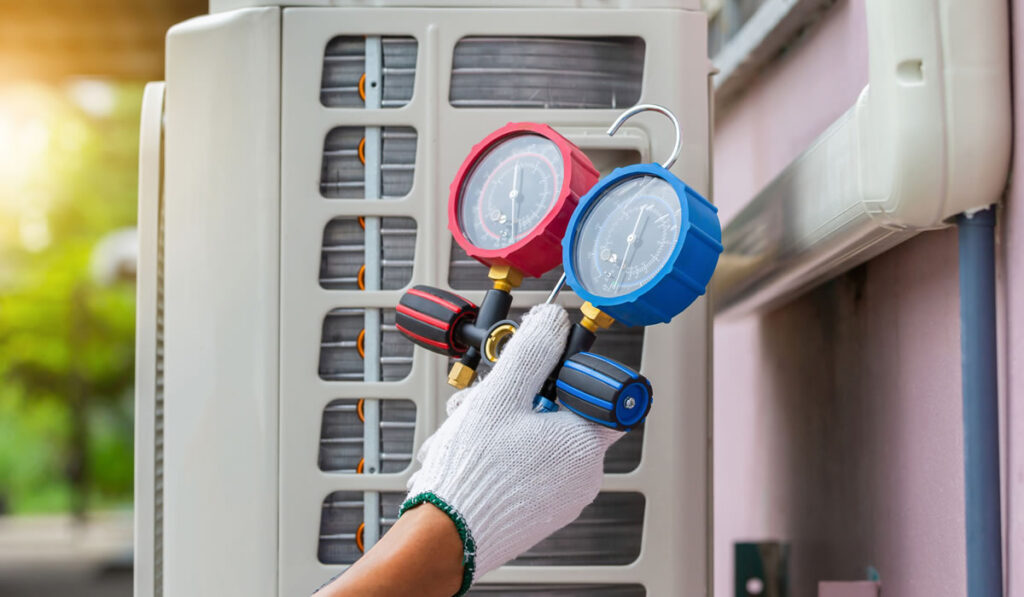
AC Gas Leak Scam: Check These Pressure Levels Before Agreeing To A Refill
Knowing the correct PSI range can help you avoid unnecessary servicing charges this summer
With summer approaching, many households are booking routine air conditioner servicing. And for many, the service visit follows a familiar script: midway through cleaning, the technician says there’s a “gas leak” and recommends an immediate refill.
While genuine gas leaks do occur, consumer complaints suggest that unnecessary refills are sometimes pushed as an upselling tactic. The problem is simple — most homeowners do not know the correct gas pressure levels of their AC, making it difficult to question such claims.

Here’s how the typical scam plays out:

- You book a routine service.
- The technician begins cleaning.
- Midway, you’re told there’s a gas leak.
- A refill is recommended.
- A price is quoted and negotiated.
- The “refill” is done and payment collected.
In some cases, the AC may not have required any gas refill at all.
Why Gas Pressure Matters
Every AC operates within a defined pressure range depending on the refrigerant used. If the pressure readings are within normal limits, there is usually no need for a refill.
Before servicing begins, you can take a simple precaution:
Turn on the AC and ask the technician to check the gas pressure while the unit is running. Compare it with standard “Running Pressure” values.
Then check the pressure again after switching off the AC and compare it with the “Close Pressure” range.
If both readings fall within the expected range, a refill may not be necessary.
Approximate Pressure Ranges For A 1.5-Ton AC
R32
Running Pressure: 130–140 PSI
Close Pressure: 240–280 PSI
R410
Running Pressure: 130–140 PSI
Close Pressure: 240–280 PSI
R22
Running Pressure: 60–65 PSI
Close Pressure: Around 150 PSI
These values are approximate and may vary slightly based on ambient temperature and manufacturer specifications.
How Awareness Helps
Technicians are less likely to suggest unnecessary work when customers understand basic operating parameters. Simply asking for pressure readings and comparing them to standard ranges can discourage dishonest practices.
If a leak is claimed, you can also request visible proof, such as leak detection testing or oil residue signs, before approving a refill.
In many cases, poor cooling may be caused by dirty filters, clogged coils or airflow issues not low gas levels.
Being informed doesn’t mean distrusting every technician. It simply ensures that you pay for what is genuinely required.
Disclaimer: Pressure values are indicative for common residential 1.5-ton AC units. Always refer to your manufacturer’s manual or authorised service centre for exact specifications before making servicing decisions.