Twelve years, big changes: How Modi’s government rewrote India’s tax rules
Twelve years, big changes: How Modi's government rewrote India's tax rules
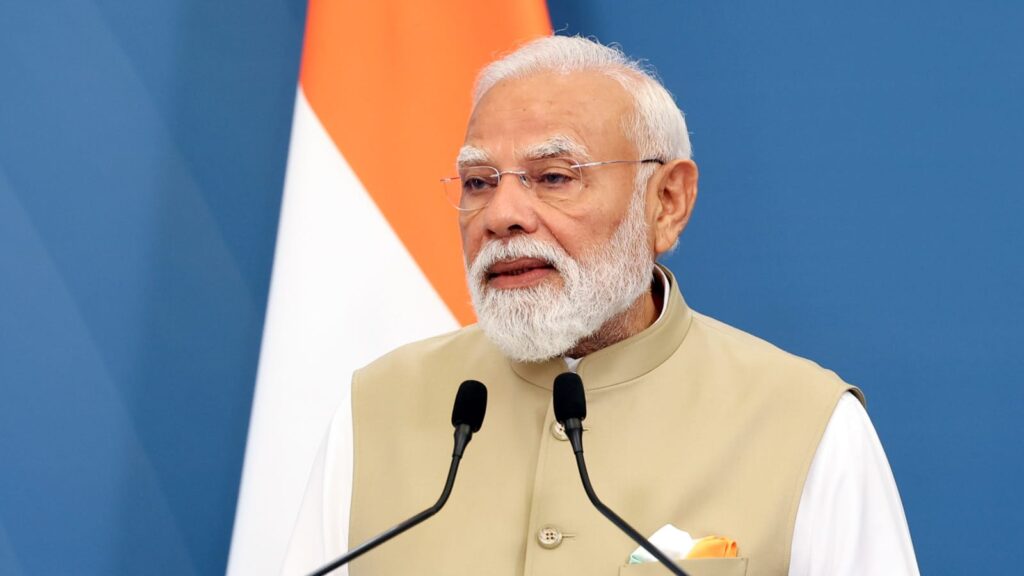
On June 10, 2026, Prime Minister Narendra Modi completed 12 years in office, becoming the longest-serving elected Prime Minister of independent India. Over these years, his government made several big changes in the way taxes work in this country. Common people, salaried workers, small business owners and pensioners have all felt the difference.
One country, one tax
The biggest change came in 2017, when the Goods and Services Tax, or GST, was introduced. Before GST, there were dozens of different taxes at the state and central level. A business had to deal with all of them separately, which was confusing and time-consuming. GST replaced all of that with one single tax system across the country. It became much easier to buy, sell and run a business anywhere in India.


Less tax for salaried people
The government also made big changes to income tax. A new tax regime was introduced which offered lower tax rates. Under this system, people earning up to ₹12 lakh per year do not have to pay any income tax at all. This came as a surprise to many taxpayers and gave real relief to the middle class.
The standard deduction, a fixed amount that is cut from your income before tax is calculated was raised to ₹75,000 under the new regime. Pensioners and salaried employees benefit directly from this.
Simpler rules, less trouble
The old Income Tax Act of 1961 had become very complicated over the decades. The language was difficult, rules were outdated, and many provisions no longer made sense. In 2025, the government passed a new Income Tax Act which came into force on April 1, 2026. The new Act uses plain language and has far fewer complicated sections.
Filing your income tax return has also become easier. The government now provides pre-filled return forms where your salary, interest income and TDS details are already filled in. You just check, correct if needed, and submit.
No more face-to-face with tax officers
One change that reduced a lot of stress for ordinary taxpayers was the Faceless Assessment system. Earlier, if the tax department had a query about your return, you had to visit the tax office and meet an officer in person. This sometimes led to harassment and delays. Under the new system, everything is handled online. A taxpayer and the tax officer never meet directly. This brought more transparency and fairness to the process.
Fix your mistakes later
The government also introduced the Updated Return facility, known as ITR-U. If a taxpayer forgot to mention some income in their original return, they can now voluntarily disclose it later by filing an updated return. This has reduced disputes and helped people correct honest mistakes without fear.
Not everyone agrees that all these reforms have benefited all sections equally. Critics point out that the new tax regime removes popular deductions that many middle-class families relied on, such as those for home loans and insurance. But for millions of small taxpayers and first-time filers, the last twelve years have made the tax system simpler and less frightening than it once was.