Why Floor Plans Now Matter More Than Square Footage In Real Estate
Why Floor Plans Now Matter More Than Square Footage In Real Estate
Changing work patterns and lifestyle needs shift focus from size to smart design
For years, square footage was seen as the ultimate benchmark of success in real estate. Larger office spaces signalled growth and job creation, while expansive homes reflected luxury and status. However, over the last decade, this perception has undergone a major shift.
Today, how space is designed often matters more than how much space is available. Changing aspirations, hybrid work models, employee well-being concerns, and evolving lifestyles are reshaping both commercial and residential property layouts.
Shrinking Office Space, Smarter Design
Industry reports indicate that personal office space per employee has reduced significantly — from around 225 square feet in 2009 to 100–125 square feet in 2016, and nearly 100 square feet at present. At the same time, office leasing of over one lakh square feet accounted for 51% of all office deals in the first half of 2025, highlighting the growing preference for open floor plans.

According to global property consultant JLL’s report, The Future of Office Design, corporates are now allocating nearly half the space per employee compared to 2009. The focus has shifted from cabins and closed offices to open layouts, shared workstations, hot-desking concepts, collaboration zones and focused areas like phone booths.
For companies, this translates into lower real estate costs, better space utilisation, improved employee engagement and the creation of social spaces that encourage collaboration and innovation. Modern workplaces are no longer just execution hubs but environments designed to nurture ideas and build community.
Residential Layouts Evolve
The residential segment is witnessing a similar transformation. With over 3.8 lakh housing units launched last year, developers are experimenting with innovative floor plans to differentiate their offerings and create a sense of luxury — even within compact sizes.
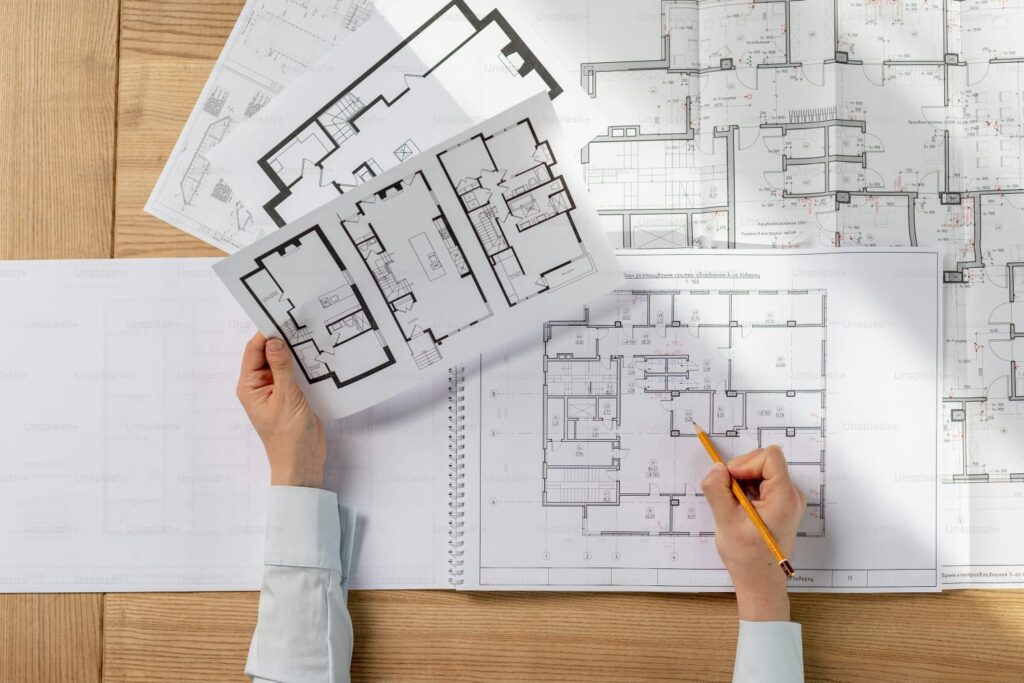
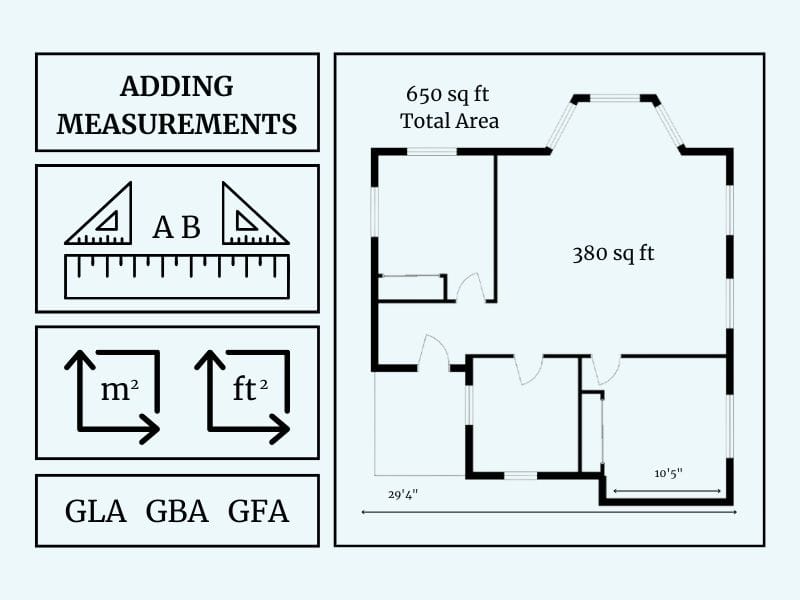
A floor plan defines how rooms are arranged, how spaces connect, and how movement flows within a home. It determines how comfortably people can live, work and relax. Two homes of the same size can feel entirely different depending on how intelligently the layout is designed.
Why Layout Matters More Than Size
Efficient Use of Space
A well-planned layout eliminates wasted corners and awkward walls. Even smaller homes can feel spacious and organised when designed thoughtfully.
Better Flow and Movement
Smart layouts ensure natural connectivity between the kitchen, dining and living areas, while also reducing unnecessary walking distances and noise disturbances.
Balance Between Privacy and Togetherness
Modern homes aim to provide open social spaces while maintaining quiet zones for work or rest, especially in the era of work-from-home and hybrid routines.
Natural Light and Ventilation
Good floor planning ensures optimal placement of windows and open areas, bringing in sunlight and fresh air. This not only enhances comfort but also improves energy efficiency and overall well-being.
What Homebuyers Should Consider
Experts suggest that buyers should not be swayed by square footage alone. Instead, they should examine how effectively the space is used, how rooms connect, and whether the layout supports their daily routine.
Checking for adequate natural light, ventilation and long-term adaptability is equally important. A home that can adjust to changing family needs or lifestyle shifts offers greater long-term value.
As work culture and living patterns continue to evolve, the emphasis in real estate is steadily moving from “how big” to “how well designed.” In today’s market, intelligent floor planning is emerging as the true measure of value.
Disclaimer: This article is for informational purposes only and does not constitute financial or investment advice. Buyers should conduct independent due diligence before making property decisions.