Iran–Israel War Anxiety: How To Stay Emotionally Strong During Uncertain Times

Iran–Israel War Anxiety: How To Stay Emotionally Strong During Uncertain Times
Constant exposure to war news can increase stress, anxiety and emotional fatigue. Experts suggest simple yet effective ways to stay mentally balanced and resilient.
The ongoing tensions between Iran and Israel have not only raised global concerns about safety and stability but have also significantly impacted mental health. Even people far from conflict zones are experiencing anxiety due to continuous exposure to disturbing news and uncertainty about the future.
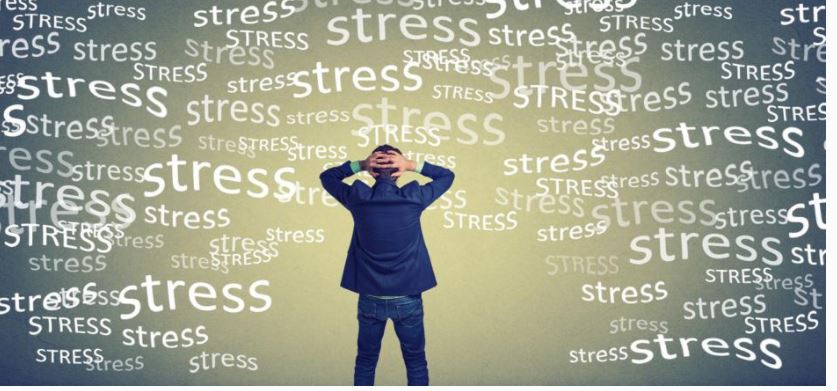
Experts say such reactions are natural. When the brain perceives ongoing uncertainty or danger, it triggers a stress response, leading to restlessness, overthinking, sleep disturbances and constant worry.
Why War News Increases Anxiety
Continuous exposure to war-related news keeps the mind in a state of alert.

Repeated updates, visuals and headlines can activate fear responses in the brain again and again, making it difficult to relax. Over time, this can lead to emotional exhaustion and reduced ability to focus on daily tasks.
Limit News Consumption
One of the most effective ways to manage anxiety is to reduce constant exposure to news.
Instead of checking updates throughout the day, set specific times to stay informed. This helps the mind stay updated without being overwhelmed.
Maintain Daily Routine
Sticking to a routine helps bring a sense of normalcy and control.
Simple activities like work, exercise, cooking or hobbies signal to the brain that life is stable, which helps reduce stress levels.
Practice Meditation And Breathing
Techniques like meditation, pranayama and deep breathing can calm the nervous system.
These practices help reduce anxiety, improve focus and bring emotional balance.
Stay Connected With Loved Ones
Talking to family and friends about your feelings can reduce emotional burden.
Human connection plays a key role in calming the mind and preventing feelings of isolation.
Limit Children’s Exposure To Stress
Children are highly sensitive to emotional environments.
It is important to keep them away from distressing news, maintain routines and explain situations in a calm and simple way to reduce fear.
Focus On What You Can Control
Instead of worrying about uncertain outcomes, focus on small, manageable actions in daily life.
This helps reduce feelings of helplessness and builds a sense of control.
Seek Professional Help If Needed
If anxiety becomes persistent and starts affecting sleep, mood or daily functioning, consulting a mental health professional can be helpful. Early support can prevent long-term emotional distress.
Disclaimer: This article is for general awareness. If you experience persistent anxiety or mental health concerns, consult a qualified healthcare professional.