Gudi Padwa 2026: Why Do People Eat Neem Leaves on the First Day of the Hindu New Year?
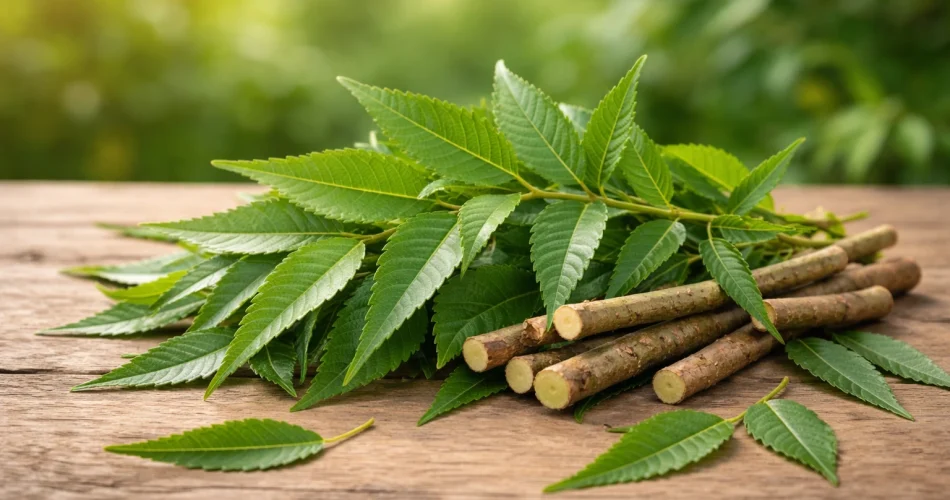
Gudi Padwa 2026: Why Do People Eat Neem Leaves on the First Day of the Hindu New Year?
When a festival arrives in Indian homes, sweetness naturally becomes a part of the celebration. From Diwali to Holi and even during the arrival of Lord Ganesh, families prepare delicious desserts and share joyful meals together. Traditional festive menus often include delicacies like shrikhand-puri or puran poli, bringing loved ones together to celebrate with happiness and warmth.
Gudi Padwa, which marks the beginning of the Hindu New Year, is one such vibrant festival celebrated especially in Maharashtra. It symbolizes a fresh start, renewed hope, and the promise of a prosperous year ahead. With so much positivity surrounding the day, many people wonder about a unique tradition connected to this festival—why do people begin the new year by eating something bitter like neem leaves along with sweet offerings?
The answer lies in a thoughtful blend of philosophy, health wisdom, and cultural symbolism that has been passed down through generations.

The Meaning Behind the Bitter Taste
The tradition of eating neem leaves on Gudi Padwa reflects an important lesson about life. Life is rarely filled with only happiness or only hardships. Just as sweetness represents joyful moments, bitterness symbolizes challenges and struggles.
By tasting neem on the very first day of the year, people remind themselves to accept every experience the coming year may bring. It serves as a symbolic message that both good and difficult moments are part of life’s journey. This small ritual encourages individuals to remain mentally strong and balanced while facing the ups and downs that the year may present.
A Tradition Rooted in Ayurveda
Beyond symbolism, the practice also has a strong connection with Ayurveda and seasonal health.
Gudi Padwa falls during the spring season, a time when the cold winter begins to fade and temperatures gradually rise. During winter, the body tends to accumulate certain toxins and imbalances. Neem, known for its powerful medicinal properties, helps cleanse the body naturally.
Consuming tender neem leaves on an empty stomach is believed to purify the blood and improve overall health. Seasonal transitions often bring issues such as fever, skin problems, or digestive discomfort. Neem’s antibacterial and antiviral qualities help strengthen the body’s defenses and reduce the chances of such infections.
Astrological Significance of the New Year 2026
The Hindu New Year beginning in 2026 corresponds to Vikram Samvat 2083. According to traditional astrology, the planet associated with the weekday on which the year begins is considered the “king” of that year.
Since this year starts on Thursday, the ruling planet is Jupiter (Guru). In astrological beliefs, Jupiter symbolizes wisdom, knowledge, and spiritual growth. Because of this, the year is regarded as favorable for learning, education, and intellectual progress.
The role of the “minister” for the year is assigned to Mars (Mangal), the planetary commander. Mars is often associated with energy, courage, and action, adding another dynamic element to the year’s astrological outlook.
How Neem Is Traditionally Consumed
Instead of simply chewing raw leaves, many households in Maharashtra prepare a small mixture using tender neem leaves along with jaggery, cumin seeds, ajwain, and a pinch of salt. This combination is often shaped into small portions and eaten as a symbolic offering.
Each ingredient carries meaning. Jaggery represents happiness and sweetness in life, while neem signifies life’s challenges. Together, they reflect the idea that joy and struggle coexist. From a health perspective, this mixture is also beneficial for digestion and may help reduce acidity or Pitta-related issues in the body.
The tradition of eating neem on Gudi Padwa may seem simple, but it holds deep cultural wisdom. It encourages people to welcome the new year with acceptance, resilience, and awareness of both life’s sweetness and its occasional bitterness. As families gather to celebrate the festival with festive meals and joyful rituals, that small bitter bite taken before the sweets serves as a meaningful reminder—every new beginning brings both opportunities and challenges, and embracing them with strength is the true spirit of the new year.