Woman Keeps ₹15 Lakh Withdrawn from Bank at Home, Later Deposits It — Faces Tax Scrutiny, ITAT Intervenes
Woman Keeps ₹15 Lakh Withdrawn from Bank at Home, Later Deposits It — Faces Tax Scrutiny, ITAT Intervenes
In a key ruling, the Income Tax Appellate Tribunal said tax additions cannot be made only on assumptions about how a person should manage money, especially when bank records support the source of cash.
In a decision that could matter to many taxpayers, the Income Tax Appellate Tribunal (ITAT) has ruled that depositing previously withdrawn cash into a bank account cannot automatically be treated as unexplained income.
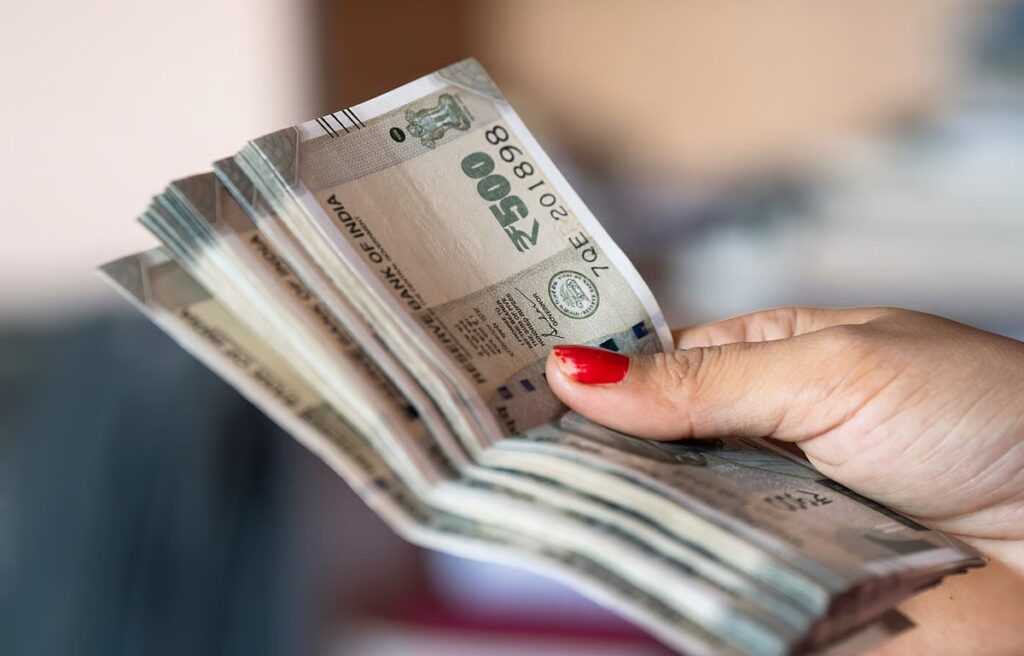
The case involved a woman taxpayer who had withdrawn ₹15 lakh from her bank over time before the 2016 demonetisation period. Later, during the demonetisation window, she deposited the same money back into her bank account.
This raised questions from the tax department, which treated the deposit as suspicious and asked her to explain the source of funds.

The taxpayer stated that the money deposited was not fresh or hidden income, but cash earlier withdrawn from her own bank account and kept at home. Bank statements reportedly showed the earlier withdrawals.
However, the assessing officer rejected the explanation. The officer argued that no sensible person would keep such a large amount of cash at home for a long time instead of investing it, spending it, or earning interest on it. Based on this reasoning, the amount was treated as unexplained income.
The matter later reached the ITAT, which disagreed with the tax officer’s approach.
The tribunal said that earlier withdrawals were clearly recorded in bank documents and there was no evidence showing the money had been spent elsewhere. It held that an explanation cannot be rejected only because it appears unusual or unlikely.
According to the tribunal, tax decisions must be based on facts and evidence, not personal assumptions about how a person should behave financially.
The ruling is significant because many deposits made during demonetisation were flagged for scrutiny. In several cases, taxpayers claimed that deposited cash came from past withdrawals.
This order reinforces that suspicion alone is not enough for tax additions if the taxpayer can show a clear trail of funds.
Experts note that ITAT rulings can still be challenged in higher courts, so future legal developments remain possible. Still, the decision offers important guidance on how evidence should be weighed in tax disputes.
For ordinary taxpayers, the message is clear: if cash deposits are backed by genuine records, authorities must rely on proof rather than assumptions.
Disclaimer: Tax matters depend on individual facts and applicable law. Readers should consult a qualified tax professional before making decisions.