‘Our Lives Are Easier Yet We Still Complain’: Woman’s Chat With Roadside Juice Seller Sparks Reflection
‘Our Lives Are Easier Yet We Still Complain’: Woman’s Chat With Roadside Juice Seller Sparks Reflection
An ordinary purchase turned into an eye-opening moment when a woman’s brief chat with a roadside juice vendor revealed the hidden realities behind his daily grind. What seemed like a routine exchange soon unfolded into a deeper understanding of income, effort, and how easily comfort can shape one’s perspective.
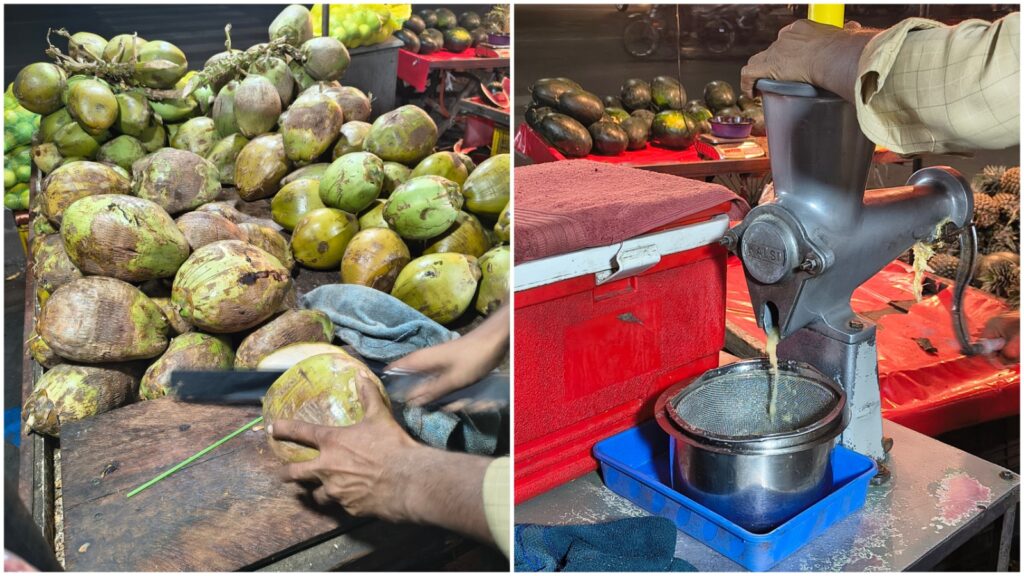
Nalini Unagar, a resident of Surat, shared this experience on social media, explaining how her regular visits to a local vendor for orange juice and coconuts gradually led to a more meaningful conversation. Curious about his work, she asked about his daily sales and earnings—answers that left a lasting impression.
The vendor explained that he typically sells around 60 glasses of orange juice each day at ₹35 per glass, generating ₹2,100. On top of that, he sells about 25 coconuts daily at ₹60 each, adding another ₹1,500. This brings his total daily revenue to approximately ₹3,600. However, as Nalini pointed out, revenue doesn’t equal profit.

After accounting for the cost of raw materials, transportation, and other daily expenses, his profit margin stands at roughly 30 percent. That leaves him with around ₹1,080 per day. If he were to work every single day of the month, his earnings would total about ₹32,400. But even that figure doesn’t reflect the full picture.
He pays ₹6,000 monthly just to rent the space where he sets up his stall. Once that is deducted, his income drops to about ₹26,400—and that too assumes he works all 30 days, which is rarely the case.
His routine is equally demanding. The vendor starts his day at 6 am, working until 1 pm, then returns for a second shift from 5 pm to 10 pm. This adds up to nearly 12 hours of work daily, most of it spent standing, serving customers, and handling supplies. Despite such long hours, his actual monthly earnings usually fall between ₹20,000 and ₹22,000.
From this modest income, he supports his entire family—his wife and two children. Expenses such as rent, school fees, and daily household needs leave little room for savings or unexpected situations. One detail that stood out to Nalini was how customers often hesitate to pay ₹35 for a glass of juice, without realising how little of that amount actually becomes the vendor’s income.
Reflecting on the interaction, she acknowledged how people living relatively comfortable lives often complain, sometimes overlooking the effort and challenges faced by those working tirelessly for far less.
Her post quickly gained attention online, sparking a wave of reactions. Many people saw it as a powerful reminder of the struggles behind small roadside businesses, where long hours and slim margins are the norm. Others took a closer look at the numbers, suggesting that factors like seasonal demand, fluctuating costs, and rent could reduce earnings even further—especially after peak summer months.
At the same time, some users questioned the accuracy of the calculations. A few argued that the prices of oranges and coconuts might not be entirely realistic, while others claimed that vendors in busy or high-demand areas can earn significantly more—sometimes even reaching ₹2.5 lakh or higher monthly incomes. Examples were shared of stalls near hospitals or crowded locations that benefit from steady customer flow.
What began as a simple story soon evolved into a broader debate about perception versus reality. While opinions varied, the conversation highlighted an important truth—understanding someone else’s struggle often requires looking beyond surface assumptions