Zero Electricity Bills And Extra Income: How Solar Is Turning Homes Into Power Generators In India
Zero Electricity Bills And Extra Income: How Solar Is Turning Homes Into Power Generators In India
From cities to villages, rooftop solar adoption surges as subsidies, savings and a ‘neighbour effect’ drive India’s clean energy shift
Across India, a quiet energy revolution is unfolding on rooftops. What started as a cost-saving option is now becoming a trend, with households increasingly installing solar panels not just to cut electricity bills but also to earn by selling surplus power.
The shift has been driven by a mix of government subsidies, rising electricity costs and a surprisingly strong social factor, people seeing their neighbours benefit and deciding to follow. In many areas, once one house installs solar panels, others quickly adopt the same, creating a chain reaction that is accelerating adoption faster than official campaigns.

Under the PM Surya Ghar: Muft Bijli Yojana launched in 2024, households receive significant financial support for installing rooftop solar systems. Subsidies can go up to Rs 78,000 for residential systems, with additional state-level support in some regions. This has reduced the upfront burden, making solar more accessible to middle-class families.

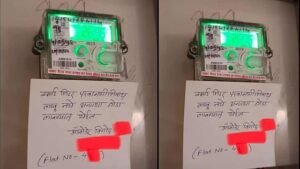
The financial impact is already visible. Many households that earlier struggled with high summer electricity bills are now reporting reductions of 40–50% or more. In some cases, homes are generating enough electricity to completely eliminate their bills. During periods of lower consumption, excess power is fed back into the grid, allowing users to earn credits or income.
India’s solar growth reflects this rapid adoption. By 2025, rooftop solar installations expanded from around one lakh homes in 2016 to nearly 30 lakh households. The country also crossed a major milestone, producing over 1,08,000 GWh of solar energy and becoming the world’s third-largest solar power generator. Solar now contributes a growing share to the nation’s total electricity supply.
The transformation is even more striking in rural India. In Maharashtra’s Satara district, villages like Manyachiwadi have gone fully solar, with residents reporting zero electricity bills for years. Homes store excess energy for use during monsoon months when sunlight is limited. In places like Shelakewadi, community-led efforts, including door-to-door awareness and shared investment, have turned entire villages energy self-sufficient.
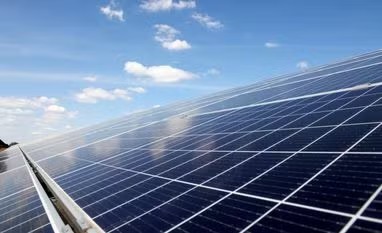
Urban areas are witnessing a similar trend, with solar panels becoming a common sight on rooftops. The process has also become more streamlined, with online applications, empanelled vendors and direct subsidy transfers into bank accounts after installation and verification.
Despite some early challenges such as vendor delays and technical approvals, the overall momentum remains strong. With energy demand rising and electricity costs continuing to climb, rooftop solar is emerging as both a practical and future-ready solution.
What makes this shift unique is that it is not just policy-driven but socially reinforced. One household’s savings are inspiring entire neighbourhoods to follow, turning solar power into a movement that is as much about economics as it is about influence.
Disclaimer: Savings and benefits may vary depending on location, system size and electricity usage. Users should evaluate costs and consult authorised vendors before installation.