Why Your AC Temperature Does Not Go Below 16°C: Experts Explain the Science Behind It
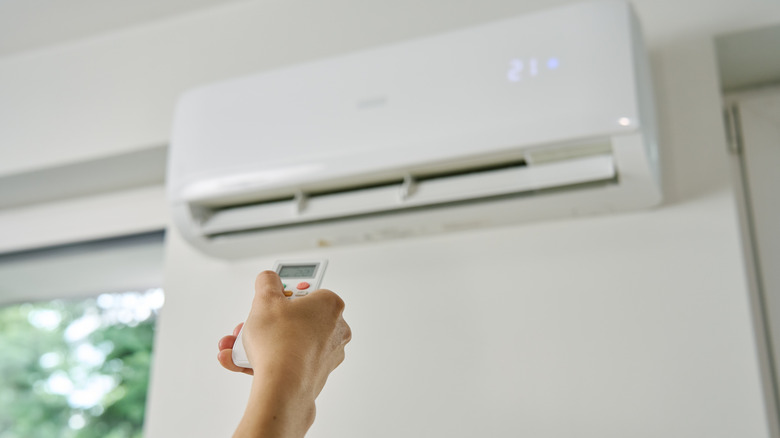
Why Your AC Temperature Does Not Go Below 16°C: Experts Explain the Science Behind It
Ever wondered why ACs cannot cool below 16°C? Experts explain the scientific, technical and health reasons behind the temperature limit and why 24°C is considered ideal for summer.
As summer temperatures soar across India, air conditioners have become an essential part of daily life. Many people return home from the heat and immediately lower the AC temperature to 16 degrees Celsius, believing it will cool the room faster. However, experts say there are important scientific, technical and health-related reasons why most air conditioners are not designed to operate below 16°C.
According to cooling industry experts, the temperature limit is not set randomly by manufacturers but is based on human comfort, machine safety, energy efficiency and environmental concerns.

Human Comfort and Health Concerns
Studies by the American Society of Heating, Refrigerating and Air-Conditioning Engineers (ASHRAE) suggest that temperatures between 22°C and 26°C are considered most comfortable for the human body.

Experts warn that extremely low indoor temperatures can negatively affect health. If room temperatures drop significantly below 16°C, it may increase the risk of conditions such as hypothermia, joint pain, dry skin and respiratory discomfort. Manufacturers therefore avoid allowing lower settings to protect users from excessive cooling exposure.
Risk of Evaporator Coil Freezing
Air conditioners function by pulling warm air from the room and passing it over evaporator coils that cool the air before circulating it back indoors.
According to refrigeration specialists and the Bureau of Energy Efficiency (BEE), moisture present in the air condenses on these coils during the cooling process. If the AC is forced to operate below 16°C, water droplets on the coils may freeze and form ice.
Once ice builds up on the evaporator coils, airflow reduces significantly, cooling performance drops and the compressor experiences excessive strain. In severe cases, this can damage the compressor permanently.
Compressor Limitations and Climate Conditions
Experts also explain that air conditioners are designed to maintain a practical temperature difference between outdoor and indoor conditions.
For example, if outside temperatures are around 40°C, an AC can comfortably cool a room to around 20°C to 24°C. Bringing the temperature much lower than that places continuous pressure on the compressor.
Under Indian energy efficiency guidelines, AC manufacturers are also encouraged to keep default temperature settings around 24°C to promote efficient electricity usage and sustainable cooling practices.
If the temperature is set too low, the compressor may continue running without reaching a cut-off stage, increasing the risk of overheating and equipment failure.
Higher Electricity Consumption
According to India’s Ministry of Power, increasing the AC temperature by just 1°C can reduce electricity consumption by nearly 6%.
Experts say that if ACs allowed settings of 10°C or 12°C, compressors would run continuously for long durations, sharply increasing power consumption and household electricity bills. This would also contribute to higher carbon emissions and greater environmental impact.
Experts Recommend 24°C for Daily Use
Cooling professionals say the ideal way to maintain an AC is to operate it at moderate temperatures instead of constantly using the lowest setting.
They recommend setting the AC around 24°C during summer for better cooling efficiency, lower electricity bills and longer machine life.
Disclaimer:
This article is based on publicly available expert opinions, energy efficiency guidelines and general technical explanations related to air conditioner functioning. Cooling performance may vary depending on AC model, room size, maintenance condition and environmental factors. Readers are advised to consult authorised service professionals for specific technical issues or repairs.