Encroachments On Temple Lands To Face Stricter Action; Maharashtra Orders Fresh Review Of Proposed Law
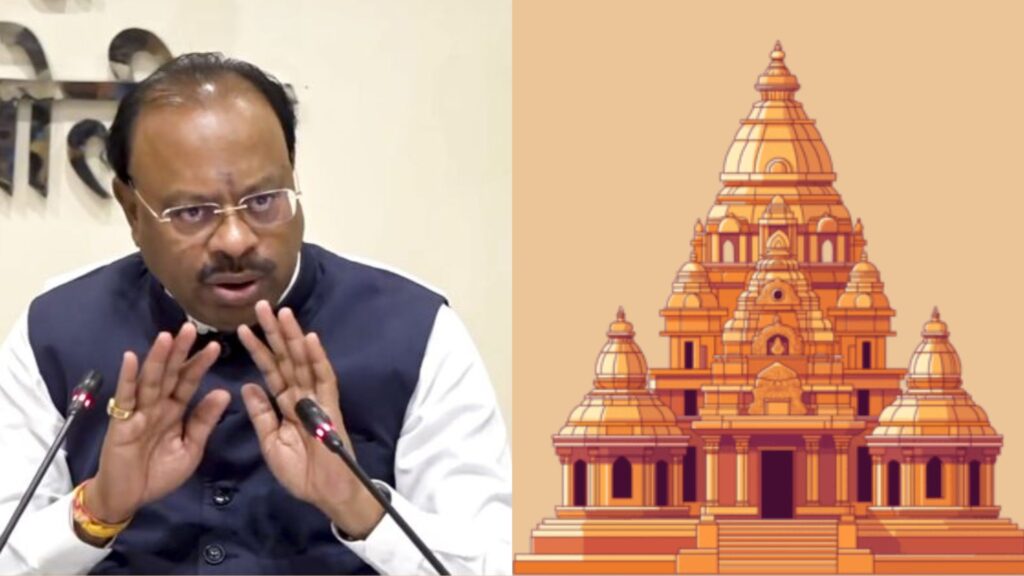
Encroachments On Temple Lands To Face Stricter Action; Maharashtra Orders Fresh Review Of Proposed Law ( Representative Image)
Mumbai, June 8, 2026: In a significant move aimed at protecting temple properties across Maharashtra, Revenue Minister Chandrashekhar Bawankule has announced the formation of a high-level committee to revise the draft of the Maharashtra Devasthan Inam Abolition Act, 2026. The committee will be chaired by Additional Chief Secretary (Revenue) Vikas Kharge.
The state government has decided to temporarily put the existing draft of the proposed legislation on hold following a large number of objections and concerns raised by citizens and temple authorities. The revised draft will be prepared after considering stakeholder feedback and suggestions.
Citizens and Devasthan trusts will be able to submit their objections and recommendations on the revised draft at District Collector offices until September 15, 2026. After completing the consultation process, the government plans to present the final legislation during the December 2026 session of the Maharashtra Legislature. Bawankule expressed confidence that the new law would strengthen temple institutions while safeguarding their rights and interests.

The government received substantial objections to the draft law during the public consultation period between May 6 and June 5, 2026. To address the concerns and remove confusion among various stakeholders, the state has decided to suspend the current draft and undertake a comprehensive review.
According to the Revenue Minister, Maharashtra has approximately 550,000 hectares of Devasthan Inam land. Many of these lands, originally granted to temples since the era of Chhatrapati Shivaji Maharaj, are currently under encroachment by influential individuals and groups.
Bawankule noted that temple committees often lack the authority and resources to remove such encroachments on their own. The government intends to introduce stringent legal provisions for temple lands, similar to those available for the removal of encroachments from Waqf properties. He added that the revised law would also include special provisions to address cases involving lands that have been under occupation for 100–200 years or where complex legal disputes exist, ensuring a balanced and fair resolution for all parties involved.