Pune News: Maharashtra To Lead In Semiconductors, Data Centres And Electronics, Says Fadnavis
Pune News: Maharashtra To Lead In Semiconductors, Data Centres And Electronics, Says Fadnavis
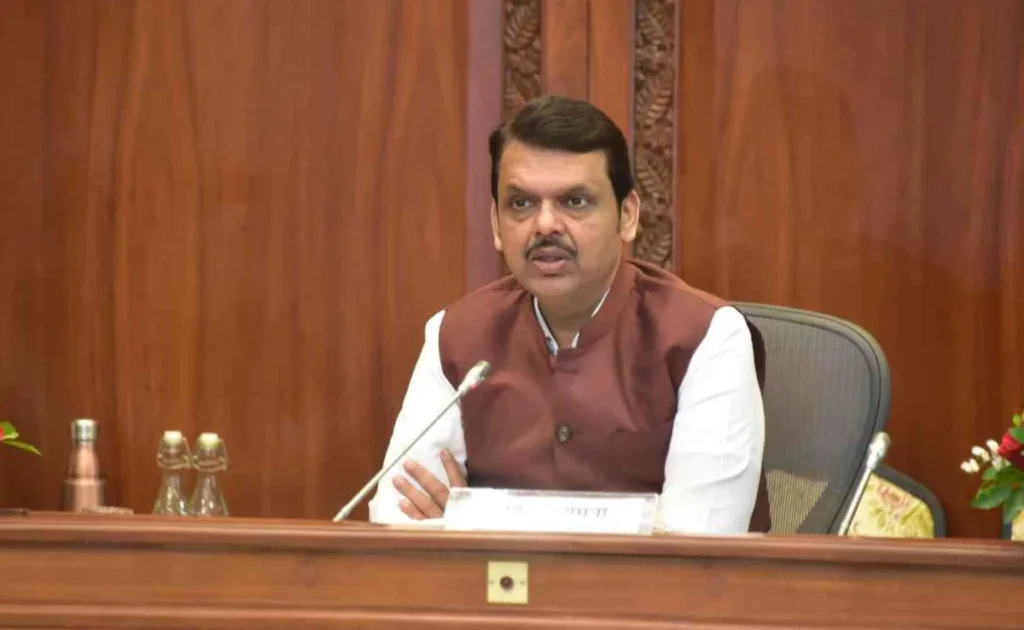
Pune, June 17, 2026: Maharashtra Chief Minister Devendra Fadnavis on Wednesday said the proposed Mumbai–Pune Bullet Train will reduce travel time between the two cities to just 48 minutes, helping transform Mumbai and Pune into an integrated economic region. He also outlined the state government’s vision of positioning Maharashtra as a key hub in the global supply chain through enhanced logistics and industrial infrastructure.
Fadnavis was speaking at the inauguration of the advanced manufacturing expansion facility of Jabil at the Ranjangaon Industrial Area near Pune. Union Minister for Railways, Information & Broadcasting, and Electronics & Information Technology Ashwini Vaishnaw, legislators Dilip Walse Patil and Dnyaneshwar Katke, senior government officials and company executives were present on the occasion.

Highlighting Maharashtra’s growing industrial strength, the Chief Minister said the state is emerging as India’s leading data centre hub, with nearly 60 per cent of the country’s data centre capacity being developed in Maharashtra. He said the government is committed to building a complete ecosystem for data centres, deep-tech industries, electronics manufacturing and semiconductor production.

Fadnavis noted that Maharashtra has achieved a leading position in electronics exports and said the electronics clusters sanctioned by the Central Government would further accelerate industrial growth. He also revealed that a proposal had been presented to the Union Government to connect Jawaharlal Nehru Port (JNPT) and the upcoming Vadhvan Port through a dedicated freight rail corridor running alongside the Samruddhi Mahamarg.
The proposed corridor will link key logistics hubs, including the dry ports at Jalna and Wardha, and extend to Gadchiroli. According to Fadnavis, the project could reduce logistics costs by 7 to 8 per cent and significantly strengthen Maharashtra’s role in the global supply chain.
He said Maharashtra contributes nearly 14 per cent to India’s Gross Domestic Product and accounts for around 20 per cent of the country’s exports, underlining the state’s importance in the national economy.
Referring to Jabil’s new facility, Fadnavis said the project reflects India’s growing capabilities in advanced manufacturing, precision engineering and electronics production. He added that after achieving self-reliance in mobile phone manufacturing, India is now making rapid progress in semiconductor and chip manufacturing.
The Chief Minister assured industry leaders that the state government views industries as partners in development and will continue to provide all necessary support to improve ease of doing business. He also announced that the government would consider setting up a dedicated MSEDCL divisional office in the Ranjangaon industrial belt and strengthening policing in the area to ensure a secure environment for industrial growth.
Union Minister Ashwini Vaishnaw praised Jabil’s Pune facility and reiterated the Centre’s commitment to making India a trusted global electronics manufacturing destination. He credited land reforms and swift decision-making by the Maharashtra Government for boosting industrial investments.
Vaishnaw said India’s electronics manufacturing sector has grown to nearly ₹13 lakh crore under the leadership of Prime Minister Narendra Modi, making electronics the country’s third-largest export category. He emphasized the importance of quality, skill development and high-precision manufacturing in achieving global leadership in electronics exports.
The Union Minister also highlighted the rapid expansion of railway infrastructure in Maharashtra. He stated that the Mumbai–Pune Bullet Train would reduce travel time between the two cities to 48 minutes, while the proposed Pune–Hyderabad high-speed connection could cut travel time to approximately 2 hours and 8 minutes.
Jabil India Managing Director B.N. Shukla said the company’s manufacturing footprint in India has expanded from 500,000 square feet to 1.2 million square feet over the past year. During the same period, the workforce has grown from around 5,000 employees to nearly 11,000.
Jabil Executive Vice President (Operations) Andy Priestley said the new facility would bring together skilled talent and advanced engineering capabilities, enabling faster production of high-quality products and supporting the company’s future growth plans in India.