Why National Highways Are Not Fully Lit At Night, NHAI Explains
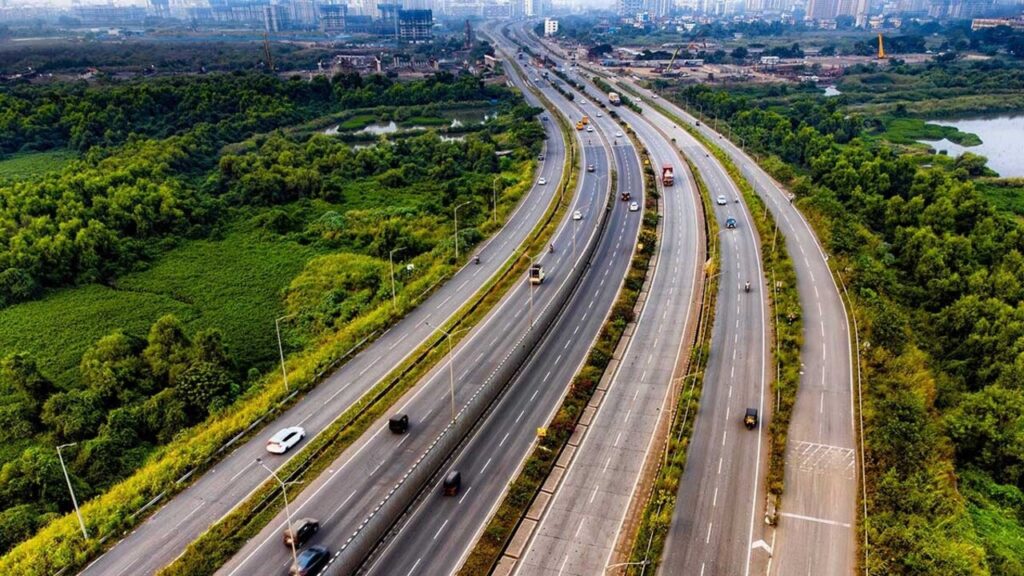
Why National Highways Are Not Fully Lit At Night, NHAI Explains
Many drivers wonder why some stretches of national highways are brightly lit while others remain dark. NHAI has clarified that lighting is installed only in specific locations based on safety requirements and technical guidelines.
By Vidhi Lalla
Motorists travelling on national highways at night often notice a striking contrast. Some sections are illuminated with rows of street lights, while long stretches remain completely dark. This has led to a common question among road users: if toll is collected on highways, why are street lights not installed throughout the entire route?

The National Highways Authority of India (NHAI) has now clarified that continuous lighting along the entire length of a national highway is neither mandatory under existing norms nor practically feasible.

According to NHAI, highway lighting is planned as per technical standards laid down by the Indian Roads Congress (IRC), the body responsible for road design and infrastructure guidelines in India. The objective is to provide lighting where it is most needed for safety rather than illuminating every kilometre of a highway.
Under these guidelines, street lights are mandatory in locations considered high-risk or high-activity zones. These include toll plazas, major intersections, interchanges, flyovers, underpasses, built-up urban and semi-urban stretches, bus bays, truck lay-bys and accident-prone areas with heavy traffic movement.
NHAI said that installing lights across thousands of kilometres of highways would significantly increase electricity consumption, maintenance costs and operational expenses. Authorities also pointed out that large-scale lighting could have environmental impacts, including increased energy use and disturbance to wildlife habitats in certain regions.
Instead of continuous lighting, modern highways rely on a combination of safety features designed to help drivers navigate safely at night. These include reflective road signs, luminous lane markings and cat’s-eye reflectors embedded in the road surface. When illuminated by vehicle headlights, these features provide guidance and improve visibility.
Road safety experts say that headlights, reflective markings and properly maintained signage play a critical role in ensuring safe night travel. These systems are designed to alert drivers to curves, exits, lane boundaries and potential hazards even in areas without street lights.
NHAI emphasised that the focus remains on lighting accident-prone and high-traffic locations where visibility is crucial, while using reflective infrastructure to maintain safety on other stretches.
For motorists, authorities advise driving within speed limits, keeping headlights properly aligned and remaining alert while travelling on dark highway sections, especially during adverse weather conditions.
FAQs
Why are there no street lights on the entire national highway?
NHAI says continuous lighting is not mandatory under current guidelines and would be expensive to install, operate and maintain across thousands of kilometres.
Where are street lights compulsory on highways?
Street lights are required at toll plazas, interchanges, major junctions, flyovers, underpasses, urban stretches, bus bays, truck lay-bys and accident-prone locations.
Who decides where highway lighting should be installed?
The placement of highway lighting is based on standards issued by the Indian Roads Congress (IRC) and implemented by NHAI.
How is night travel kept safe in unlit highway sections?
Safety is supported through reflective signboards, lane markings, cat’s-eye reflectors, road studs and vehicle headlights.
Does toll collection mean highways must be fully illuminated?
No. NHAI has clarified that there is no rule requiring continuous lighting throughout the entire highway network.
Does continuous highway lighting affect the environment?
According to NHAI, large-scale lighting would increase electricity consumption, maintenance requirements and environmental impact, including possible disturbance to wildlife.
What should drivers do when travelling on dark highway stretches?
Drivers should use properly functioning headlights, follow speed limits, maintain safe distance from other vehicles and stay alert to reflective road signs and markings.