5 Unique Facts About The Glorious City Pune That Most People Don’t Know
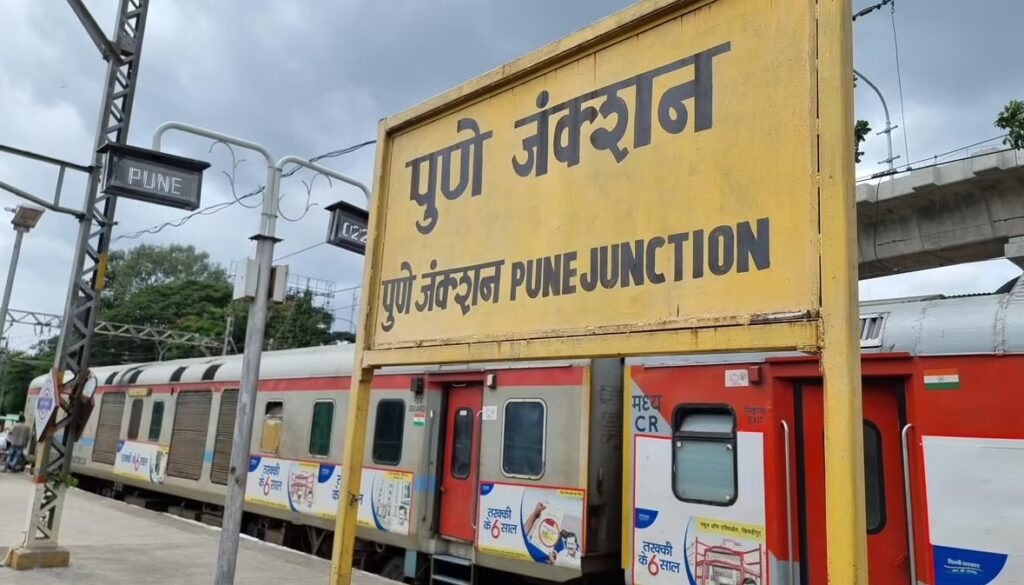
5 Unique Facts About The Glorious City Pune That Most People Don't Know
From a 1,200-year-old cave temple to a biscuit that made a city famous, Pune’s history runs far deeper than its IT parks and colleges
By Vidhi Lalla
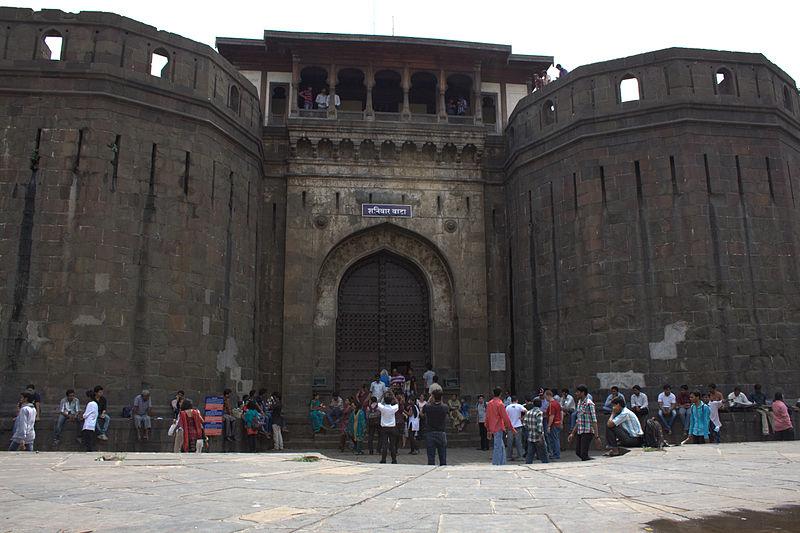
Pune: Pune is one of those cities that people think they know well. They know Shaniwar Wada. They know the universities. They know the traffic. But scratch a little deeper and Pune reveals a history that is layered, surprising, and genuinely unlike any other city in India. Here are five unique things about Pune that deserve far more attention than they usually get.

A Living Temple Carved From a Single Rock, 1,200 Years Ago
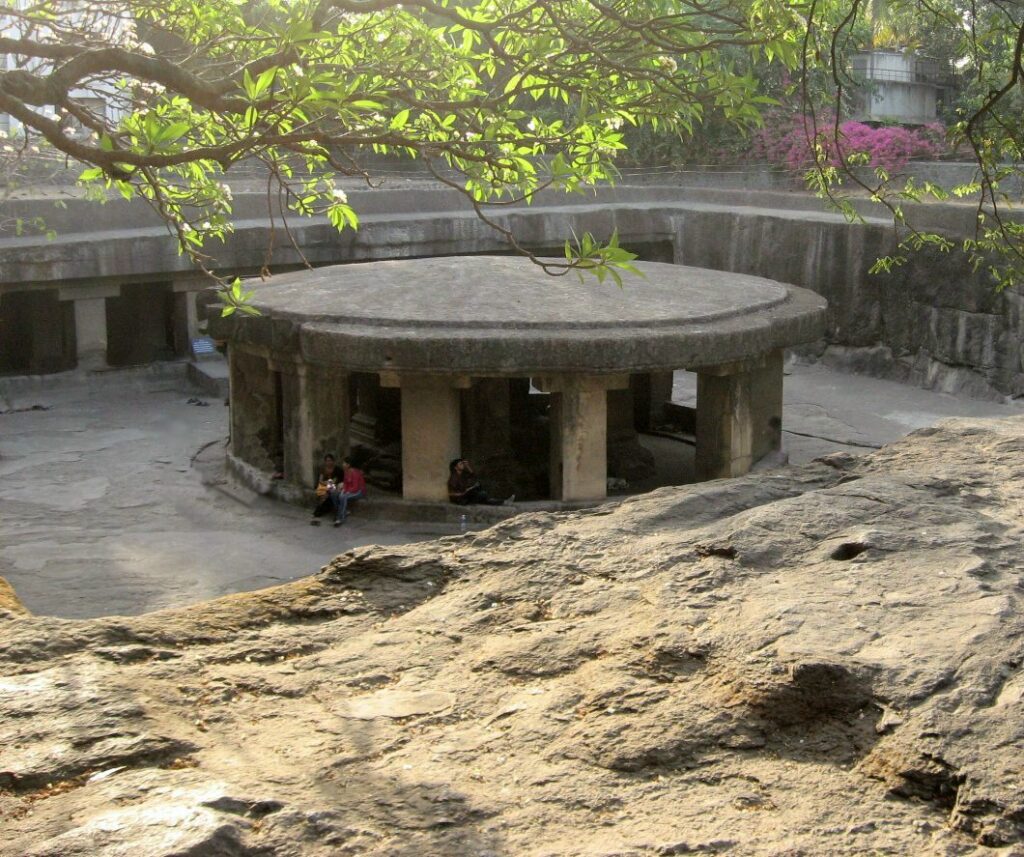
Right in the middle of one of Pune’s busiest roads, Jangali Maharaj Road, sits a temple that most people drive past without a second glance. The Pataleshwar Cave Temple, also known as the Panchaleshwar Temple, was carved entirely from a single basalt rock during the Rashtrakuta dynasty in the 8th century CE, making it well over 1,200 years old and one of the oldest surviving structures in the city.

What makes it genuinely remarkable is not just its age but its method. Every pillar, every corridor, every sanctum was not built upward from the ground but carved downward and inward from a solid rocky hillock, working entirely by hand. The temple features a notable circular Nandi mandapa and a large pillared mandapa, and bears a strong similarity to the rock-cut architecture found in the Ellora and Elephanta Caves, both of which were products of the same Rashtrakuta period.
The temple was left incomplete, possibly because of a fault line discovered at the back of the sanctum, which made further carving unsafe, or because of political upheaval resulting in loss of royal patronage. That unfinished quality is part of what makes it so fascinating today: visitors can actually see where the ancient craftsmen stopped mid-work, a rare window into how these structures were built.
The Archaeological Survey of India now protects the site, and despite sitting at the heart of a modern city, it remains an active place of worship, drawing devotees every morning.
The Third Oldest Engineering College in Asia, Founded Before India Had Universities
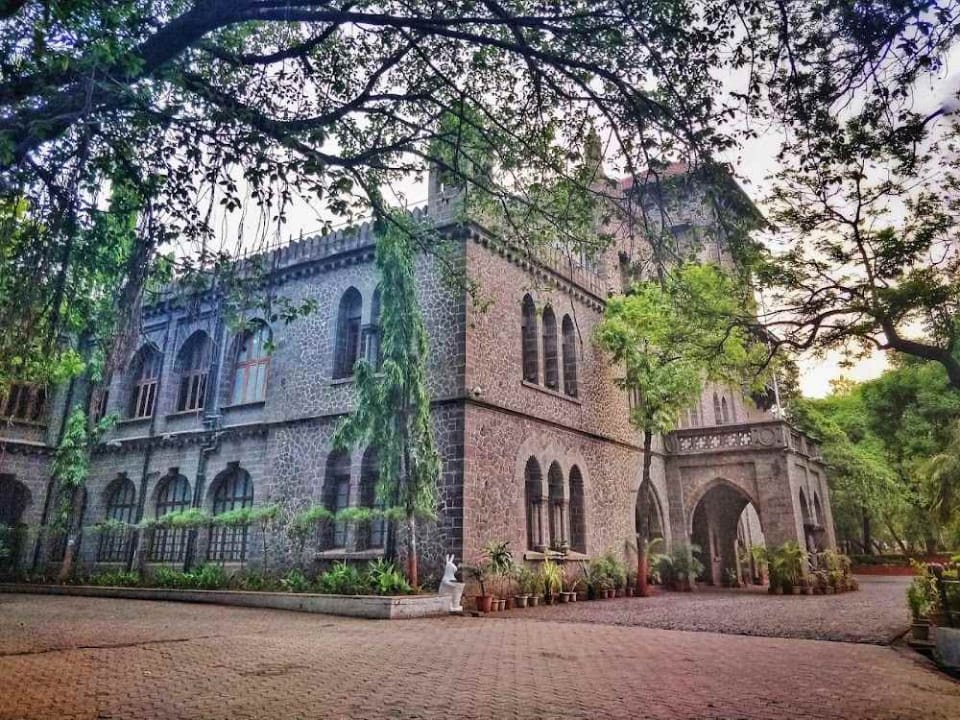
Established in 1854, well before any formal degree-awarding universities took root in India, the College of Engineering Pune, now known as COEP Technological University, is the third oldest engineering college in the country and in Asia, after the College of Engineering Guindy and IIT Roorkee.
It began not as a university campus but as the Poona Engineering Class and Mechanical School, set up by the British to train junior officers in public works such as road construction, canal building, and railway engineering. Degree programs in civil engineering, mechanical engineering, and electrical engineering were started in 1908, 1912, and 1932 respectively.
Among its most celebrated alumni is Bharat Ratna Sir M. Visvesvaraya, the engineering legend in whose honour Engineers Day is celebrated across India every year on 15 September. The institution started postgraduate and PhD programs in the early 1950s, when the IITs were yet to be established, and the first department of electronics and telecommunication in the country was set up at COEP.
Today, with over 170 years behind it, COEP sits on a 36-acre campus in Shivajinagar and was upgraded to a full Technological University by the Government of Maharashtra in 2022.
The Biscuit That Became a Pune Identity
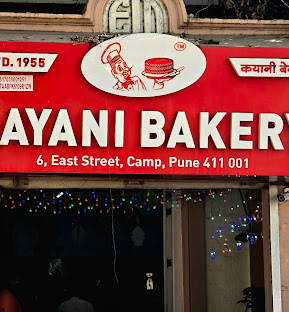
Ask anyone who grew up in Pune or has spent any real time in the city about Kayani Bakery and they will have an opinion. The Shrewsbury biscuit, a round, buttery, shortbread-style cookie stamped with the bakery’s name, has become so closely associated with Pune that people travelling out of the city routinely carry boxes of them as gifts.
In August 1955, three brothers named Khodayar, Hormazdiar, and Rustom Kayani, who had left Iran in search of a better life and made their way first to Mumbai and then to Pune, decided to open a bakery in the Camp area to sell freshly baked bread, puffs, and pastries. The building they moved into on East Street had previously housed an Italian-owned restaurant and dance hall, complete with a marble dance floor and stamped tin ceiling, remnants of which can still be seen today.
Kayani Bakery sells around 300 kilograms of Shrewsbury biscuits every single day, with people queuing up as if the last batch of biscuits on earth is at stake. There is no second outlet and no plans for one, a decision that has only deepened the bakery’s cult status. The connection between Pune and shortbread-style biscuits is not coincidental either. The Camp area where Kayani sits was the heart of the British cantonment, and the colonial presence in Pune naturally brought European baking traditions into the city, eventually giving rise to what has become one of the most beloved food items in Maharashtra.
India’s Most Famous Film School, Built on the Ruins of a Pioneer Studio
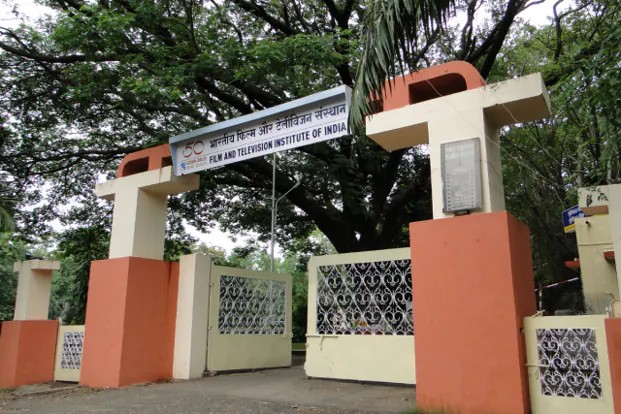
The Film and Television Institute of India was set up by the Government of India in 1960 on the premises of the Prabhat Studios in Pune. Prabhat Studio was a pioneer in Indian filmmaking and had shifted to Pune from Kolhapur in 1933. The old studios of the Prabhat era are now heritage structures, and FTII students continue to work at what are considered the world’s oldest functioning film shooting studios.
The institute was established on the recommendation of the Film Enquiry Committee, headed by SK Patil, and comprising prominent film industry figures including V. Shantaram. In 1971, it was renamed the Film and Television Institute of India with the addition of in-service training programs for Doordarshan.
FTII’s alumni list reads like a who’s who of Indian cinema. Directors, cinematographers, and actors trained here have won National Film Awards, international festival prizes, and Oscar recognition. The campus itself, tucked behind trees on Law College Road, is one of the most atmospheric places in Pune, a quiet, green, film-obsessed world sitting just minutes from the city’s busiest areas.
Pune’s Tree-Lined Streets Are Not an Accident
The dense canopy of trees lining roads like JM Road and FC Road is not something that happened by chance. It is the direct result of deliberate planting carried out during the British era when Pune served as the Bombay Presidency’s summer capital. The British developed the cantonment and the old city quarters with avenues of rain trees, tamarind trees, and gulmohar, creating wide, shaded roads suited to the climate.
Those same trees, now over a century old in many cases, are what give Pune its distinctive feel: a modern, fast-growing city where large stretches still feel genuinely green and walkable. Urban conservationists and Pune residents frequently cite these old-growth trees as one of the city’s most underappreciated assets, and debates around road-widening projects that require their removal regularly draw strong public responses.
Frequently Asked Questions
How old is the Pataleshwar Cave Temple in Pune? The temple dates to the 8th century CE, making it over 1,200 years old. It was carved during the Rashtrakuta dynasty and is one of the oldest surviving monuments in the city, protected today by the Archaeological Survey of India.
When was COEP established and why is it significant? COEP was established in 1854 as the Poona Engineering Class and Mechanical School. It is the third oldest engineering college in Asia, predating most formal universities in India, and counts Bharat Ratna Sir M. Visvesvaraya among its alumni.
Who started Kayani Bakery and when? Three Iranian brothers named Khodayar, Hormazdiar, and Rustom Kayani founded the bakery in August 1955 on East Street in Pune’s Camp area. Their Shrewsbury biscuits have since become one of the most recognised food items associated with the city.
What is FTII and why is it based in Pune? The Film and Television Institute of India was established in 1960 by the Government of India on the grounds of the former Prabhat Studios, which had been one of India’s most important early film production houses. FTII trains students in filmmaking and television production and its alumni have won recognition at national and international levels.