Pune Water Crisis Deepens: Over 2.3 Lakh Villagers Rely on Tankers Across District
Pune Water Crisis Deepens: Over 2.3 Lakh Villagers Rely on Tankers Across District
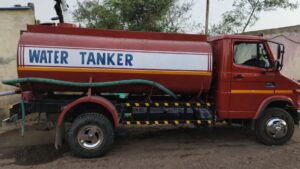
Pune, June 23, 2026: Pune district is grappling with a severe water shortage, forcing more than 2.3 lakh residents and over 33,000 livestock across 133 villages and 493 hamlets to depend on water tankers for their daily needs, according to a report released by the Pune Zilla Parishad (ZP).
The ongoing crisis has been largely attributed to the delayed arrival of the monsoon and rapidly declining groundwater levels. Talukas such as Junnar, Ambegaon, Khed, Indapur, and Shirur have emerged as the worst-affected regions. To tackle the situation, the district administration has deployed 143 water tankers to supply drinking water to affected areas.

District Collector said the administration has been working over the past two years to revive natural water sources and improve water availability across the district. He added that a contingency plan is in place and additional tankers will be deployed if the need arises.

Among the hardest-hit areas, Junnar taluka accounts for 111 villages receiving water through 27 tankers. Despite receiving some rainfall in recent weeks, Khed and Ambegaon continue to face acute shortages due to depleted groundwater reserves.
The situation highlights a recurring challenge for rural Pune. In June 2025, nearly 203 villages required tanker services following a delayed monsoon. While the number of affected villages has reduced to 133 this year, the continued dependence on tankers underscores the persistent stress on rural water resources.
Residents say the shortage has disrupted daily life, with families often waiting for scheduled tanker deliveries. Missing a tanker can leave households without water until the next supply arrives. Farmers have also raised concerns over falling groundwater levels, reporting that wells are drying up much earlier than in previous years.
Women are among the worst affected, spending several hours each day collecting and storing water for household use. Many villagers say uncertainty over water availability has become a regular part of life during the summer season.
To support relief efforts, the administration has taken control of 19 borewells and 23 private wells, while also sourcing water from private suppliers to maintain uninterrupted tanker operations.
However, social activists have stressed that tanker supply is only a temporary solution. They have urged authorities to focus on long-term measures such as watershed development, groundwater recharge projects, restoration of ponds and lakes, and stricter regulation of borewell usage to reduce future dependence on tanker water and ensure sustainable water management.