Top 7 Monsoon Treks Near Pune Within 120 km: Your Complete 2026 Guide
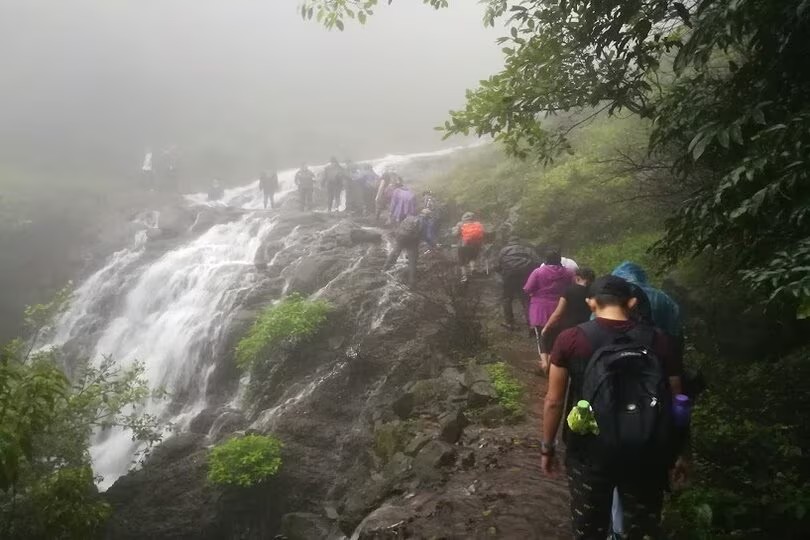
Top 7 Monsoon Treks Near Pune Within 120 km: Your Complete 2026 Guide
When the Sahyadris turn green and waterfalls roar back to life, here is where to go from Pune this rainy season
By Vidhi Lalla
Pune: Pune has a monsoon problem that most cities would be happy to have. Within 150 kilometres in almost every direction, the Sahyadri hills transform between June and September into something that looks nothing like the rest of the year. Forts that look dusty and quiet in April become dramatic, mist-covered ridges. Dry valleys fill up with waterfalls that are not even visible in winter. Forests turn a deep, almost unrealistic shade of green. For anyone based in Pune, this season is the best possible time to get out of the city, and the good news is that there are options for every level of fitness and experience.


Best Time to Go and What to Expect
The best trekking window runs from late June through September, with late June and September being the safer months for beginners as trails are not yet fully flooded or too slippery. July and August bring peak waterfalls and peak drama, but also the highest risk of slippery rocks and stream crossings. Always check local conditions before heading out, carry waterproof gear, wear proper trekking shoes with grip, and go with a guide if it is your first time on any of these routes.
Andharban Jungle Trek, Tamhini Ghat: 70 km
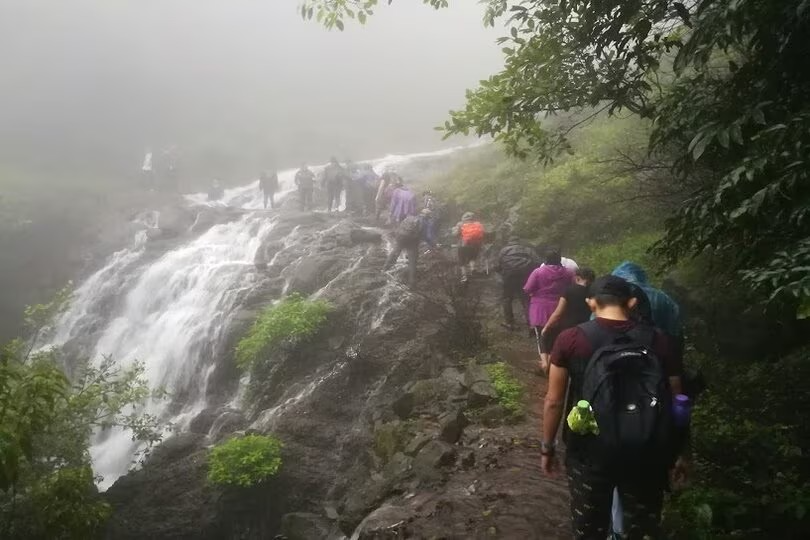
Andharban means dark dense forest in Marathi, and the name is accurate. This 13 km descending trail through the Tamhini Ghat is one of the most popular monsoon treks in Maharashtra for good reason. Unlike most Sahyadri treks that involve a painful climb, Andharban starts at an elevation of around 2,100 feet and gradually descends through thick forest cover to end near Bhira Dam. The trail takes roughly 5 to 7 hours and is rated easy to moderate, making it a strong pick for first-time trekkers.
During monsoon, the forest becomes a green tunnel with three waterfall crossings along the route. The path also passes through Hirdi village, the only settlement on the route, where trekkers usually stop for lunch. A forest department permit is mandatory and issued in limited numbers daily, so advance booking through a registered trek organiser is essential. The trail is closed during breeding season, so check current access status before planning.
Devkund Waterfall Trek, Tamhini Ghat: 100 km
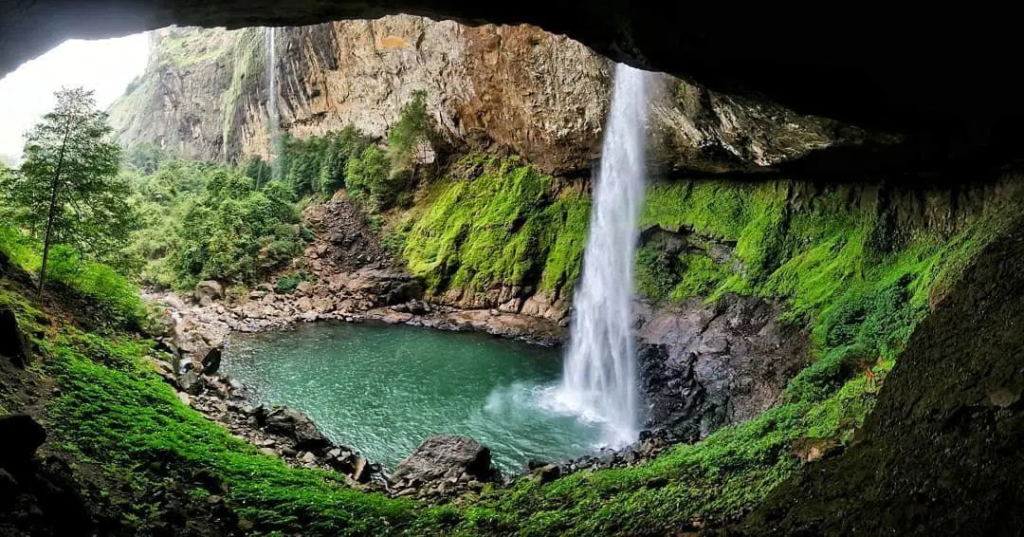
Locally called the Bathing Pond of the Gods, Devkund is formed by the confluence of three streams that together plunge into a deep turquoise pool. The waterfall drops from a height of roughly 80 to 85 metres and the pool at the bottom is around 60 feet deep, so swimming near the falls is prohibited and strictly enforced. The trek from Bhira village is around 5 to 6 km one way and takes 2 to 3 hours at a comfortable pace through flat forest trail with some rocky patches toward the end.
This is one of the best beginner-level waterfall treks near Pune, but monsoon access can be restricted by forest authorities during heavy rainfall weeks. A local guide from Bhira village is compulsory and can be arranged on site. The route passes through the same Tamhini Ghat area as Andharban, making these two treks a possible back-to-back weekend plan.
Rajmachi Fort Trek, Lonavala: 70 km
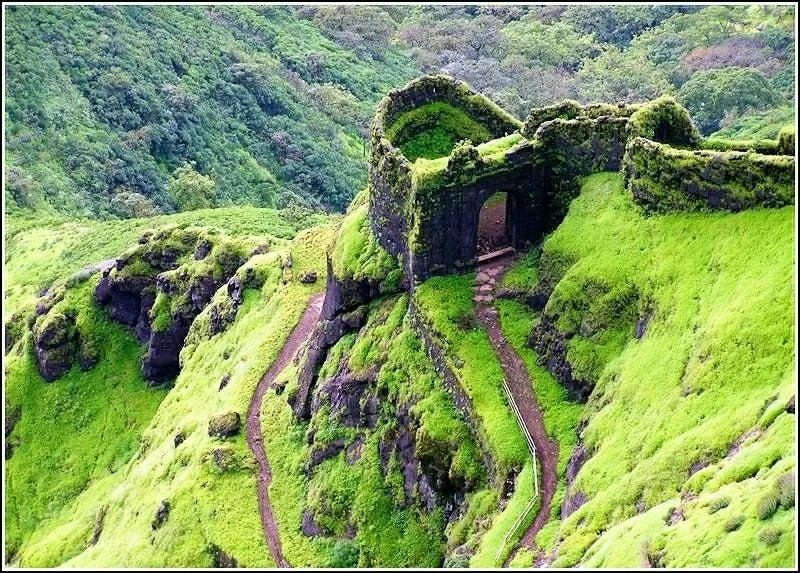
Rajmachi is one of those treks that rewards the effort from almost every angle. The route from the Lonavala side passes through forest trail for around 15 to 18 km to reach a plateau with two twin forts, Shrivardhan and Manaranjan, both offering wide valley views. During monsoon, the approach trail is lined with dozens of small waterfalls and the Kataldhaar Waterfall is visible from the fort top, cascading from roughly 350 feet into the valley below.
The trek is moderate in difficulty and is popular for overnight camping at Udhewadi village at the base of the fort. Early June also brings the bonus of firefly season in the forest sections along the approach, a brief window before peak monsoon that most trekkers miss. This is not recommended as a solo trail in heavy rain.
Visapur Fort, Lonavala: 65 km
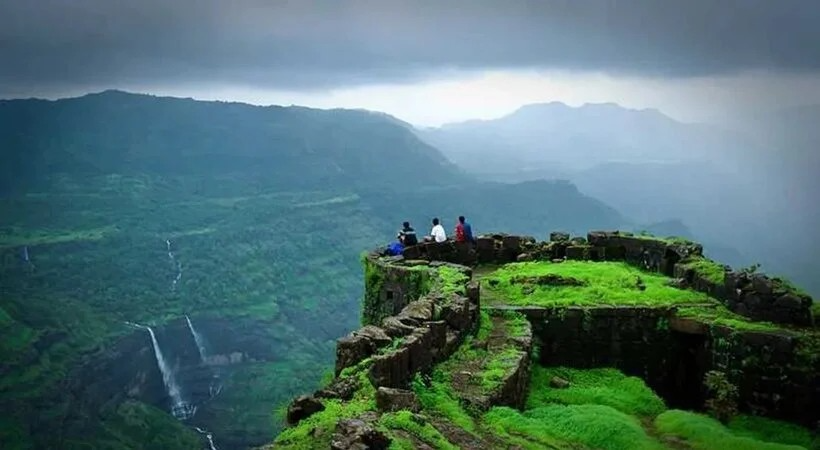
The twin fort to the better-known Lohagad, Visapur is quieter and arguably more rewarding in monsoon. What makes it special during the rainy season is the waterfall that flows directly along the trekking trail and pours through the steep stone staircase of the fort’s back entry, turning the climb itself into a waterfall walk. The fort sits at around 1,084 metres and the top is a large, open plateau with sweeping views of the Sahyadri range.
The trail is suitable for beginners and takes about 2 to 3 hours to the summit. Visapur is accessible by road from Lonavala or Malwali railway station, making it one of the most train-accessible treks on this list.
Kataldhaar Waterfall Trek, Lonavala: 90 km
On the same route as Rajmachi, Kataldhaar is a waterfall trek that can be done independently or paired with the fort. The waterfall cascades from approximately 350 feet and the trek through rocky terrain and dense forest to reach the viewpoint takes around 2 to 3 hours from the nearest base point. During peak monsoon it is one of the most photographed waterfalls in the region, and the approach through the valley is scenic throughout.
Malhargad Fort, Sonori: 35 km
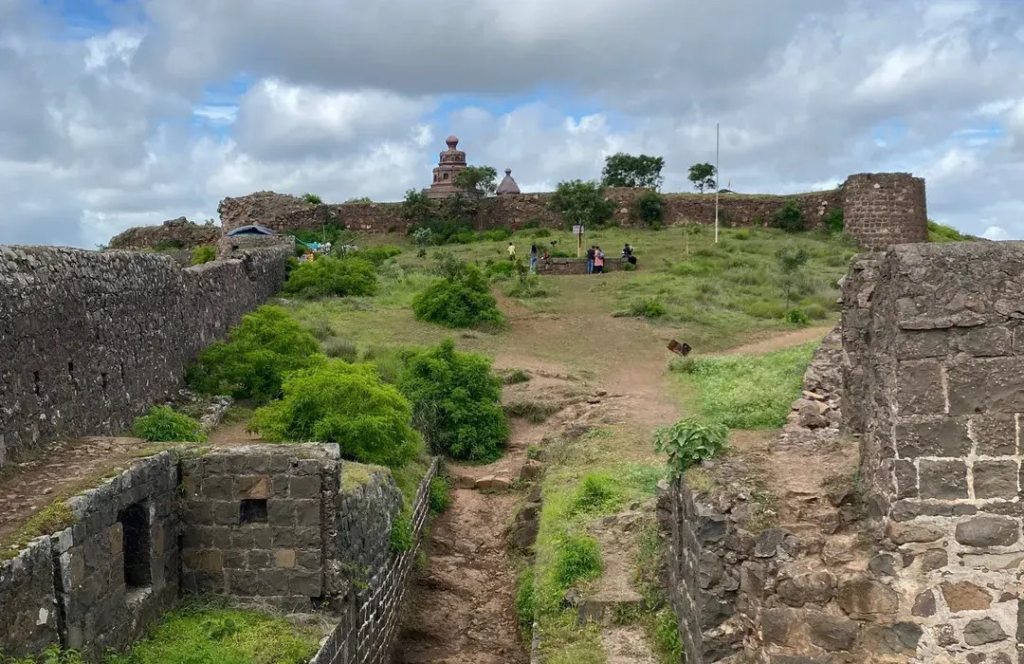
Also known as Sonori Fort, Malhargad is one of the closest monsoon trekking options from Pune city and is ideal for a quick half-day outing. The trek from Sonori village or Zhendewadi takes around 30 minutes to the top and is rated as easy. Several small waterfalls appear around the fort during monsoon, and the hill range offers open views of the surrounding region. It is a strong choice for families, beginners, or anyone who wants a genuine taste of monsoon trekking without committing a full day.
Rohida Fort, Bhor: 65 km
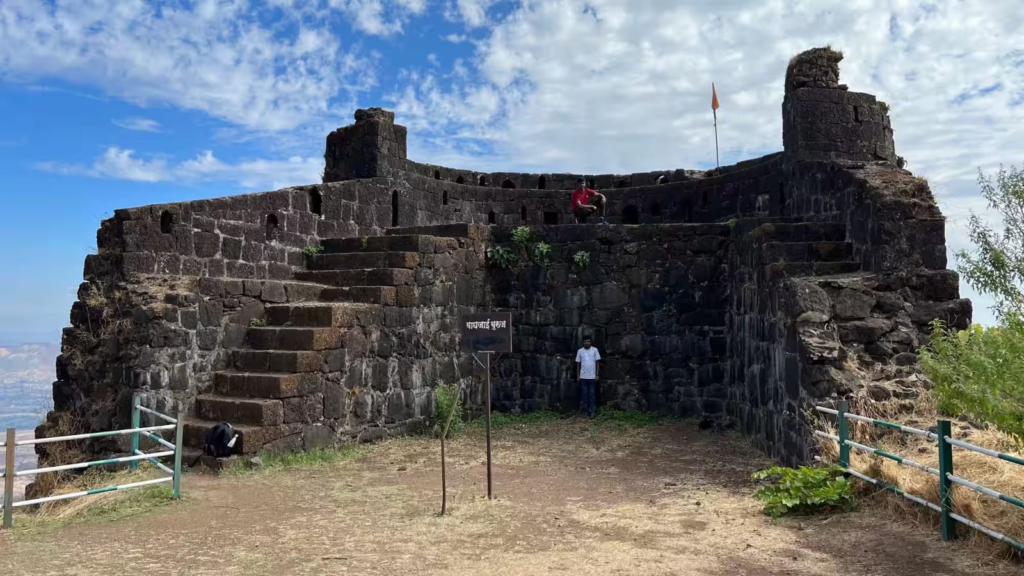
Also called Vichitragad, Rohida Fort sits about 65 km from Pune in the Bhor region and turns into one of the more scenic and less crowded fort treks during monsoon. The trail passes through flowing streams, small waterfalls, and dense greenery, and the fort offers good views of the Sahyadri range from the top. Because it draws fewer crowds than Sinhagad or Lohagad, the experience here is quieter and more relaxed, making it worth considering if the popular routes feel too busy.
Bhivpuri Waterfall, Karjat: 120 km
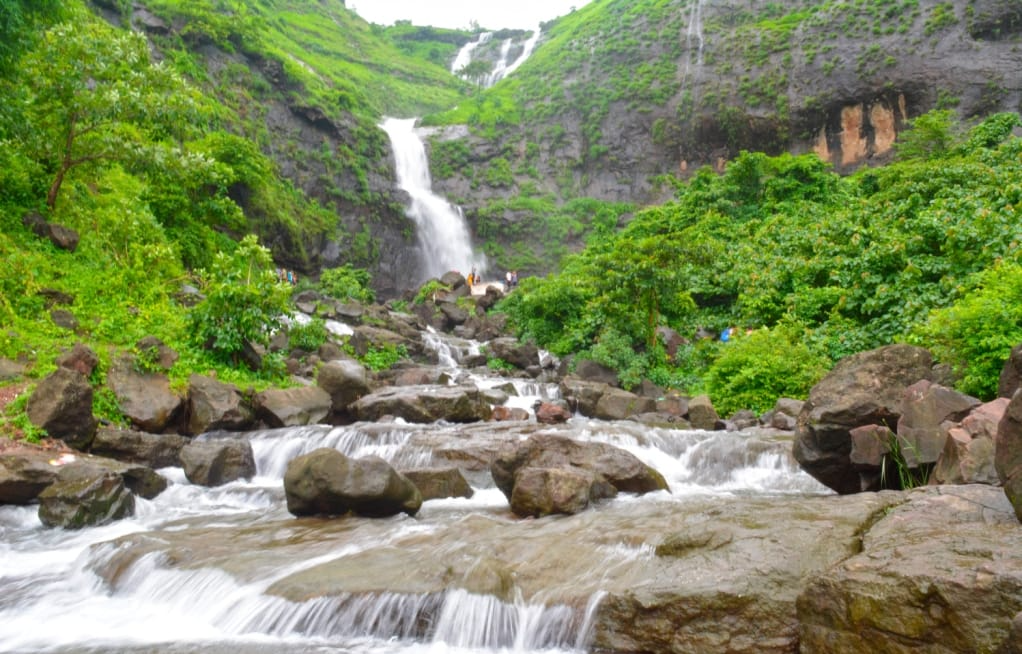
Located near the Bhivpuri Dam and Karjat on the other side of the range, this waterfall trail along the dam is best combined with rappelling if you are up for it, making it a good choice for adventure seekers who want more than just a walk. The approach involves trekking along the dam backwater through green surroundings, with the waterfall and rappelling point at the end of the trail.
What to Carry and Safety Notes
Monsoon trekking in the Sahyadris is genuinely different from trekking in other seasons. The trails are wetter, stream crossings can become risky in heavy rainfall, and leeches are a constant presence from July onward. Sturdy waterproof trekking shoes with grip are not optional. Carry a rain cover for your bag, a dry set of clothes, basic first aid, and enough food and water for the full trail. Mobile signal is limited or absent on most of these routes.
For every trek listed here, joining a registered group or hiring a local guide is strongly recommended, particularly for beginners. This is not because the trails are technically difficult but because conditions in monsoon change fast, and a guide who knows the current state of the route is the best safety tool available.
Frequently Asked Questions
Which monsoon trek near Pune is best for first-timers? Andharban Jungle Trek and Malhargad Fort are both well suited for beginners. Andharban is a longer trail but mostly downhill and easy to moderate in difficulty. Malhargad is very short and close to Pune, making it a good first experience.
Do I need a permit for monsoon treks near Pune? Some treks require forest department permits, including Andharban. Devkund requires a mandatory local guide. It is best to check requirements for each specific trek before going, as rules and access can change seasonally.
When is the best month for monsoon trekking near Pune? Late June and September are generally the safest months. July and August bring the most dramatic waterfalls but also the most risk from slippery paths and swollen streams. Beginners are advised to avoid mid-July to mid-August unless going with an experienced guide.
Is it safe to swim at Devkund Waterfall? No. Swimming near the main drop is not permitted. The pool is deep, carries strong undercurrents, and incidents have occurred at this site. Follow guide instructions strictly and stay within the designated areas.