Pune Explores Artificial Rain to Tackle Water Crisis: How Cloud Seeding Works, Its Benefits and Concerns
Pune Explores Artificial Rain to Tackle Water Crisis: How Cloud Seeding Works, Its Benefits and Concerns
With dam levels falling and rainfall remaining below normal, the Pune Municipal Corporation is exploring an artificial rain experiment through cloud seeding. While the technology could temporarily improve water availability, experts caution that it has limitations, high costs and environmental concerns.
By Vidhi Lalla
Pune: The Pune Municipal Corporation (PMC) is exploring the possibility of conducting an artificial rain experiment as the city faces a growing water crisis due to deficient monsoon rainfall. The proposed project, estimated to cost around ₹6 crore, is likely to be funded through Corporate Social Responsibility (CSR) funds.

The proposal was discussed during a meeting led by Mayor Manjusha Nagpure, along with Standing Committee Chairman Shrinath Bhimale, Leader of the House Ganesh Bidkar and other civic representatives. Officials have been asked to examine the feasibility, success rate, expected expenditure and technical requirements before taking a final decision.

According to civic officials, the experiment would be carried out in dam catchment areas where moisture-laden clouds are already present. The objective is to determine whether cloud seeding can increase rainfall and improve water storage in reservoirs supplying Pune. The move comes as several parts of the city are already receiving water on alternate days because of declining reservoir levels.
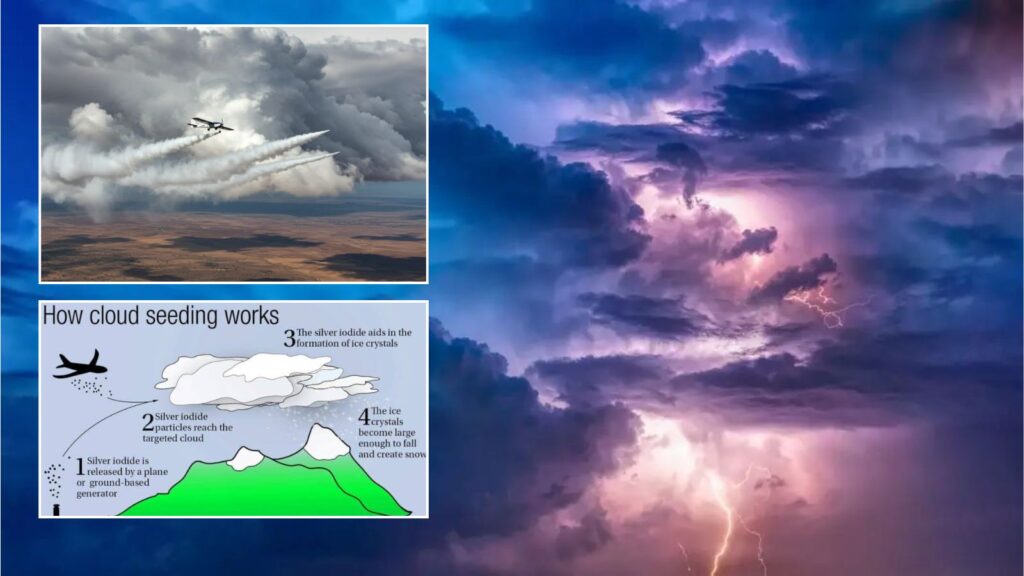
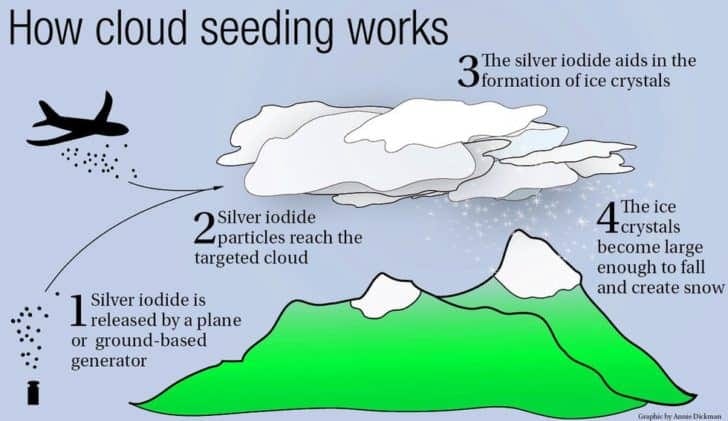
Cloud seeding is a weather modification technique in which aircraft disperse substances such as silver iodide, potassium iodide or dry ice into suitable clouds. These particles help water droplets condense, increasing the possibility of rainfall under favourable atmospheric conditions. Experts emphasise that cloud seeding cannot create clouds and only works when sufficient moisture-bearing clouds already exist.
Supporters say the technology can provide short-term relief during water shortages. Artificial rain can help replenish reservoirs, improve water availability in rain-deficient regions, reduce dust and airborne pollutants, support agriculture by providing moisture for crops and, in some situations, help suppress wildfires. It may also reduce the intensity of smog by washing pollutants out of the atmosphere.
However, cloud seeding is not considered a guaranteed solution. Meteorological conditions must be suitable, and its success rate varies widely from one project to another. Experts caution that rainfall produced through cloud seeding may not always occur in the intended location or in sufficient quantities to significantly improve water storage.
Researchers have also highlighted several concerns. Artificial rainfall could alter local weather patterns if not carefully regulated. Areas with poor drainage may face flooding if heavy rainfall occurs unexpectedly. Some scientists have raised questions about the long-term environmental effects of chemicals such as silver iodide, although current evidence remains limited and further research is needed. The process is also expensive and requires specialised aircraft, equipment and weather monitoring systems.
Another concern is that cloud seeding addresses the symptoms rather than the causes of water scarcity. Experts say it should complement not replace, long-term water conservation measures such as rainwater harvesting, wastewater recycling, leak reduction, groundwater recharge and efficient water management.
PMC officials have therefore directed the administration to prepare a detailed report covering previous cloud-seeding experiments in India, their success rates, institutions that can provide technical support, expected costs and whether the technology can meaningfully increase water levels in Pune’s chain of dams.
Key Concerns Raised by Experts
- Success depends entirely on the presence of suitable moisture-filled clouds.
- Results vary and rainfall cannot be guaranteed.
- The project is expensive, with Pune’s pilot estimated at ₹6 crore.
- Possible environmental impact of cloud-seeding chemicals requires continued scientific monitoring.
- Artificial rain may increase the risk of local flooding if weather conditions change suddenly.
- Cloud seeding cannot replace sustainable water conservation and groundwater management.
Possible Benefits
- May improve reservoir storage during prolonged dry spells.
- Can temporarily reduce air pollution by settling dust, smoke and suspended particles.
- Provides additional moisture for agriculture in rain-deficient regions.
- May help reduce wildfire intensity in some situations.
- Can offer temporary relief during severe water shortages while long-term conservation measures continue.
Experts believe that while cloud seeding can be a useful emergency intervention during exceptional drought conditions, it is not a permanent answer to water scarcity. Strengthening water conservation, improving storage infrastructure, promoting rainwater harvesting and ensuring efficient use of available water remain the most sustainable solutions for cities like Pune.
Disclaimer: Cloud seeding is a weather modification technique whose effectiveness depends on atmospheric conditions. Experts recommend treating it as a supplementary measure rather than a substitute for long-term water conservation and resource management.