Pune, Nashik Among Maharashtra’s Worst-Hit Regions as Groundwater Levels Decline
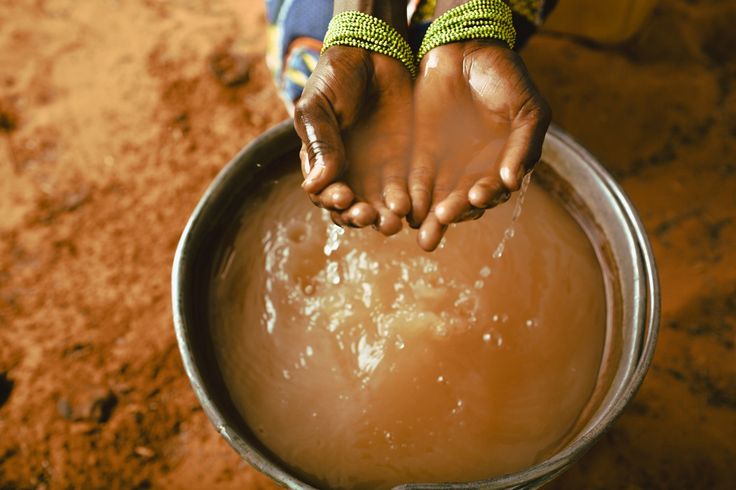
Pune, Nashik Among Maharashtra's Worst-Hit Regions as Groundwater Levels Decline
Groundwater levels have fallen in several parts of Maharashtra, with the Pune and Nashik regions emerging among the worst affected, according to the latest survey by the Groundwater Surveys and Development Agency (GSDA). The assessment highlights that while many talukas have seen an improvement in groundwater levels, water stress continues to persist in key regions.
The GSDA’s groundwater assessment for May 2026, based on data from 3,920 observation wells, found that groundwater levels declined in 165 of Maharashtra’s 353 talukas. At the same time, 188 talukas recorded an increase compared to the five-year average for May, indicating an uneven groundwater situation across the state.

Of the 165 talukas where groundwater levels dropped, 149 recorded a decline of up to one metre, while 14 talukas witnessed a fall of between one and two metres. Two talukas, Khandala in Satara district and Kalamb in Dharashiv district—recorded a sharper decline of two to three metres.

Meanwhile, among the 188 talukas that showed improvement, 139 recorded an increase of up to one metre, 38 saw a rise of one to two metres, seven registered an increase of two to three metres, and three talukas recorded a groundwater rise of more than three metres.
The survey found that the Pune region recorded groundwater decline in 32 talukas, making it one of the most affected regions in Maharashtra.
Within Pune district, groundwater levels fell in 11 of its 13 talukas compared to the five-year May average, while only two talukas reported an improvement. The findings suggest increasing pressure on groundwater reserves, especially in fast-growing urban and peri-urban areas.
The report also noted that Mulshi and Velhe had previously been identified as vulnerable to groundwater stress. Rising dependence on private water tankers in some parts of the district further reflects the growing strain on local water resources.
The Nashik region reported the highest number of talukas with declining groundwater levels, with 37 talukas showing a fall. Unlike other regions that displayed mixed trends, groundwater depletion in Nashik was widespread across the region, making it one of the state’s most water-stressed areas.
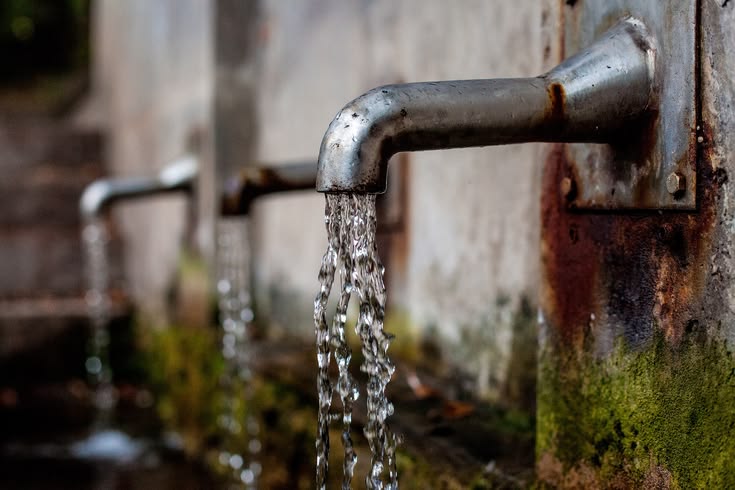
The GSDA said Maharashtra continues to witness a mixed groundwater scenario. Although more talukas recorded an increase than a decline in groundwater levels, delayed southwest monsoon rains and uneven recharge have left several regions facing continued water stress.
The agency said the findings highlight the need for better groundwater management, rainwater harvesting and sustainable use of water resources, particularly in rapidly urbanising and water-intensive regions.
The latest survey indicates that while some parts of Maharashtra have benefited from improved groundwater recharge, areas such as Pune and Nashik continue to face significant challenges, underlining the need for long-term water conservation measures.