Indoor Plants That May Help Keep Cockroaches Away Naturally
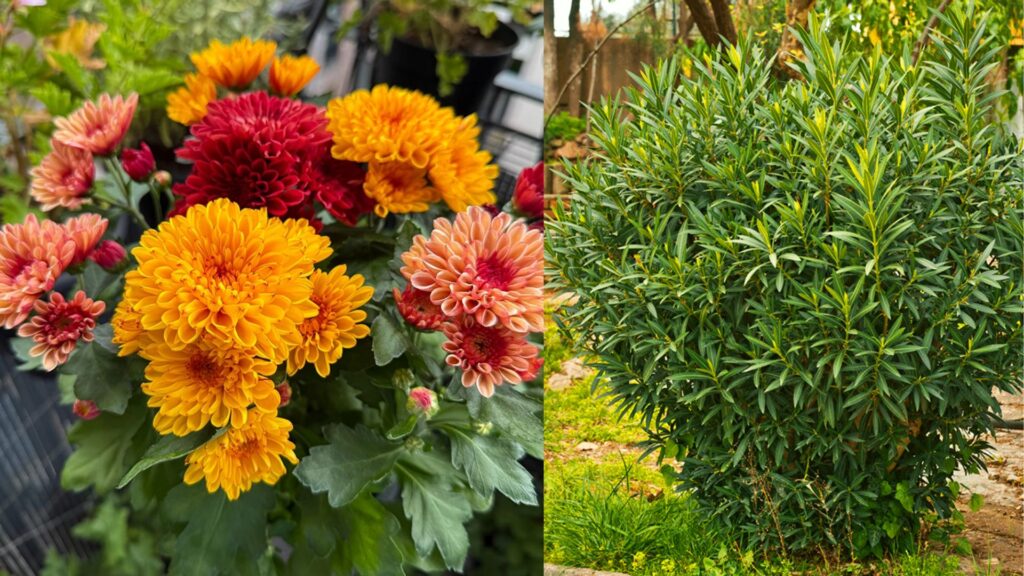
Indoor Plants That May Help Keep Cockroaches Away Naturally
8 July, 2026: Cockroaches are among the most common household pests, often appearing in kitchens, bathrooms and storage areas where food, moisture and shelter are easily available. While maintaining a clean home and sealing entry points remain the most effective ways to prevent an infestation, some indoor plants are believed to make living spaces less attractive to cockroaches because of their strong natural aromas.
These plants cannot eliminate cockroaches on their own, but they may complement regular cleaning and pest-control practices while adding greenery and freshness to your home.

Mint

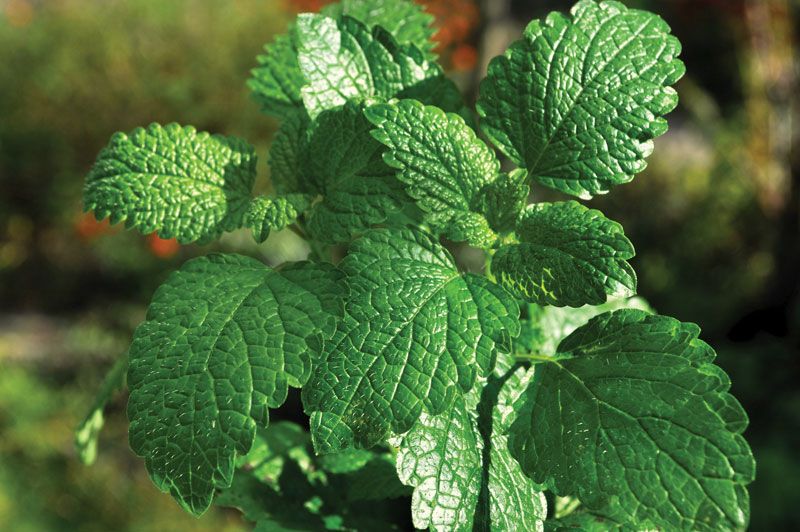
Mint is one of the most popular herbs grown indoors, known for its refreshing fragrance and easy maintenance. The plant contains menthol-rich essential oils, whose strong scent is believed to discourage cockroaches and several other household insects. Mint grows well in pots and requires bright, indirect sunlight and regular watering.
Lemongrass
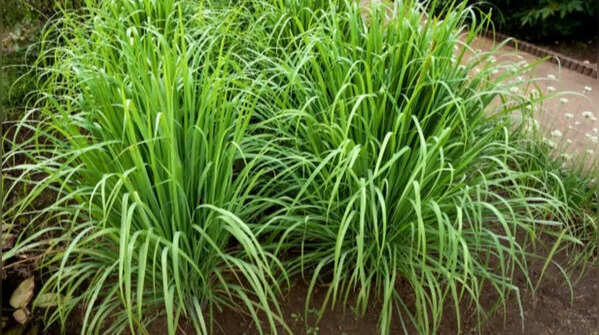
Lemongrass is widely recognised for its citrus-like aroma, which comes from citronella, a natural compound commonly used in insect repellents. Besides enhancing the look of indoor spaces, lemongrass may help reduce the presence of cockroaches when placed near windows, balconies or entryways.
Lavender
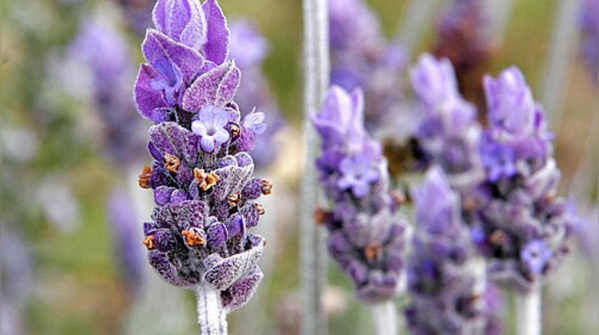
Lavender is admired for its attractive purple flowers and soothing fragrance. While its scent is relaxing for many people, insects, including cockroaches, are thought to dislike the essential oils present in the plant. It grows best in well-lit areas with good air circulation.
Rosemary
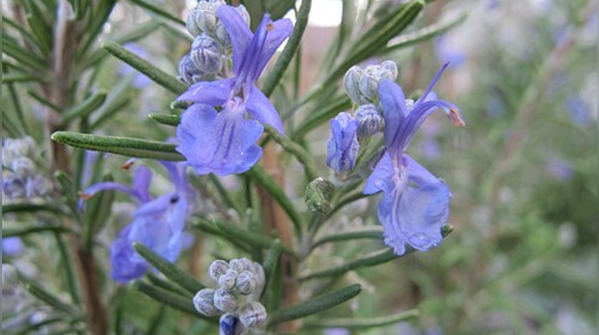
Rosemary is more than just a culinary herb. Its woody fragrance is believed to help repel several household pests while also providing fresh herbs for cooking. The plant thrives in sunny locations and does not require frequent watering, making it suitable for indoor gardening.
Bay Laurel
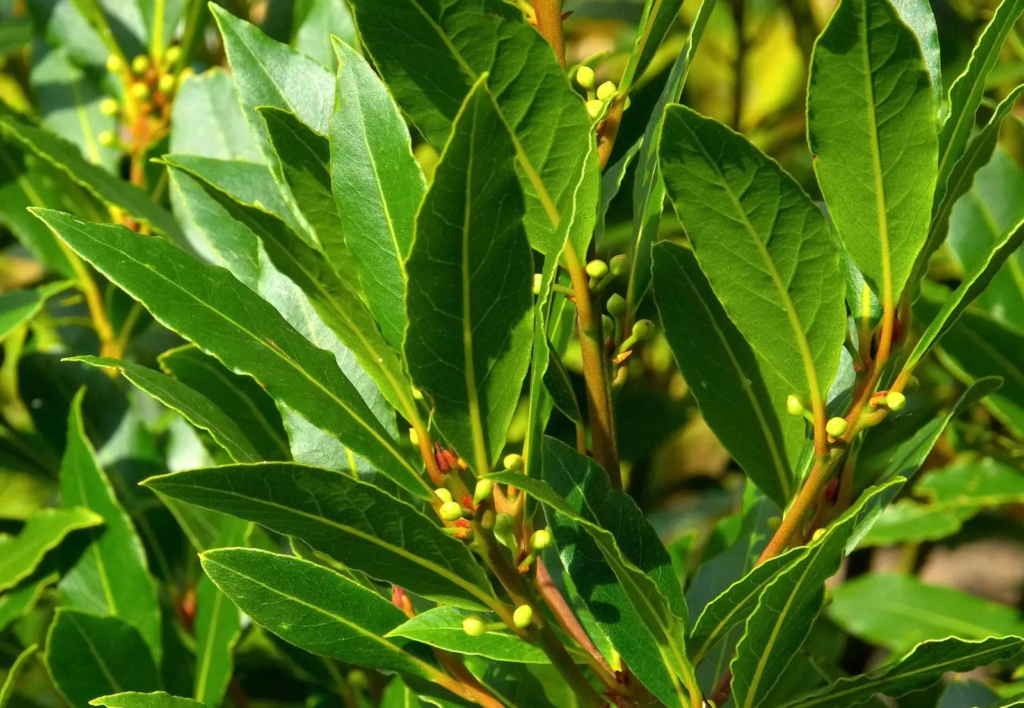
Bay laurel is another aromatic plant that has traditionally been associated with keeping insects away. Its leaves release a distinct fragrance that may discourage cockroaches from entering kitchens and pantry areas. The plant can be grown indoors with adequate sunlight and occasional pruning.
Catnip

A member of the mint family, catnip contains a natural compound called nepetalactone, which has been studied for its insect-repelling properties. While it is famous for attracting cats, the plant’s aroma may help keep certain insects, including cockroaches, at bay.
Chrysanthemum
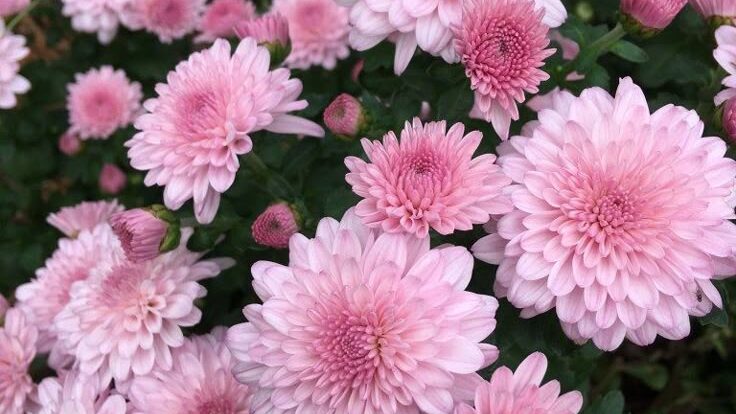
Chrysanthemums are colourful flowering plants that contain pyrethrins—natural compounds commonly used in many insect-control products. Although the concentration in live plants is much lower than in commercial insecticides, chrysanthemums are often included among plants that may help deter household pests.
Tulsi (Holy Basil)
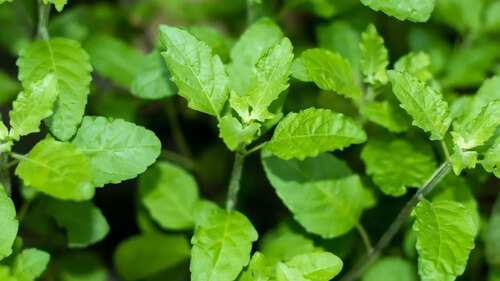
Tulsi is a common household plant in many Indian homes and is valued for its medicinal and aromatic properties. Its strong fragrance is believed to help keep several insects away while also purifying the surrounding air. It grows well in pots with moderate sunlight and regular watering.
Are These Plants Enough to Stop Cockroaches?
Indoor plants can contribute to a fresher environment, but they should not be viewed as a complete solution for cockroach problems. Cockroaches are primarily attracted to leftover food, moisture and clutter. Even homes filled with aromatic plants can experience infestations if basic hygiene is neglected.
Simple practices such as cleaning kitchen counters, storing food in sealed containers, disposing of garbage regularly, fixing leaking pipes and sealing cracks around doors and windows remain the most effective ways to keep cockroaches away.
Adding indoor plants such as mint, lemongrass, lavender, rosemary, bay laurel, catnip, chrysanthemums and tulsi can enhance your home’s décor while potentially helping to discourage cockroaches naturally. Combined with good housekeeping and regular maintenance, these plants can be part of an eco-friendly approach to creating a cleaner and more comfortable living space.