Dudhsagar Falls Travel Guide: Best Time to Visit, Train Views & Monsoon Tips
Dudhsagar Falls Travel Guide: Best Time to Visit, Train Views & Monsoon Tips
8 July, 2026: Every monsoon, Dudhsagar Falls transforms into one of India’s most spectacular natural attractions. Located on the Goa–Karnataka border amid the lush forests of the Western Ghats, the waterfall attracts thousands of visitors who hope to witness its roaring white cascade. However, the rainy season also brings several restrictions that often confuse tourists.
If you’re planning a trip during the monsoon, here’s a complete guide to what remains open, what stays closed, and the best way to experience Dudhsagar Falls safely.

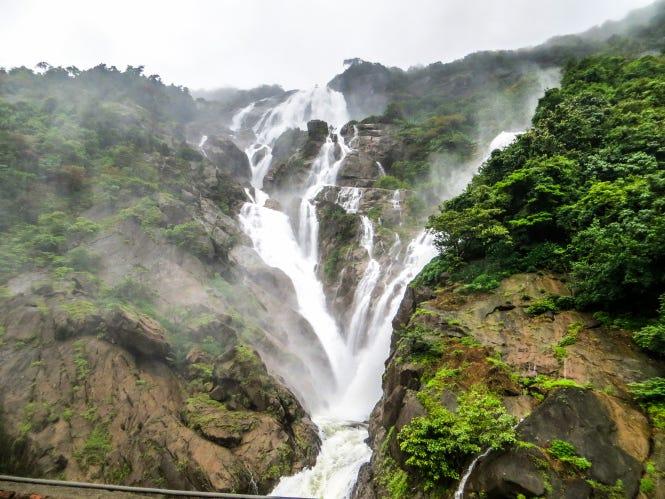
Dudhsagar Falls, which translates to “Sea of Milk,” is among India’s tallest waterfalls, standing approximately 310 metres (1,017 feet) high. The Mandovi River plunges over four rocky tiers, creating a dramatic white curtain of water that resembles flowing milk.

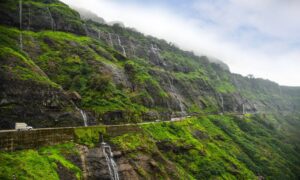
During the southwest monsoon, the waterfall reaches its maximum volume, making July to September the most visually stunning time of the year. The surrounding Bhagwan Mahaveer Wildlife Sanctuary also comes alive with dense greenery, mist-covered hills and flowing streams, creating one of Goa’s most picturesque landscapes.
Can You Visit Dudhsagar During the Monsoon?
Yes, you can visit Dudhsagar during the monsoon, but access is different from the rest of the year.
The waterfall itself remains open to view, but visitors cannot reach its base through the forest. Authorities suspend jeep safaris and trekking routes during the rainy season because of swollen streams, slippery terrain and the possibility of landslides.
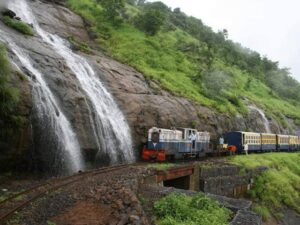
Despite these restrictions, tourists can still enjoy uninterrupted views of the waterfall from trains passing through the Dudhsagar railway section.
Why the Jeep Safari Remains Closed
The popular jeep safari from Collem is one of the biggest attractions during the dry season, allowing visitors to travel through forest trails and reach the base of the waterfall.
However, once the monsoon begins, the route becomes unsafe. Water crossings become difficult, forest tracks are submerged, and the risk of flash floods increases significantly. To ensure visitor safety, the Forest Department suspends safari operations until weather conditions improve after the monsoon.
The reopening date usually depends on rainfall intensity and road conditions, with operations generally resuming towards the end of October.
Why Trekking Is Not Allowed
Many travellers once preferred walking along the railway tracks to reach Dudhsagar Falls. Today, this route is prohibited.
The railway line passes through narrow tunnels, steep bridges and sharp curves where trains continue to operate throughout the year. During the monsoon, wet rocks, poor visibility and fast-moving trains make the route particularly dangerous.
Railway authorities strictly prohibit walking on the tracks, and regular patrols are conducted to discourage unauthorized entry.
The Best Way to See Dudhsagar in the Rainy Season
The safest and most rewarding way to experience Dudhsagar during the monsoon is by train.
The railway line between Vasco da Gama and Karnataka passes directly beside the waterfall, offering passengers spectacular views as the train crosses the famous bridge near the cascading water.
Many travellers choose morning trains because daylight provides clearer views and better opportunities for photography. Sitting on the appropriate side of the train can further enhance the experience, depending on the direction of travel.
Unlike the jeep safari, this option does not require forest permits or bookings for entry to the waterfall.
How to Reach Dudhsagar Falls
Dudhsagar Falls is located inside Bhagwan Mahaveer Wildlife Sanctuary on the Goa–Karnataka border.
The nearest railway stations are Kulem (Collem) in Goa and Castle Rock in Karnataka. Margao serves as the nearest major railway junction, while Goa International Airport at Dabolim is around 55 kilometres away.
During the monsoon, travellers usually reach Margao or Vasco, board a train passing through the Dudhsagar section, and continue their journey after enjoying the scenic views.
Best Time to Visit
The ideal time depends on the experience you are looking for.
If your priority is witnessing the waterfall at its most powerful, the monsoon months between July and September offer unmatched scenery. The forests are lush, clouds hang low over the mountains, and the waterfall flows at maximum force.
If you want to visit the base of the waterfall, enjoy jeep safaris or spend time near the plunge pool, the best period is late October to February, when forest routes reopen and weather conditions are safer.
Travellers planning a monsoon trip should book daytime train journeys to maximise visibility. Since mobile connectivity can be limited in the Western Ghats, downloading offline maps before travelling is advisable. Waterproof clothing, quick-dry footwear and rain protection for cameras and electronic devices are also recommended.
Visitors should avoid attempting to walk on railway tracks or enter restricted forest areas, regardless of weather conditions. Following official safety advisories not only protects travellers but also helps preserve one of India’s most iconic natural landmarks.
Dudhsagar Falls remains one of the most breathtaking monsoon destinations in India. While seasonal restrictions prevent tourists from reaching the base of the waterfall during heavy rains, the experience is far from disappointing. Watching the roaring cascade from a passing train, surrounded by mist-covered hills and dense forests, offers a unique perspective that many consider even more memorable.
Whether you visit during the monsoon for dramatic scenery or after the rains for jeep safaris and forest exploration, Dudhsagar continues to be one of Goa’s most remarkable natural wonders and a destination worth experiencing at least once.