Hyundai i20 vs Maruti Suzuki Baleno: Price, Mileage, Features and Performance Compared
Hyundai i20 vs Maruti Suzuki Baleno: Price, Mileage, Features and Performance Compared
25 July, 2026: Buying a premium hatchback often comes down to finding the right balance between comfort, mileage, features and everyday practicality. The Hyundai i20 and Maruti Suzuki Baleno are two popular choices in this segment, and while they compete for similar buyers, the experience they offer is noticeably different.
The i20 focuses more on premium styling, cabin features and refinement, while the Baleno appeals to buyers looking for efficiency, practicality and relatively economical everyday motoring. Here is how the two hatchbacks compare.

Engine and driving experience

Both cars come with 1.2-litre petrol engines. The Hyundai i20 gets a four-cylinder Kappa petrol engine producing 83 PS with the manual gearbox and 88 PS with the IVT automatic. Torque output stands at 114.7 Nm.
The Maruti Suzuki Baleno’s 1.2-litre petrol engine produces around 89.7 PS and 113 Nm of torque. It can be paired with a five-speed manual or AGS automatic transmission. The Baleno also has an additional advantage for buyers seeking lower running costs: a factory-fitted CNG option.
For regular urban driving, both cars provide enough performance for commuting, traffic and occasional highway journeys. Buyers looking for a smoother automatic experience may prefer the i20’s IVT, whereas the Baleno’s AGS is aimed more at convenience and efficiency.
Which one offers better mileage?
Fuel efficiency can make a significant difference for people who drive every day.
The Baleno has an edge in this department, with Maruti Suzuki claiming mileage figures of 22.35 km/l for the petrol manual and 22.94 km/l for the AGS version. Its CNG version has a claimed efficiency of 30.61 km/kg.
Actual mileage, however, will vary depending on traffic, driving habits, road conditions and vehicle load.
Styling: Sporty or sophisticated?
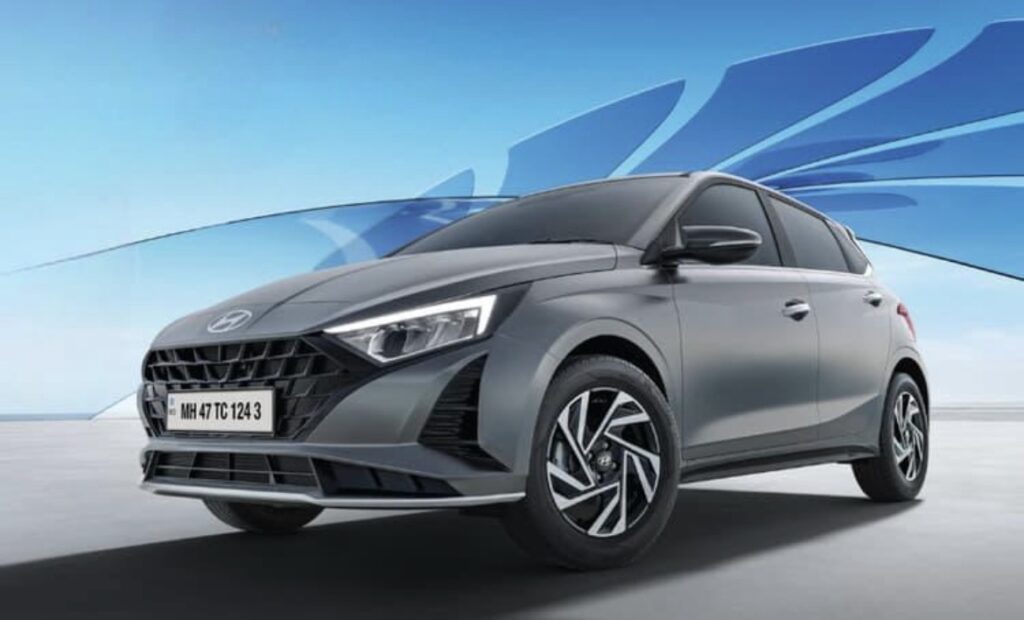
The Hyundai i20 has a sportier appearance, with sharp body lines, distinctive lighting and an aggressive front design. Its styling is likely to appeal to buyers who want their hatchback to have stronger road presence.
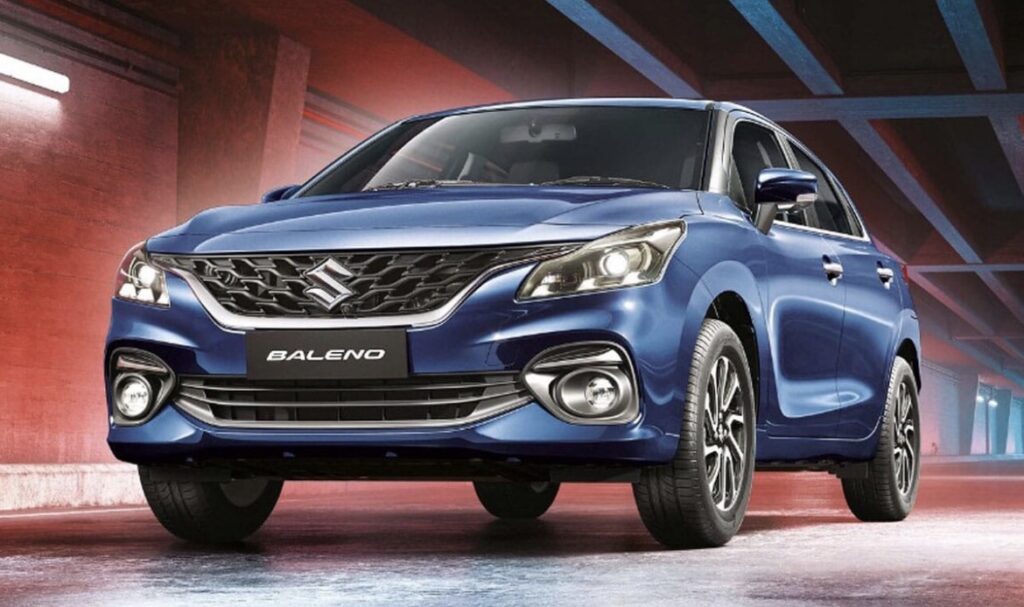
The Baleno follows a comparatively restrained design philosophy. It still looks contemporary but has a cleaner overall appearance that may suit buyers who prefer something less aggressive.
Features and technology
The i20 has traditionally made features one of its biggest selling points. Depending on the variant, buyers can get a 10.25-inch touchscreen infotainment system, wireless charging, connected-car technology and a Bose seven-speaker sound system.
The Baleno is also well equipped in its higher variants. Its features include a 9-inch SmartPlay Pro+ infotainment system, head-up display, 360-degree camera, wireless smartphone connectivity and connected-car functions.
This makes the choice fairly close. The i20 may feel more technology-focused inside, while the Baleno offers several useful features aimed at making everyday driving easier.
Cabin space and practicality
Both hatchbacks can seat five people and are designed to work as everyday family cars.
The i20 measures 3,995 mm in length and has a 2,580 mm wheelbase. The Baleno is 3,990 mm long with a 2,520 mm wheelbase. The i20 is also wider, measuring 1,775 mm compared with the Baleno’s 1,745 mm.
The Baleno’s petrol variants offer 318 litres of boot space. Buyers considering its CNG version should remember that the CNG setup reduces available luggage space.
What about safety?
Safety should be compared carefully at the variant level because equipment can differ between versions. Depending on the chosen trim, the cars offer features such as multiple airbags, ABS with EBD, electronic stability-related systems, parking assistance and ISOFIX child-seat mounts.
Instead of choosing solely on the number of convenience features, buyers should check the latest safety equipment offered on the exact variant they intend to purchase.
Hyundai i20 vs Baleno: Which should you buy?
The decision largely depends on your priorities.
The Hyundai i20 is better suited to buyers looking for a premium cabin, sporty styling, plenty of technology and a smooth IVT automatic. It makes a strong case for those willing to prioritise features and overall cabin experience.
The Maruti Suzuki Baleno is worth considering if mileage, practicality and running costs are more important. The availability of a factory-fitted CNG version further strengthens its appeal for people with high monthly usage.
Both cars are capable everyday hatchbacks, so a test drive can be particularly useful before making the final decision. Comparing similarly priced variants will also give buyers a clearer picture of which model provides the features and ownership experience they actually need.