Why Cars Suddenly Catch Fire While Driving? Warning Signs, Common Causes and Ways to Stay Safe
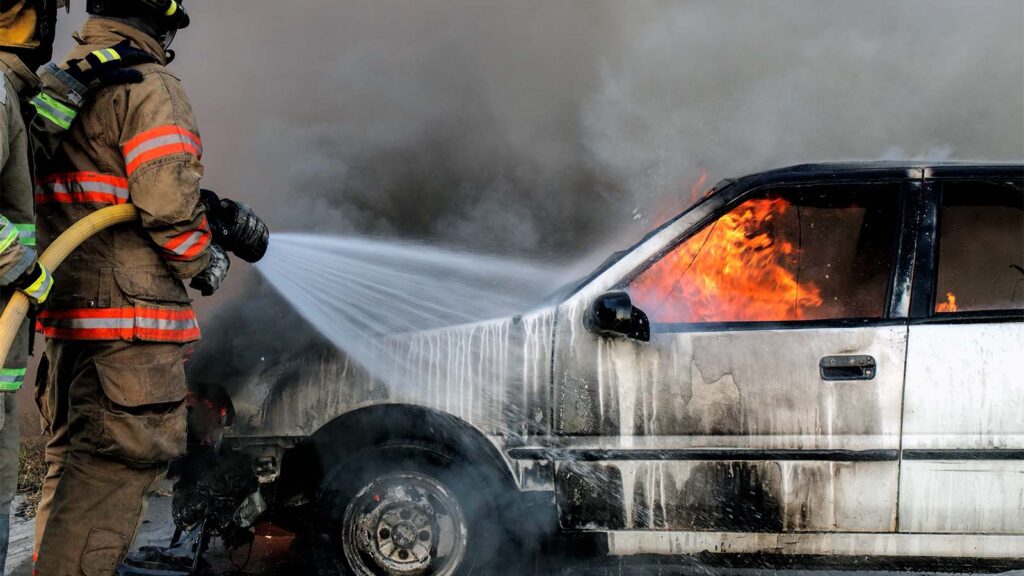
Why Cars Suddenly Catch Fire While Driving? Warning Signs, Common Causes and Ways to Stay Safe
Most vehicle fires are preventable. Experts say regular maintenance, timely repairs and recognising early warning signs can significantly reduce the risk of a car catching fire.
By Vidhi Lalla
Pune: Incidents of cars catching fire while on the road are relatively rare, but when they do occur, they can cause extensive damage and pose a serious threat to passengers. Experts say that in most cases, vehicle fires are triggered by mechanical or electrical faults rather than spontaneous combustion.

Understanding the common causes, recognising early warning signs and following basic safety measures can help prevent such accidents.
Common Causes of Car Fires
Electrical faults and short circuits
Modern vehicles contain complex electrical systems. Damaged wiring, loose electrical connections, worn insulation or faulty components can create sparks that may ignite nearby flammable materials. Improperly installed electrical accessories such as music systems, ambient lighting, horns or dash cameras can also increase the risk if poor-quality wiring is used.
Fuel or engine oil leaks
Petrol, diesel and engine oil are highly flammable. If leaking fuel or oil comes into contact with a hot engine, exhaust manifold or catalytic converter, it can ignite within seconds. Even a small leak should be inspected and repaired immediately.
Engine overheating
An overheating engine is another major cause of vehicle fires. Low coolant levels, radiator failure, malfunctioning cooling fans or neglected maintenance can raise engine temperatures significantly, increasing the risk of oil leaks and fire.
Faulty or illegally fitted CNG/LPG kits
Vehicles fitted with unauthorised or poorly installed CNG or LPG kits face a higher risk of gas leaks. Experts recommend getting alternative fuel kits installed only at authorised centres using approved components.
Mechanical failures
Faulty brakes, damaged bearings, clutch failures or overheating mechanical parts can generate excessive heat that may ignite combustible materials inside the engine compartment.
Road accidents
A collision can rupture fuel lines, damage the electrical system or expose hot engine parts, increasing the possibility of a fire immediately after an accident.
Hidden Fire Hazards Inside Your Car
Drivers often overlook everyday items that can become dangerous in extreme heat.
Avoid leaving these items inside a parked vehicle:
- Aerosol deodorants or perfume sprays
- Gas lighters
- Fuel containers
- Certain cleaning chemicals
- High-alcohol sanitisers stored improperly
- Lithium-ion power banks or batteries exposed to excessive heat
During summer, temperatures inside a parked vehicle can rise rapidly, increasing the risk of pressure build-up in certain products.
Rodents Can Damage Vehicle Wiring
Rodents such as rats and mice sometimes enter engine compartments and chew electrical wires. Damaged insulation can expose live wires, increasing the chances of short circuits and electrical fires.
If you notice signs of rodent activity, have the wiring inspected immediately.
Early Warning Signs Of A Possible Car Fire
Experts advise drivers to stop the vehicle safely if they notice:
- Burning plastic or rubber smell
- Smoke coming from the engine compartment
- Sparks or flickering electrical systems
- Rapid rise in engine temperature
- Repeatedly blown fuses
- Fuel, coolant or oil leaking beneath the vehicle
- Dashboard warning lights related to engine temperature or electrical systems
- Unusual loss of engine power accompanied by overheating
Ignoring these warning signs may increase the risk of a serious fire.
What To Do If Your Car Catches Fire
If you suspect your vehicle is on fire:
- Pull over immediately at a safe location.
- Switch off the engine.
- Ask all passengers to exit the vehicle immediately.
- Move at least 100 feet (around 30 metres) away from the vehicle.
- Call the fire brigade or emergency services.
- If flames appear to be coming from under the bonnet (hood), do not open it, as introducing oxygen can intensify the fire.
- Use a portable fire extinguisher only if the fire is very small and it is safe to do so. Never attempt to fight a large or rapidly spreading fire.
Tips To Reduce The Risk Of Car Fires
- Service your vehicle according to the manufacturer’s schedule.
- Inspect wiring, fuel lines and coolant hoses regularly.
- Repair oil or fuel leaks without delay.
- Use only genuine or high-quality replacement parts.
- Install aftermarket accessories through authorised technicians.
- Fit CNG or LPG kits only at certified centres.
- Keep the engine bay clean and free from oil residue.
- Carry an ABC-type portable fire extinguisher in your vehicle and learn how to use it.
- Avoid overloading electrical sockets with multiple accessories.
Quick Safety Checklist
 Check for fluid leaks regularly. Never ignore burning smells or smoke. Monitor engine temperature during long drives. Avoid storing flammable materials inside the car. Get electrical problems repaired immediately. Keep emergency numbers accessible.
Disclaimer: This article is intended for general awareness. Vehicle owners should follow the maintenance guidelines provided by the manufacturer and seek assistance from qualified automotive technicians for repairs or inspections.