Why Many Hotels Skip Room Number 13: The Surprising Reason Behind the Missing Door
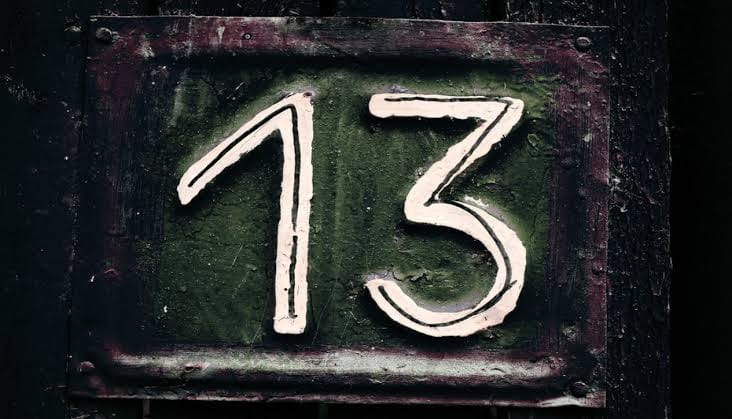
Why Many Hotels Skip Room Number 13: The Surprising Reason Behind the Missing Door
The absence of Room No. 13 in many hotels is not a numbering error. It is a long-standing practice influenced by superstition, guest psychology and business decisions aimed at making travellers feel more comfortable.
By Vidhi Lalla
Pune: If you have ever stayed in a hotel, you may have noticed something unusual. After Room No. 12, the next room is often numbered 14. In many hotels, the 13th floor is also missing from the lift panel. While it may appear to be a simple numbering choice, the reason goes much deeper.

Across many countries, particularly in Europe and North America, the number 13 has long been associated with bad luck. This belief, known as triskaidekaphobia—the fear of the number 13—has influenced the design of hotels, commercial buildings and even residential towers for decades.
A business decision as much as a belief
The hospitality industry depends on making guests feel relaxed and comfortable. Hotel operators say that if even a small number of travellers hesitate to book a room numbered 13, it can affect occupancy. To avoid this, many hotels simply skip the number altogether.
Instead of a 13th floor, some properties label it as the 14th floor or even 12A. In some buildings, the floor is used for mechanical equipment rather than guest rooms.
Industry estimates suggest that a large number of buildings with modern elevators do not display a 13th floor, reflecting how widespread the practice has become.
Where did the fear of 13 come from?
The belief has roots in several ancient stories and cultural traditions.
One popular tale from Norse mythology tells of a banquet attended by 12 gods. Loki, the god of mischief, arrived as the unexpected 13th guest, leading to the death of Balder, the god of joy.
In Christian tradition, the Last Supper included Jesus and his 12 disciples. Judas Iscariot, who later betrayed Jesus, is often associated with being the 13th person at the gathering.
Over time, these stories helped shape the perception of 13 as an unlucky number in many Western societies.
Movies and popular culture strengthened the belief
Books and films have also played a role in reinforcing the mystery surrounding the number. Popular horror franchises such as Friday the 13th turned the number into a symbol of danger, making the superstition even more familiar across generations.
Although there is no scientific evidence that the number itself brings bad luck, repeated exposure through popular culture has helped keep the belief alive.
Psychology also plays a role
Experts believe the decision is not based only on superstition. Human behaviour is often influenced by familiarity and comfort. Even travellers who do not consciously believe that 13 is unlucky may still feel uneasy if assigned Room No. 13.
Hotels therefore prefer to remove anything that could create unnecessary discomfort during a guest’s stay. For the industry, changing a room number is a simple way to improve the customer experience.
India follows the trend too
In India, the number 13 does not carry the same cultural significance as it does in many Western countries. However, several luxury hotels and international hotel chains operating in the country also avoid Room No. 13 or the 13th floor, mainly because they cater to guests from around the world.
The practice helps maintain consistency with international hospitality standards and avoids any concerns among foreign visitors.
Other numbers that hotels sometimes avoid
The number 13 is not the only one missing from hotel layouts. In different parts of the world, hotels may also avoid other numbers because of local beliefs.
In China, the number 4 is often skipped because its pronunciation closely resembles the word for “death.” In Japan, some buildings avoid the number 9, while in Italy, 17 is considered unlucky by many people.
Some hotels also avoid room numbers such as 420, 666 or 911 because of their associations with popular culture, religious beliefs or emergency services.
Interestingly, a few boutique hotels have taken the opposite approach by keeping Room No. 13 and marketing it as a unique attraction for curious travellers. However, such examples remain uncommon, with most hotels choosing guest comfort over tradition-breaking.
Disclaimer: The beliefs surrounding the number 13 are based on cultural traditions and superstitions. There is no scientific evidence to suggest that the number itself brings good or bad luck.