Adult Son Has No Right To Live In Father’s House Without Consent, Rules Rajasthan HC After 5-Year Feud
Adult Son Has No Right To Live In Father’s House Without Consent, Rules Rajasthan HC After 5-Year Feud
High Court affirms that parental permission, not birthright governs residence in self-acquired property.
A long-running property dispute between a father and his adult, married son came to an end after the Rajasthan High Court ruled that a son has no legal right to reside in his father’s self-acquired house without explicit permission. The verdict, delivered on October 28, 2025, ended nearly five years of litigation and reaffirmed a fundamental principle of Indian succession law.
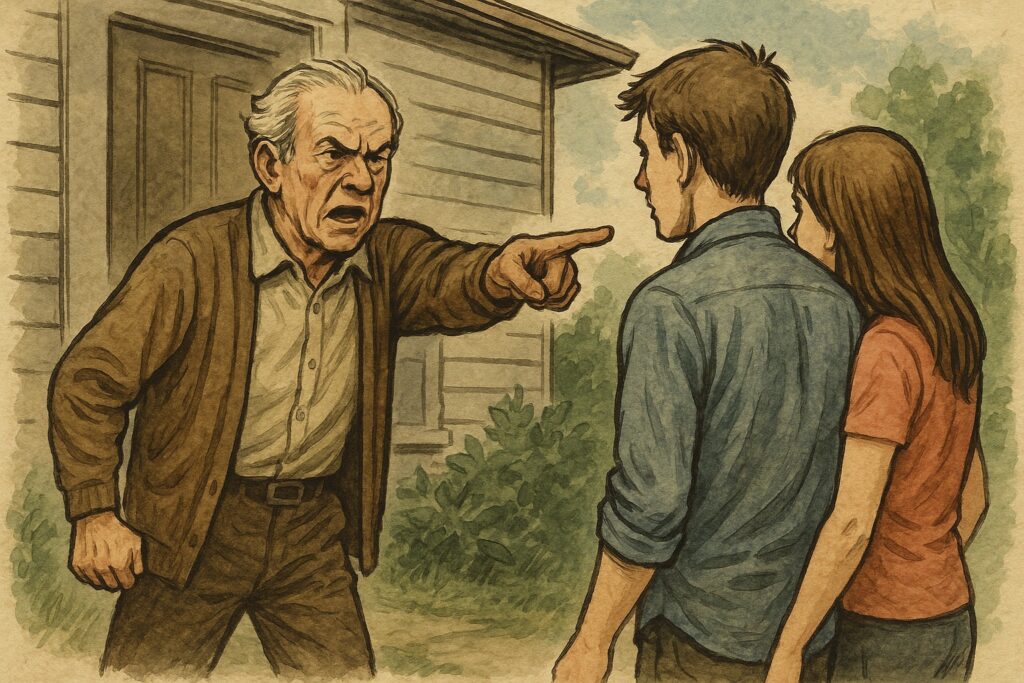
The case involved Mr. Shyam Sundar Khatri of Sawai Madhopur and his son, who had been occupying a portion of the house with his wife. According to court records, Mr. Khatri had allowed the couple to live in two bedrooms and other designated areas of the house after their marriage. The permission, however, was later revoked after the father complained of repeated mistreatment, stress, and refusal by the son to vacate the property.

Following this, Mr. Khatri served a legal notice in November 2018 withdrawing the licence to stay and demanded possession of the occupied portion. When his son refused to leave, Mr. Khatri approached the civil court seeking a mandatory injunction and mesne profits of ₹15,000 per month. The son countered the suit, arguing that the property was part of a Hindu Undivided Family (HUF) and that he was a coparcener with birthrights over it.
However, both the Trial Court and First Appellate Court rejected his claims. The High Court too upheld that the house was not HUF property but Mr. Khatri’s self-acquired asset, purchased jointly with his brother in 1974 and later divided through a written mutual agreement.
The court sharply criticised the son for dragging the matter despite failing to prove co-ownership, remarking that such litigation “undermines the pious and trustful relationship of father and son.”
The High Court imposed ₹1 lakh in exemplary costs on the son, noting that while the amount may not fully compensate the father’s distress, it would set a necessary deterrent against harassment through prolonged litigation.
Legal experts said the judgment reinforces the law that adult children cannot claim residence rights in a parent’s self-acquired home, even after marriage. “A child’s stay is by permission, not entitlement,” said Sachin Bhandawat, Partner at Khaitan & Co. He added that rights by birth apply only in ancestral or HUF properties, where all coparceners have joint possession.
The High Court emphasised that children live in their parents’ homes during childhood out of affection and parental duty, but in adulthood, continued residence does not automatically create ownership or legal claims.