After Lenskart, Air India under fire over ‘no bindi, no sindoor’ policy: Controversy Erupts
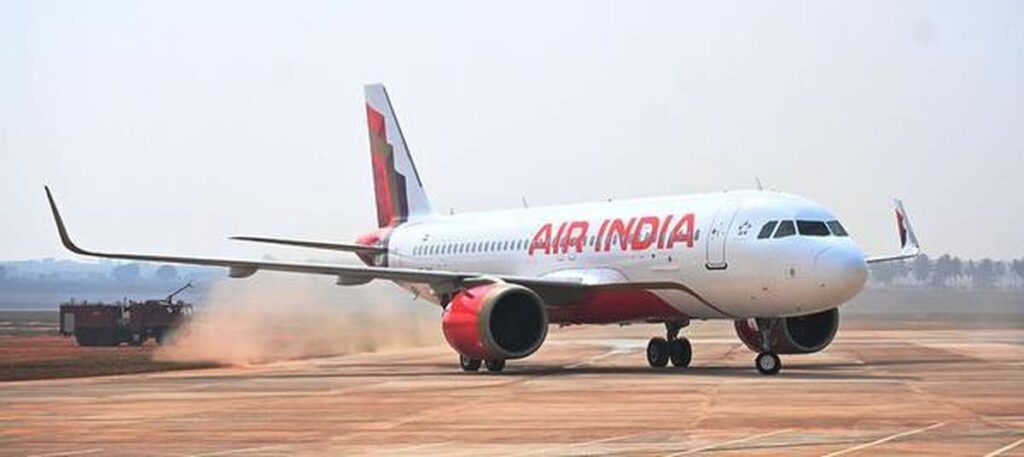
Pune - Bagdogra route launched as Air India Express adds 12 new flights to its network
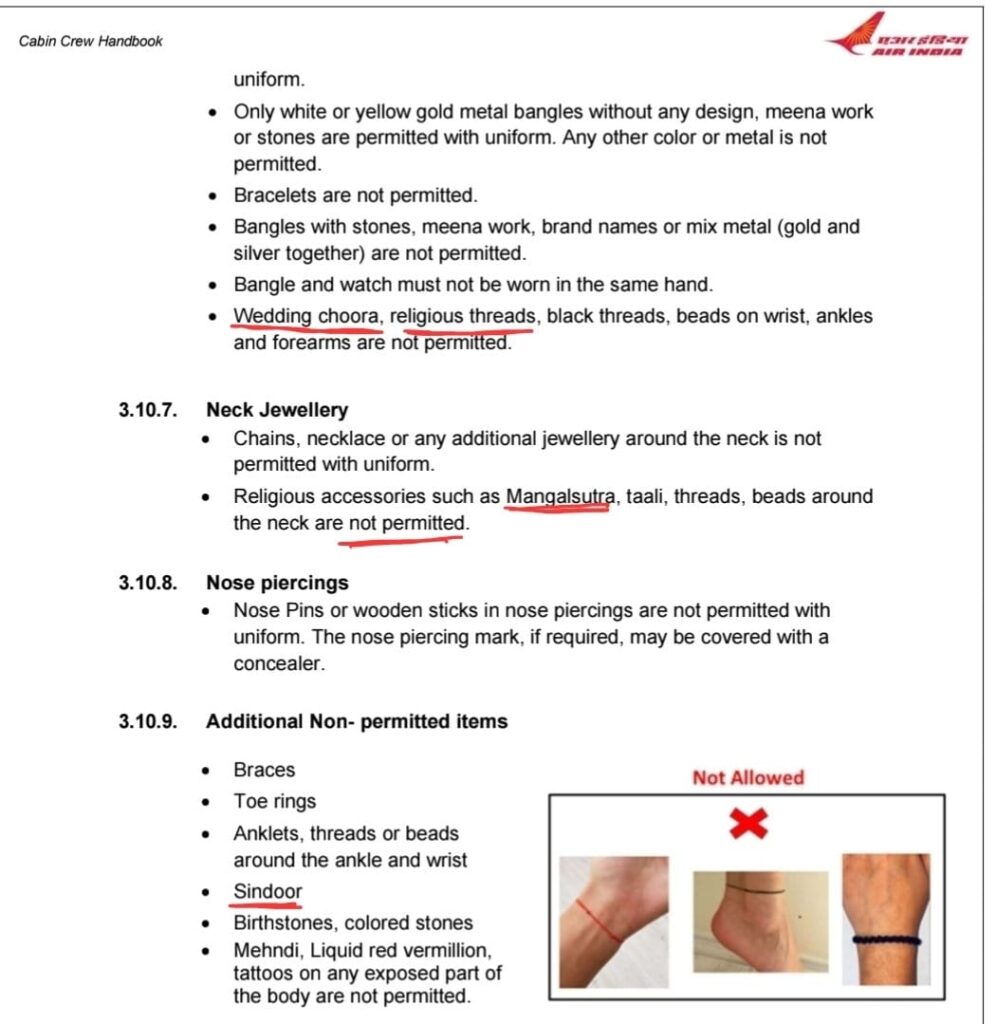
The airline said the screenshots being shared online are from an old manual and that employees are free to wear bindis.
A fresh social media controversy has erupted around Air India after screenshots from what was described as a cabin crew handbook went viral, claiming that traditional symbols such as bindi, sindoor, tilak and kalawa were not permitted while on duty.
The posts triggered strong reactions online, with many users questioning whether corporate grooming policies in India are becoming disconnected from local cultural identity.

Responding to the backlash, Air India issued a clarification. “Air India would like to clarify that its employees have the choice to wear bindi. The images being circulated online are from an older manual that is no longer in use,” an airline spokesperson said.
The debate gathered pace after screenshots were shared widely on X and other platforms. Many users criticised what they described as a Westernised approach to appearance standards, while others said uniform grooming rules are common across international airlines.
One user wrote, “Best is to boycott people/ organisations who disrespect Hindu faith even slightly.”
Another commented, “These rules are typical of any corporates. And some make it pronounced some don’t.”
Some users compared international airline practices. One post said, “Pakistan’s PIA, Qatar Airways, Saudi Arabia’s airline — all Muslim countries have allowed Hijab for air hostess.”
Others argued that visible identity markers should be treated equally across communities. A user wrote, “If a Muslim woman staff is allowed to wear a Hijab or a Sikh man a turban, doesn’t that reveal their religious affiliation?”
The controversy has reopened a broader conversation about how companies should balance professional branding, uniform standards and personal cultural expression in the workplace.
Since its transition under new ownership, Air India has been undergoing a large rebranding exercise that includes new uniforms, upgraded services and revised training standards. Supporters of the airline said older internal documents may not represent present policy.
At present, the airline’s official clarification states that employees are free to wear bindis and that the viral handbook screenshots are outdated.
The online reactions remain divided, but the episode shows how workplace appearance rules can quickly turn into larger cultural debates in India.
Disclaimer: Social media reactions reflect individual opinions. Readers should rely on official statements and verified updates for the latest position.