Alcohol Facts | Why Is a Peg Fixed at 30 or 60 ml? The Meaning Behind the Word “PEG”
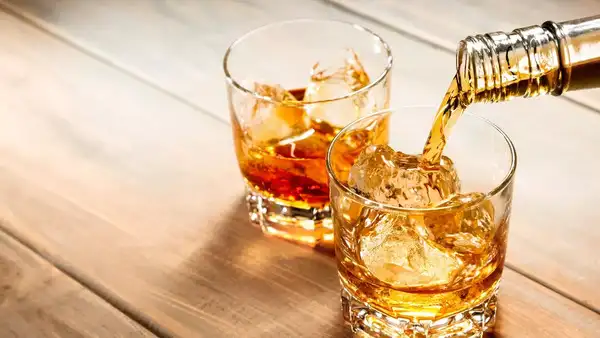
Alcohol Facts | Why Is a Peg Fixed at 30 or 60 ml? The Meaning Behind the Word “PEG”
Walk into any house party, celebration, or casual get-together and you’ll almost certainly hear people asking for a small peg or a large peg. The terms sound casual and familiar, but very few people stop to think about why alcohol is served in these specific quantities or where the word peg actually comes from.
The idea of measuring a drink as 30 ml or 60 ml is not random. Behind this practice lies a mix of history, workplace culture, and human biology that has quietly shaped how alcohol is consumed even today.
The word PEG is believed to have originated as a shortened form of the phrase “Precious Evening Glass.” During earlier times in Britain, coal mine workers spent long hours doing physically exhausting work underground. At the end of the day, they were often given a glass of alcohol to help them unwind and recover from fatigue.

This evening drink was seen as something valuable—almost a reward after a day of intense labor. Because of its importance, it came to be referred to as the Precious Evening Glass. Over time, everyday usage shortened the phrase, and it eventually became known simply as a peg.
Beyond history, science also plays a crucial role in determining how much alcohol is poured into a single peg. Once alcohol is consumed, it enters the bloodstream directly. The responsibility of breaking it down and removing it from the body falls mainly on the liver.
Medical science suggests that a healthy liver can process roughly 30 ml of spirits—such as whisky, vodka, or rum—within one hour. When someone consumes 60 ml of alcohol, the liver typically needs about two hours to fully metabolize it. This is why these measurements are considered standard: they allow the liver enough time to do its job without being overwhelmed.
Exceeding these limits repeatedly can put serious strain on the liver. When alcohol is consumed faster than the body can process it, the risk of conditions like alcohol poisoning increases, making moderation not just advisable but essential.
The peg system itself comes from the British measurement tradition. While India commonly uses liters and milliliters, alcohol measurements were inherited from the British system, where liquids are often measured in ounces. As a result, a small peg is defined as 1 ounce (approximately 30 ml), while a large peg equals 2 ounces (approximately 60 ml). This standard has since spread globally and remains widely accepted, particularly in India.
Ultimately, the familiar 30 ml and 60 ml measures are designed with the human body in mind. The liver functions much like a machine—it works efficiently, but only when given adequate time. Drinking beyond its capacity turns enjoyment into harm. Remembering this balance can make all the difference between responsible indulgence and long-term consequences, reminding us that moderation is not a restriction, but a form of self-care.
Disclaimer: This article is intended for informational purposes only