Bell Peppers Decoded: What Green, Yellow, and Red Really Mean for Your Health
Bell Peppers Decoded: What Green, Yellow, and Red Really Mean for Your Health
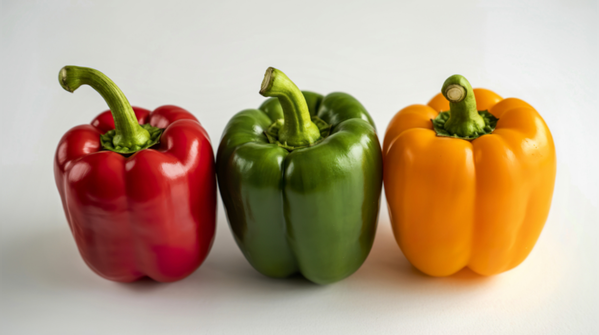
We’ve all seen those neatly stacked bell peppers at the market—green, yellow, and red—and it’s easy to assume the colour is just a cosmetic difference. After all, many foods look different on the outside but stay more or less the same within. Bell peppers, however, tell a very different story. Their colour isn’t just about appearance; it reflects how long they’ve matured, how they taste, and what they offer nutritionally. Starting from green and moving through yellow to red, each stage brings its own unique set of benefits.
Green bell peppers: the fresh beginning
Green peppers are the earliest stage of ripeness. Harvested before they fully mature, they have a firmer texture and a slightly bitter, grassy taste. While they may not be as rich in certain nutrients as their riper counterparts, they still provide fibre, vitamin C, and important plant compounds.

They also come with a practical advantage: lower sugar and calorie content. This makes them a smart choice for those watching their weight or managing blood sugar levels. Their bold, slightly sharp flavour works especially well in savoury dishes like stir-fries, curries, and stuffed preparations. Often more affordable and widely available, green peppers prove that nutrition isn’t always about being the richest source—it’s about fitting into everyday eating habits.

Yellow bell peppers: the balanced middle
As peppers continue to ripen, they turn yellow, developing a milder, slightly sweet flavour. They are softer than green peppers but still hold enough structure for cooking. Nutritionally, they sit comfortably in the middle—offering a good amount of vitamin C and antioxidants without being as intense as red peppers.

Yellow peppers also contain lutein and zeaxanthin, compounds linked to eye health. These nutrients help protect the eyes from harmful light exposure and support long-term vision. Their balanced taste and nutrition make them a versatile option for light sautés, salads, or even quick snacks.
Red bell peppers: the nutrient powerhouse
Red peppers represent full ripeness, and with that comes the biggest nutritional boost. They are sweeter, softer, and richer in key nutrients. In fact, red bell peppers can contain more than double the vitamin C found in green ones. They are also packed with beta-carotene, which the body converts into vitamin A—supporting eye health, skin repair, and immune function.
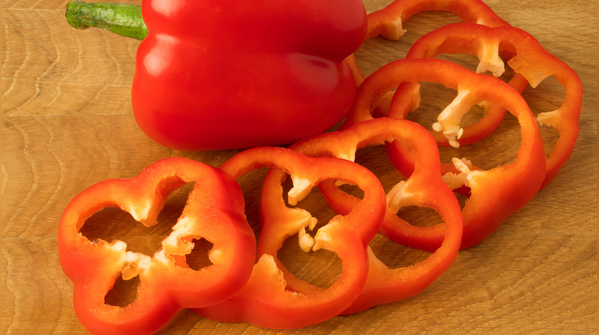
Beyond vitamins, red peppers contain antioxidants like capsanthin, which are linked to reducing inflammation. This combination makes them stand out when it comes to nutrient density. If the goal is to get the most nutrition per bite, red peppers clearly lead the way.
How you eat them matters
The benefits of bell peppers don’t depend only on colour—preparation plays a big role too. Eating them raw helps preserve vitamin C, making salads and fresh snacks a great option. Light cooking, such as roasting or stir-frying, can actually improve the absorption of certain antioxidants like beta-carotene, especially in red peppers. However, overcooking can reduce their overall nutrient value.
A simple approach works best: enjoy red peppers raw in salads or sandwiches, use yellow peppers in quick sautés, and add green peppers to hearty cooked dishes.
So, which one should you choose?
There isn’t a single “best” option. Red peppers offer the highest concentration of nutrients, green peppers support calorie control and affordability, and yellow peppers provide a balanced middle ground.
Instead of choosing one over the others, rotating all three colours is the smartest way to get a wide range of benefits—because when it comes to bell peppers, variety truly makes the difference.
Note: This article is intended for informational purposes only.