Brahma Kamal: The Sacred Flower with Powerful Healing Properties
Brahma Kamal: The Sacred Flower with Powerful Healing Properties
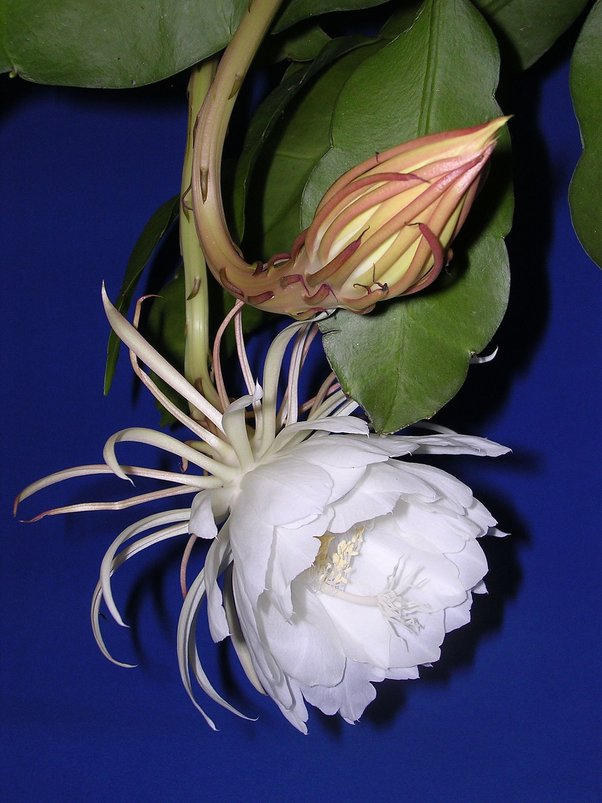
The Brahma Kamalam, a stunning flower native to the Himalayan region, is also known as Saussurea Obvallata and belongs to the sunflower family. This remarkable plant holds deep mythical and religious significance in Hinduism. According to legend, Lord Brahma, the god of creation, meditated while seated on this very flower. Notably, the Brahma Kamal blooms just once a year, and its ethereal beauty can be witnessed for only a single night.
• Know More About Brahma Kamal:
The Brahma Kamal is a rare flowering plant native to the Himalayan region, known for its striking blooms that appear between July and August. This fragrant flower is frequently used in religious ceremonies and is mentioned in numerous ancient texts.
Hindu mythology recounts that the Brahma Kamal emerged from Brahma’s head during the creation of the universe. It is referenced in several hymns of the Rigveda, a sacred Hindu scripture. The flower was also revered by the ancient Greeks and Romans, who linked it with their goddesses of love and fertility.

In both Buddhism and Hinduism, the Brahma Kamal is seen as a symbol of the cosmos. Along with the lotus, Chamara, kumkuma, and nagakeshara, it is considered one of Vishnu’s five sacred flowers, or Pancha-Kamala.
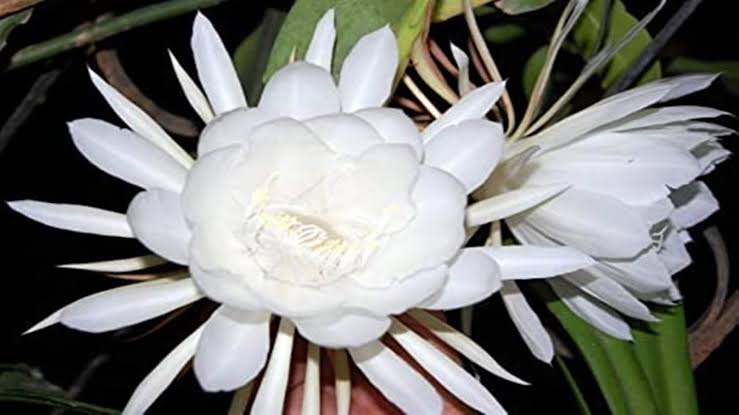
The flower’s full bloom occurs at night, revealing its pearly white petals in a spectacular display. This ephemeral beauty earns the Brahma Kamal its place among India’s most cherished flowering plants.
Symbolizing purity and innocence, the Brahma Kamal is also believed to possess magical properties.
Mythological Stories Associated with the Brahma Kamal Plant:
According to some beliefs, the Hindu God Brahma is credited with creating the Brahma Kamal plant. One story recounts that Brahma was meditating on a lotus flower when he fell asleep. Upon awakening, he discovered that he had transformed into a lotus himself, and thus the flower came to be known as the Brahma Kamal.
In another account, Brahma is said to have used the Brahma Kamal flower to create the universe. Additionally, there is a legend that the god Vishnu used the flower to resurrect his wife, Lakshmi, after a demon had slain her.
The Brahma Kamal is also believed to possess healing properties and is thought to grant wishes and bring good luck.
• The Brahma Kamal Flower Plant used in Ayurvedic Medicine:
In Ayurvedic medicine, the Brahma Kamal flower is valued for its diverse medicinal applications. It is used to address various health issues, including fevers, colds, flu, bronchitis, and asthma. Additionally, the plant is believed to aid in managing anxiety, depression, and insomnia. Its versatility in treating both physical and mental health conditions underscores its importance in traditional Ayurvedic practices.
• The Benefits of the Brahma Kamal Plant:
The Brahma Kamal, also known as the Queen of the Night flower or Lotus of the Dark, is a rare and revered plant with a long history of use. Its medicinal properties have been celebrated for centuries. The Brahma Kamal is traditionally used to address various ailments and is believed to possess anti-inflammatory, antipyretic, diuretic, expectorant, sedative, and tonic qualities. The primary active ingredient in this herb is Saussurea, which imparts its distinctive healing effects. These medicinal attributes contribute to the Brahma Kamal’s reputation as one of India’s most exceptional flowering plants.
Here are some of the most eminent benefits of this white flower that blooms at night.
- The Brahma Kamal is recognized for its effectiveness in treating various skin disorders, including eczema and psoriasis.
- It is also beneficial for healing wounds and burns.
- The plant is believed to possess anti-cancer properties and may aid in the treatment of different types of cancer.
- Additionally, the Brahma Kamal is known to boost immunity and combat infections.
- It is often used in auspicious occasions and ceremonies, reflecting its cultural and traditional significance.