Carbs or No Carbs: Smarter Portions, Better Grains and More Protein Help Prevent Diabetes and Obesity
Carbs or No Carbs: Smarter Portions, Better Grains and More Protein Help Prevent Diabetes and Obesity
Suddenly cutting out wheat rotis and rice may sound like the fastest route to weight loss, but nutritionists warn that the real solution isn’t elimination, it’s balance, quality of carbs, and portion control.
Across India, meals revolve around chapatis, rice, idlis, dosas, upma, pav, poha, puris, pulao and biryani. Though these foods are culturally central, most of them are heavily carbohydrate-dense. Researchers note that the average Indian diet contains 65–70% carbohydrates, far higher than recommended which contributes to rising rates of diabetes, obesity and metabolic disease.
Experts say that rather than abruptly removing staples like rice and rotis, the focus should shift to healthier carb sources, increasing protein and fibre, and preventing reliance on refined grains.
Why Excess Carbohydrates Can Be a Problem
Carbohydrates are essential for brain function and energy, but excess intake especially from refined grains spikes glucose quickly. Over time, this strains insulin sensitivity and can drive weight gain. Doctors recommend reducing carb intake from 70% to about 55%, raising protein to 20%, and balancing fats at 20–24%.

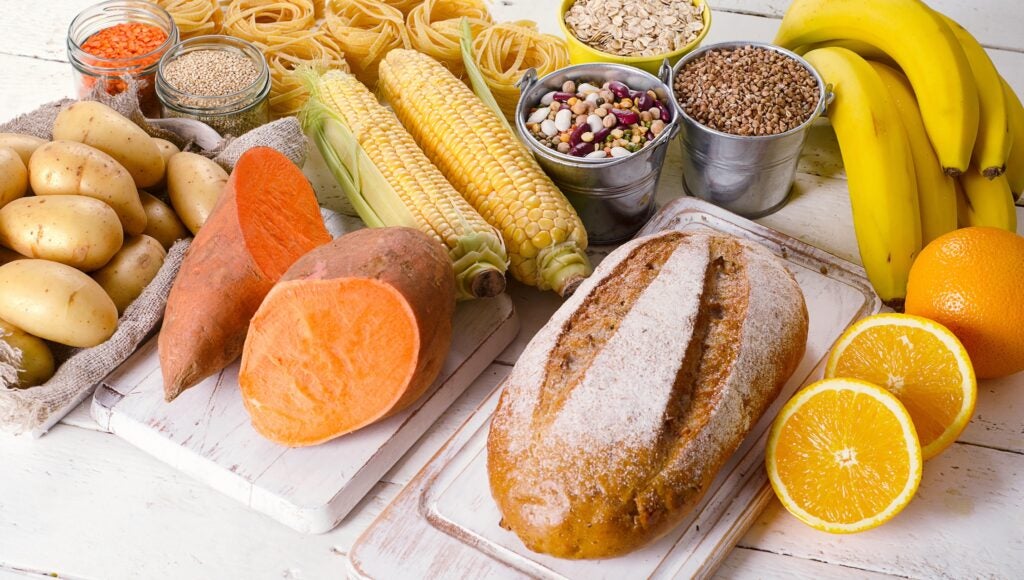
A diet completely free of carbs is neither realistic nor healthy, because the brain needs steady glucose. However, cutting refined and instant carb sources makes a noticeable difference.
Before reducing rice and chapati, experts advise cutting the obvious refined culprits first instant noodles, chips, pakoras, samosas, pizzas, sugary drinks and bakery items.
Healthy Alternatives To Rice And Chapatis
Nutritionists suggest a gradual transition instead of sudden elimination.
Better grain choices include:
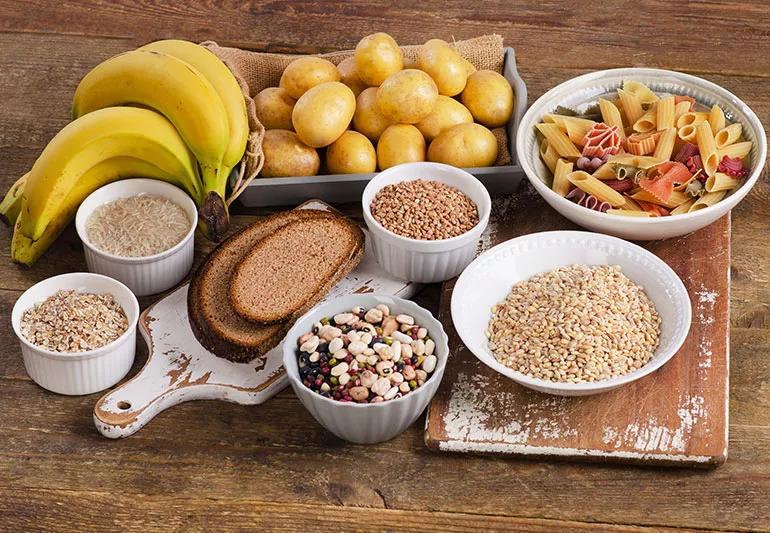
• Jowar, bajra, ragi, nachni, kodo millet, foxtail millet
• Mixed-grain flours instead of only wheat
• Millet or dal-based idlis instead of rice idli
• Vegetable-enriched upma made with millets instead of semolina
These complex carbohydrates digest slowly, avoiding sugar spikes and keeping you full longer.
A Balanced Indian Plate
Instead of a large portion of rice or multiple chapatis, experts recommend protein and fibre forming the bulk of the meal.
A balanced thali could include:
• A small serving of rice or one chapati
• A leafy vegetable
• Dal or rajma or chana
• A portion of fish, chicken, eggs or paneer
• Salad and curd
• Nuts, seeds and seasonal fruits
For vegetarians, chickpeas, kidney beans, peas, soy chunks and paneer add the missing protein.
Evening snacks can be improved with boiled chana, sweet corn, sprouts, green beans or a handful of seeds.
Why Complex Carbs Are Better
While all plant foods have carbohydrates, complex carbs break down slowly, preventing sudden glucose surges.
Examples include:
• Whole grains
• Pulses
• Vegetables
• Millets
• Fruit (natural sugars, not processed)
Refined carbs like potato wafers, maida products and packaged snacks behave very differently inside the body, causing faster spikes.
Who Should Reduce Carbs More?
Nutrition research offers customised guidance:
• Women typically need 2% fewer carbs than men
• Elderly people need 1% fewer carbs and slightly more protein
• People with sedentary lifestyles should cut carbs by an additional 4%
• Regular exercisers can tolerate slightly higher carb intake
Healthy Cooking Oils
Use olive, mustard, sesame, groundnut or rice-bran oil. Minimise ghee, coconut oil, butter and palm oil when trying to control weight and cholesterol.
The Ancestral Rule Still Works
If making major dietary changes feels overwhelming, experts recommend returning to ancestral, traditional diets.
Choose:
• Locally grown grains
• Seasonal fruits and vegetables
• Home-cooked meals
• Fewer packaged foods
• Natural forms of carbs
• Physical activity along with carb consumption
In essence, the goal isn’t to remove rice and chapatis completely, it’s to modernise the Indian diet without losing its roots. Balanced portions, better grain choices, and higher protein make a sharper difference than elimination alone.
Disclaimer: This article provides general informational guidance and should not be considered medical advice. Please consult a qualified healthcare professional for personalised dietary recommendations.