CBI ‘Porn Video’ Email Scam: How Fake Warnings Are Trapping Users Online
CBI ‘Porn Video’ Email Scam: How Fake Warnings Are Trapping Users Online
Emails claiming the CBI has caught recipients watching obscene videos are part of a widespread cyber scam. Here’s how it works and how to stay safe.
A new cyber scam is causing panic among internet users by falsely claiming that the Central Bureau of Investigation (CBI) has caught them watching pornographic content online. The intimidating emails, which threaten legal action and arrest, are designed to scare people into clicking malicious links or paying money to “settle” the matter.
Cyber experts and recent reports have confirmed that these emails are completely fake and have no connection with the CBI or any other government agency.
The scam typically begins with an alarming subject line suggesting that the recipient is under investigation for viewing obscene or illegal content. The email often claims it is an “official court order” or a notice sent on behalf of the CBI, warning that online activity is being monitored. In some cases, users are told to open an attached file or click a link to view “evidence” of the alleged offence.

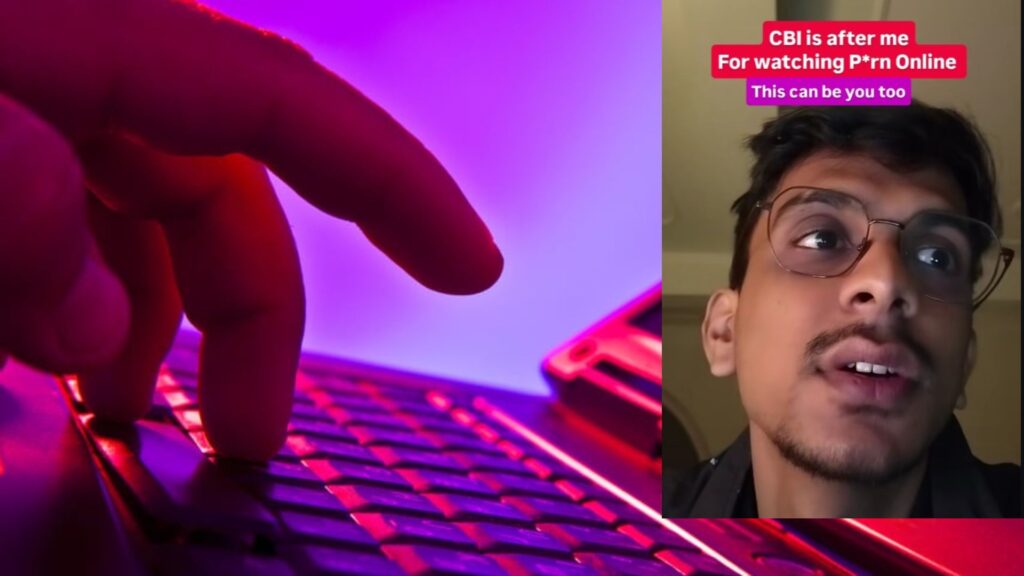
In one such case highlighted online, a software engineer from Gurugram received an email stating that he had been caught watching pornographic videos and that the CBI was tracking his digital activity. Instead of panicking, he carefully examined the email and quickly realised it was a scam.
One of the biggest red flags is the sender’s email address. Government agencies do not use free email services like Gmail or Yahoo. These scam messages often originate from suspicious or random-looking email IDs, which immediately indicate fraud.
Another warning sign is how the email is sent. Many such scam mails are sent using the BCC (blind carbon copy) option, meaning the same message has been sent to hundreds or even thousands of people at once. Official government communication is always addressed directly to the individual and never sent in bulk this way.
Attachments are another major danger. These emails often include files in formats like JPEG or PDF that either do not open properly or appear blank. Downloading such attachments can install malware or ransomware on a device, allowing scammers to steal personal data or lock files until a ransom is paid. Cyber experts strongly advise never opening attachments from unknown or suspicious emails.
The language used in these emails is also a giveaway. Scam messages rely heavily on fear, urgency, and threats. They usually do not include the recipient’s real name or any verifiable personal information. Instead, they use vague accusations and dramatic warnings to pressure people into acting without thinking.
Importantly, law enforcement agencies like the CBI do not send notices through random emails, nor do they threaten arrest or demand payment through digital messages. Any genuine legal communication follows a formal process and is delivered through official channels.
Users who receive such emails are advised not to reply, not to click on any links, and not to download attachments. The safest step is to delete the email immediately and report it as spam. Informing friends and family about such scams can also help prevent others from falling victim.
As digital fraud continues to rise, awareness remains the strongest defence. Staying alert, checking email details carefully, and resisting panic-driven decisions can help users stay protected in an increasingly risky online environment.