Chicken, Mutton, or Fish: Which One Really Delivers More Protein?

Chicken, Mutton, or Fish: Which One Really Delivers More Protein?
When planning a protein-rich meal, many people find themselves choosing between chicken, mutton, and fish. Each of these foods has a strong nutritional reputation, but they are not equal in terms of protein content, fat levels, calories, and how easily the body digests them. Understanding these differences can help you select the option that best suits your fitness goals, health needs, and taste preferences. Below is a detailed and easy-to-understand comparison of all three.
Chicken (Skinless, Boneless Breast)
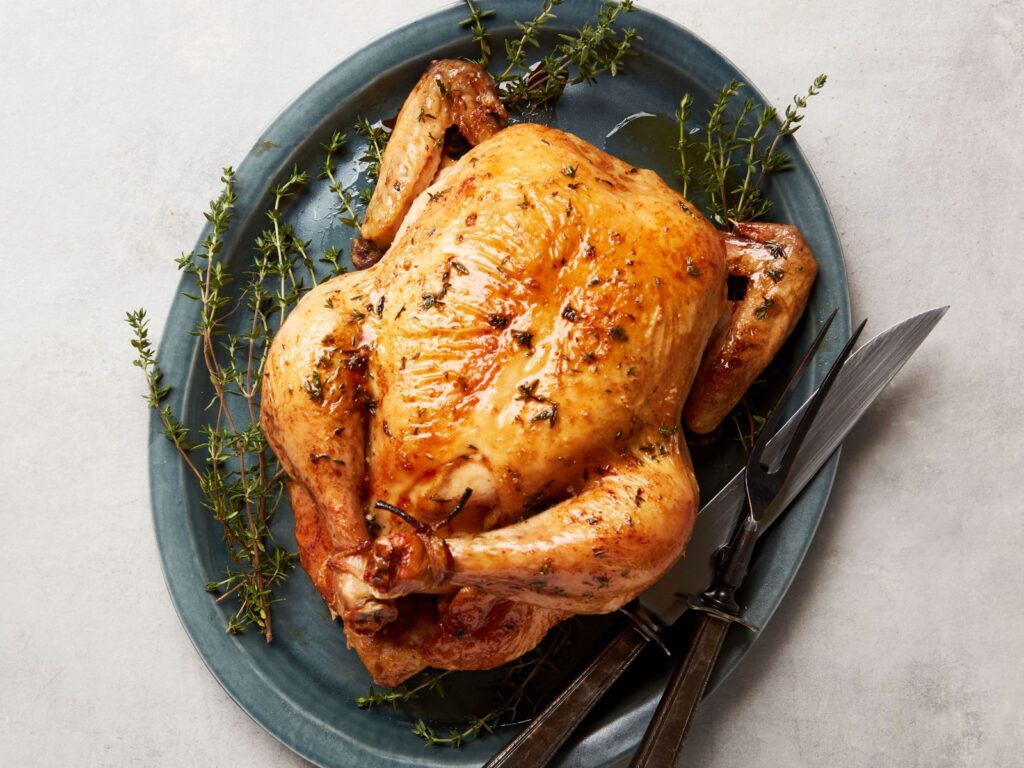
Chicken breast is widely considered one of the best sources of lean protein. A 100-gram serving of skinless, boneless chicken breast provides around 31 grams of protein, making it the highest among the three options. What makes chicken especially popular is its low fat content when prepared without skin. This allows you to consume a high amount of protein without significantly increasing calorie intake, which is ideal for muscle building, weight management, and active lifestyles.

Mutton (Goat or Lamb)
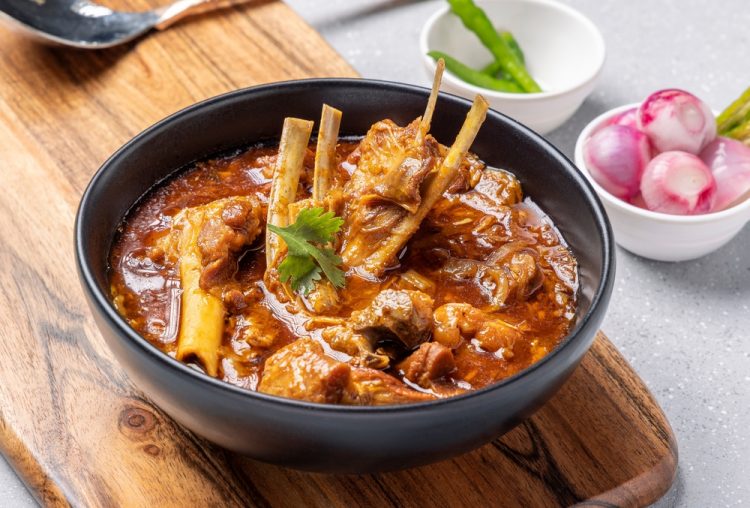
Mutton, which usually refers to goat or lamb meat, contains slightly less protein than chicken but still offers a substantial amount. A 100-gram serving typically provides about 25–27 grams of protein. However, mutton is naturally richer in fat, which makes it more calorie-dense. While this richness adds flavor and provides energy, it also means mutton is heavier and not as lean as chicken or most fish. Because of this, it is often enjoyed in moderation, especially by those watching their calorie intake.
Fish (Depends on the Variety)
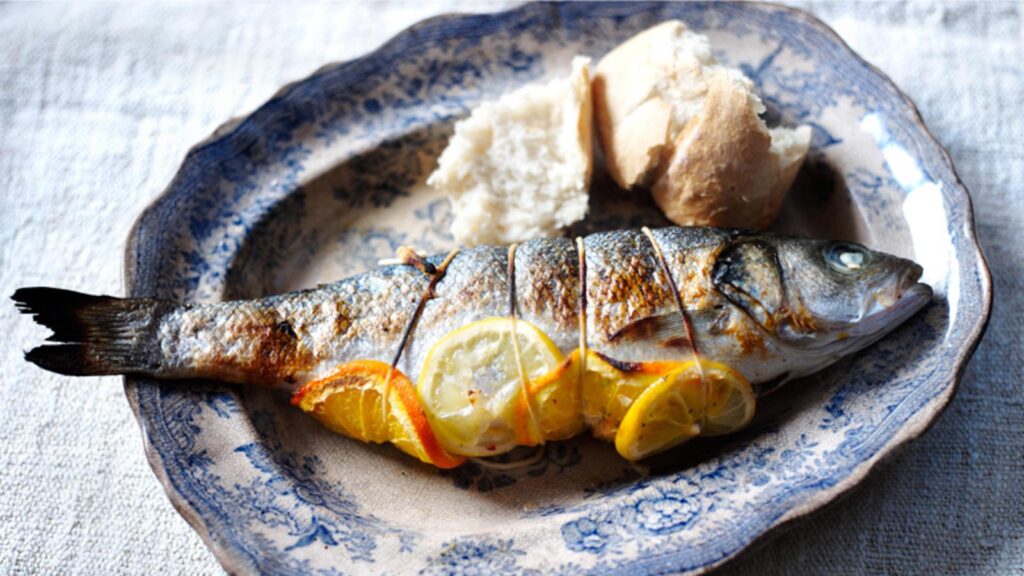
Fish is another excellent protein source, though the exact amount depends on the type. Common varieties such as salmon and tuna provide roughly 20–25 grams of protein per 100 grams. Beyond protein, fish stands out for its nutritional benefits, especially its omega-3 fatty acids, which support heart health, brain function, and overall well-being. This combination of quality protein and healthy fats makes fish a valuable part of a balanced diet.
Digestibility and Ease on the Stomach
When it comes to digestion, fish often takes the lead. It is generally lighter and easier for the body to break down compared to chicken and mutton. This makes fish a suitable option for people with sensitive digestion, those recovering from illness, or anyone following a lighter diet. Chicken is moderately easy to digest, while mutton tends to be heavier and may take longer to process.
Calories vs. Protein Efficiency
Looking at how much protein you get per calorie consumed, chicken breast has a clear advantage. Its low fat content results in fewer calories while still delivering a high protein dose. Mutton, on the other hand, contains more fat, which increases its calorie count. Fish falls somewhere in between, depending on whether it is a lean variety or a fattier one like salmon.
Quality of Protein
All three—chicken, mutton, and fish—provide complete proteins, meaning they contain all the essential amino acids your body needs. Chicken is often chosen for clean, lean muscle support. Fish adds the benefit of healthy fats along with protein, while mutton offers richness and energy due to its higher fat content.
Best Choice for a High-Protein Diet
If your primary goal is to maximize protein intake while keeping fat and calories low, chicken breast is the top choice. Fish, especially lean types, comes next and offers additional health benefits from omega-3 fats. Mutton, while nutritious and flavorful, is best consumed occasionally because of its higher fat content.
Each of these protein sources has its own strengths. Chicken excels in lean protein, fish balances protein with heart-healthy fats, and mutton provides richness and energy. The best choice ultimately depends on your dietary goals, digestion, and personal preference. Including a variety of these proteins in your meals can help ensure balanced nutrition while keeping your diet enjoyable and satisfying.
Disclaimer: The information provided in this article is intended for general informational only.