Constant Desk Work and Delayed Bathroom Breaks: The Hidden Bladder Health Risk in Modern Offices
Constant Desk Work and Delayed Bathroom Breaks: The Hidden Bladder Health Risk in Modern Offices
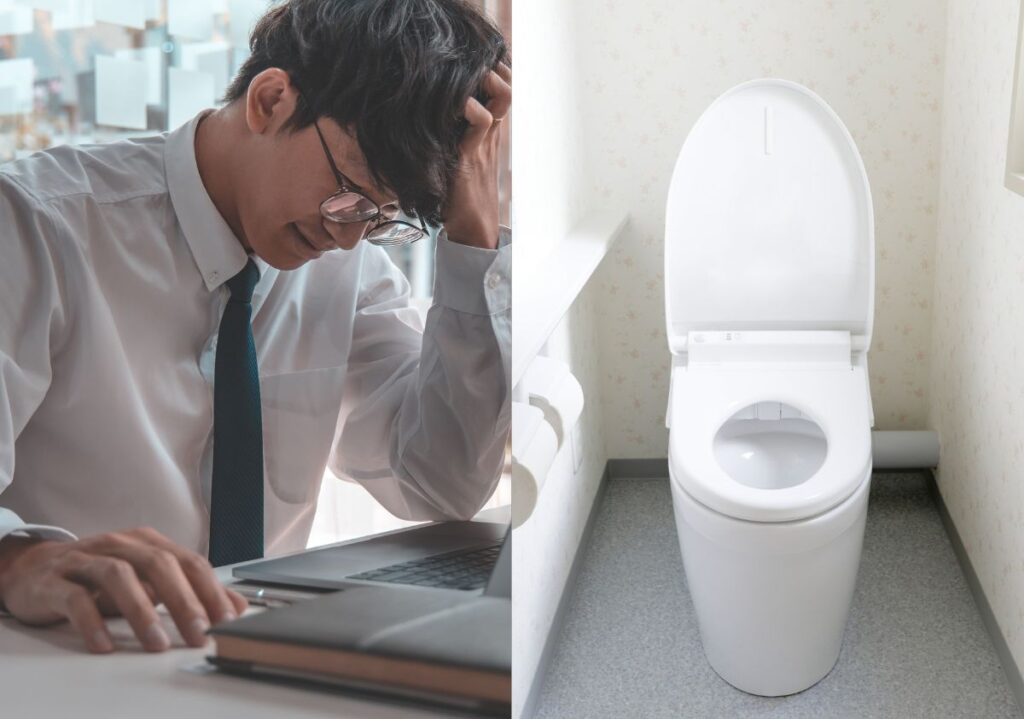
In today’s digital work culture, most professionals spend their entire day glued to laptops, attending back-to-back meetings, or replying to endless emails. While the harmful effects of long sitting hours on posture, weight, and stress are widely discussed, one major issue often goes unnoticed, bladder health. Many employees, knowingly or unknowingly, hold in their urine for hours, ignoring nature’s call just to finish one more email or meeting.
How Desk Jobs Affect Bladder Health
Spending long hours sitting without movement can silently affect the urinary system. Sitting for too long weakens the muscles of the core, pelvis, and abdomen, all of which are important for proper bladder function. When these muscles become inactive, blood flow in the pelvic area slows down, affecting how well the bladder can contract and empty itself.

This can lead to several problems, such as the frequent urge to urinate, leakage, or a feeling that the bladder never empties completely. Some people may even start experiencing mild pain or discomfort, which they often ignore.
Why Holding Pee Can Be Dangerous
Many people avoid using the washroom on time, especially during long meetings or office hours, because they don’t want to be seen as unproductive. But holding urine for too long can be harmful. It stretches the bladder beyond its normal capacity and weakens the bladder muscles over time.
Doing this regularly can cause urinary retention, when the bladder doesn’t empty fully even after urinating. In some cases, urine can even flow back toward the kidneys, which may cause infections or kidney damage if ignored for long.
Signs That You’re Ignoring Your Bladder’s Warning
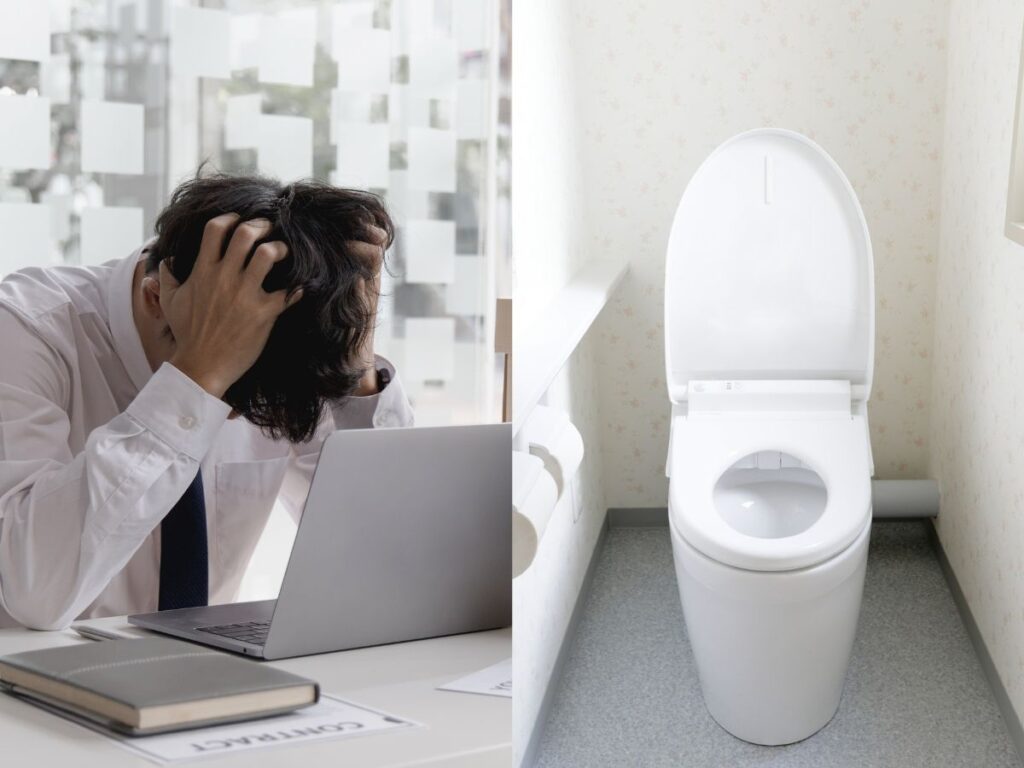
Most bladder problems start slowly and show subtle signs. Common warning signs include needing to urinate more than eight times a day, a sudden and strong urge to pee, pain or burning during urination, cloudy or smelly urine, and pressure in the lower abdomen. These may look minor at first, but ignoring them can lead to bigger issues like urinary tract infections (UTIs) or even chronic bladder pain.
Side Effects of Holding Urine for Too Long
Holding pee for long periods can cause several problems:
- Bladder stretching: When the bladder stretches too much, it weakens and can’t push urine out completely.
- Increased risk of UTIs: The longer urine stays in the bladder, the more time bacteria get to multiply, leading to infections.
- Kidney damage: In rare cases, urine may backflow into the kidneys, leading to infections or kidney damage over time.
- Pelvic muscle damage: The muscles that control urine flow can weaken, leading to leakage or difficulty holding urine.
- Bladder stones: When urine stays in the bladder too long, minerals can form stones, causing pain and blockage.
Simple Habits to Keep Your Bladder Healthy
Maintaining bladder health doesn’t require big changes, just a few daily habits can make a huge difference. Drink at least 1.5 to 2 liters of water daily, but avoid overdoing caffeine, cola, or artificial sweeteners, as these can irritate the bladder. Take regular bathroom breaks instead of waiting for hours, and make it a rule to stand or walk for a few minutes every hour.
Simple pelvic stretches or movements during the day can help strengthen muscles and improve blood flow in the lower body. Also, avoid constipation, as a full bowel can put pressure on the bladder and make urinary symptoms worse.
Why Bladder Health Deserves More Attention
Bladder wellness might not seem as urgent as other health issues, but it directly impacts comfort, confidence, and focus at work. Ignoring it for productivity’s sake can lead to long-term discomfort and even medical complications. Listening to your body and responding on time is one of the simplest yet most important acts of self-care.
So, the next time you think of holding your pee a little longer, think again, your bladder will thank you later.
Disclaimer: This article is for general informational purposes only. It is not a substitute for professional medical advice. Always consult a healthcare professional for any symptoms or health concerns.