Cooking Oil Prices Set to Dip as Centre Slashes Import Duty on Crude Edible Oils
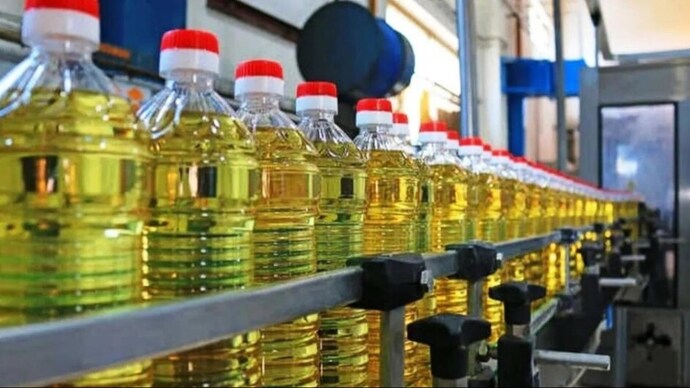
Major Push Towards Edible Oil Self-Reliance: India Targets “Atmanirbharta” With 7-Year Mission To Cut Massive Imports
As May winds down, households across India may soon feel a bit of financial relief in their kitchens. In a strategic move aimed at curbing the soaring prices of edible oils, the Central Government has decided to cut import duties on crude edible oils by half—offering a much-needed respite to consumers who have been grappling with high grocery bills since the onset of the COVID-19 pandemic.
The new policy, which took effect following an official notification issued on Friday, reduces the basic customs duty on crude palm oil, crude soybean oil, and crude sunflower oil from 20% to 10%. With the addition of other levies like the Agriculture Infrastructure and Development Cess (AIDC) and Social Welfare Surcharge, the overall import duty now stands at 16.5%, down from the earlier 27.5%.
Why This Move Matters

India relies heavily on edible oil imports—meeting around 50% of its total demand through overseas purchases. With edible oil inflation reaching 17.4% year-on-year, and certain oils like mustard rising to ₹170 per litre (a 25% increase), this policy shift comes at a crucial time. Over the past months, palm oil prices surged by 34%, sunflower oil by 30%, and soybean oil by 18%, further squeezing household budgets.
Several global developments have fueled this price hike. The Russia-Ukraine conflict has disrupted the supply of sunflower oil, extreme weather conditions in Brazil and Argentina have damaged soybean harvests, and Indonesia and Malaysia—two of the largest palm oil exporters—have introduced export restrictions, further tightening global supply.
Protecting Local Industry While Helping Consumers
While the government is opening the gates for cheaper crude oil imports, it has kept the import duty on refined oils unchanged at 35.75%. This is a calculated move to safeguard the interests of domestic refiners, who had raised concerns over the rising influx of cheaper refined oils—particularly refined palm oil, which was being imported more than crude due to pricing advantages.
By increasing the duty gap between crude and refined oils to 19.25%, the government aims to encourage domestic refining, offering a boost to both small and large processors. This differential is seen as a win-win: it will lower consumer prices while reviving domestic edible oil processing industries.
Industry Voices Welcome the Move
The government’s decision has received a warm response from major industry stakeholders. B.V. Mehta, Executive Director of the Solvent Extractors’ Association of India (SEA), emphasized that this step will help bring retail prices down, making daily cooking oils more affordable for the average Indian family. The Indian Vegetable Oil Producers’ Association (IVPA) has also lauded the initiative, calling it a balanced approach to tackle inflation without undermining domestic capabilities.
This well-timed decision is expected to reduce edible oil prices by nearly 10% in the coming weeks. It represents not just a tactical response to inflation but also a gesture of empathy towards millions of Indian households. As the global supply chain remains unpredictable, measures like these reflect the government’s commitment to protect both consumers and domestic industries in uncertain times.