Delhi Bans Coal Tandoors as AQI Worsens, Restaurants Forced to Rethink Signature Flavours
Delhi Bans Coal Tandoors as AQI Worsens, Restaurants Forced to Rethink Signature Flavours
With air quality slipping into ‘very poor’ levels, the Delhi government’s crackdown on coal and firewood use is reshaping how the city cooks its iconic tandoori food.
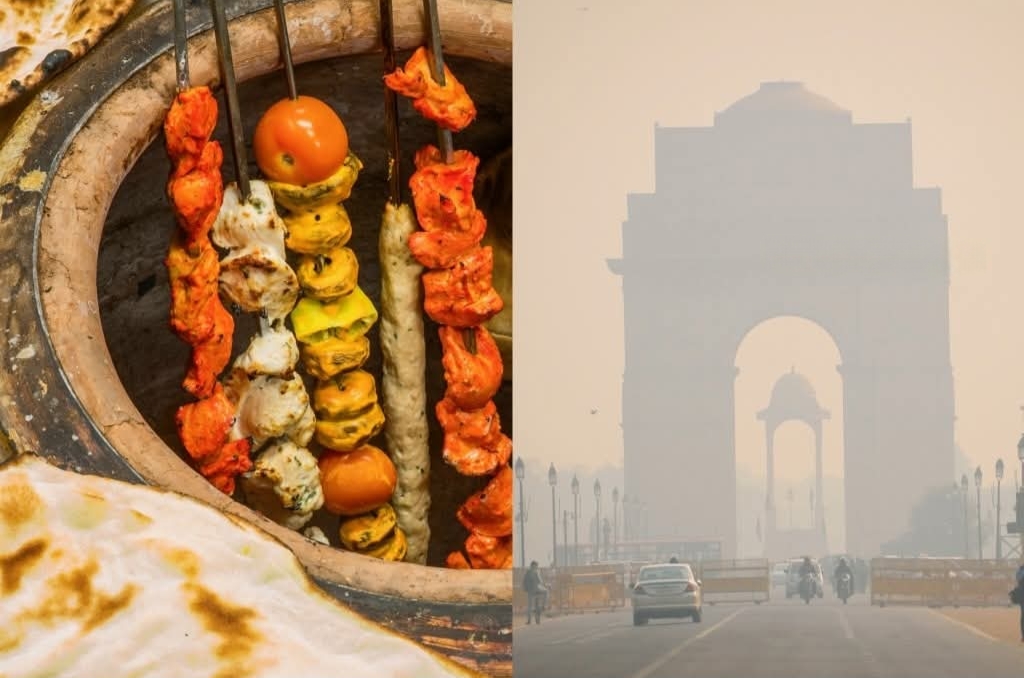
As Delhi’s air quality continues to deteriorate, the city’s battle against pollution has entered kitchens across the capital. The Delhi government has imposed a complete ban on coal and firewood tandoors, as well as all forms of open burning, in restaurants, hotels, dhabas and street-side food outlets. The move comes amid rising AQI levels and is aimed at cutting local emissions during peak pollution periods.
The directive, issued by the Delhi Pollution Control Committee (DPCC), is part of the Graded Response Action Plan (GRAP) and is enforced under the Air (Prevention and Control of Pollution) Act, 1981. Under the order, eateries have been instructed to immediately switch to cleaner alternatives such as electric or gas-based tandoors. Municipal authorities and district officials have been asked to carry out inspections to ensure strict compliance.
Chief Minister Rekha Gupta, while announcing the measures, underlined the public health imperative behind the decision. “We humbly request all citizens not to burn waste in the open. Your small cooperation can bring about a big change,” she said in a post on X. The order empowers civic bodies, including the Municipal Corporation of Delhi (MCD), to impose fines of up to ₹5,000 on violators.

For Delhi’s food industry, however, the ban has triggered urgent adjustments. Coal-fired tandoors are central to the taste and texture of many North Indian dishes, from tandoori rotis and naans to kebabs and roasted vegetables. Restaurant owners say replacing these traditional heat sources is not just a technical shift but a culinary challenge.
Several eateries have begun experimenting with electric and gas tandoors, while others are reworking cooking times, marinades and techniques to preserve familiar flavours. Chefs acknowledge that while cleaner alternatives are more environment-friendly, replicating the smoky char of a coal tandoor is difficult and may alter the final taste.
Officials say the ban is necessary to curb localised pollution sources that significantly contribute to winter smog. The DPCC has reminded enforcement teams that the fuel list approved by the Commission for Air Quality Management (CAQM) allows only cleaner fuels, and any deviation will invite penalties.
As inspections intensify, Delhi’s food businesses are bracing for higher operational costs and a period of experimentation. While concerns remain over the impact on traditional cooking styles, authorities maintain that the measures are essential to protect public health during hazardous pollution episodes.