Do You Toss the Yolk Thinking It’s Unhealthy? A Cardiologist With 40 Years of Experience Explains Why Whole Eggs Matter
Do You Toss the Yolk Thinking It’s Unhealthy? A Cardiologist With 40 Years of Experience Explains Why Whole Eggs Matter
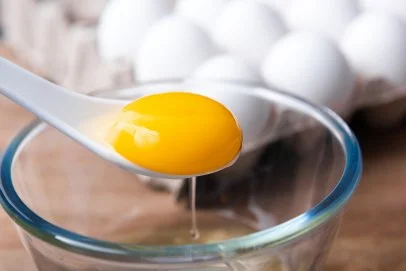
We all do this with food sometimes. We order a burger but scrape off the lettuce. We eat pizza and leave the crust. We scoop out bits we think are unnecessary or “bad” and keep only what feels safe. Eggs often meet the same fate. Many people crack an egg, separate the white, and quietly discard the yolk—believing they’ve made a healthier choice.
But what if that golden centre you’re avoiding is actually the most valuable part?
According to Dr Alok Chopra, a cardiologist and functional medicine expert with more than four decades of experience, skipping the egg yolk may be doing your body more harm than good.

Egg whites are widely praised for being high in protein and low in calories, which is why they’re popular among fitness enthusiasts and those trying to lose weight. However, Dr Chopra points out something most people don’t realise: egg white, when eaten on its own, can act as an inflammatory protein.
In simple terms, the egg is designed to be eaten as a complete food. When you remove the yolk, you’re no longer consuming it in its natural, balanced form. “The egg becomes a whole food only when combined with the yolk,” the cardiologist explains. That balance is what makes eggs one of the most nutritious foods available.
Egg yolks have long been criticised mainly because they contain cholesterol. Over time, this led to the belief that yolks are bad for the heart and should be avoided. Dr Chopra strongly disagrees with this idea.
Yes, egg yolks do contain cholesterol—but that’s only part of the story. What’s often ignored is that the yolk holds the majority of the egg’s nutrients. Compared to egg whites, the yolk is far richer in vitamin A, vitamin E, and omega-3 fatty acids. These nutrients play an important role in eye health, immunity, brain function, and reducing inflammation in the body.
By removing the yolk, you’re essentially throwing away the most nutrient-dense portion of the egg.
Cholesterol itself has been misunderstood for decades. Dr Chopra highlights that cholesterol is not the enemy it’s often portrayed to be. “It’s essential for cell structure, hormone production, brain function, and a healthy immune system,” he says. He also points out an important fact many people don’t know: around 85% of the cholesterol in our body is produced naturally by the liver, regardless of what we eat. Dietary cholesterol plays a much smaller role than people assume.
“Contrary to popular belief,” the cardiologist stressed, “cholesterol is not the cause of heart disease. That is surprising to everybody. Cholesterol is made in our bodies. In fact, 85% of it is made in the body, and God would never do something wrong. And at the same time, cholesterol has about 16 major jobs to play. So how can it be bad?”
Eggs are one of the most versatile, affordable, and nourishing foods available. When eaten whole, they provide high-quality protein, essential fats, vitamins, and minerals that work together to support overall health. Separating the yolk from the white disrupts that natural balance. Unless advised otherwise by a healthcare professional, there’s little reason for most people to fear egg yolks when consumed in moderation.
Sometimes, in our effort to eat “clean” or “healthy,” we remove parts of food that were never meant to be separated in the first place. The egg yolk is a perfect example. Far from being harmful, it completes the egg and delivers nutrients your body genuinely needs.
Instead of tossing the yolk aside, it may be time to rethink old food myths and start enjoying eggs the way nature intended—whole, balanced, and nourishing.
Note: This article is for informational purposes only and does not replace professional medical advice. Always consult your doctor or healthcare provider for personalised guidance.