Does Alcohol Really Expire? How Long Can You Safely Drink It After Opening?
Does Alcohol Really Expire? How Long Can You Safely Drink It After Opening?
When it comes to alcohol, there’s a popular belief that “the older, the better.” From classic movie quotes to late-night conversations with friends, aged whiskey and old rum often get praised like rare treasures. But how true is that really? Does alcohol genuinely improve over time—or can it actually go bad? More importantly, once you’ve opened a bottle, how long is it safe to drink?
Let’s dive into the facts with expert insights from Sanjay Ghosh, popularly known as Dada Bartender, founder of the YouTube channel Cocktails India. He breaks down which types of alcohol are long-lasting, which can expire, and how to store them correctly for the best taste and safety.
Not All Alcohol Lasts Forever
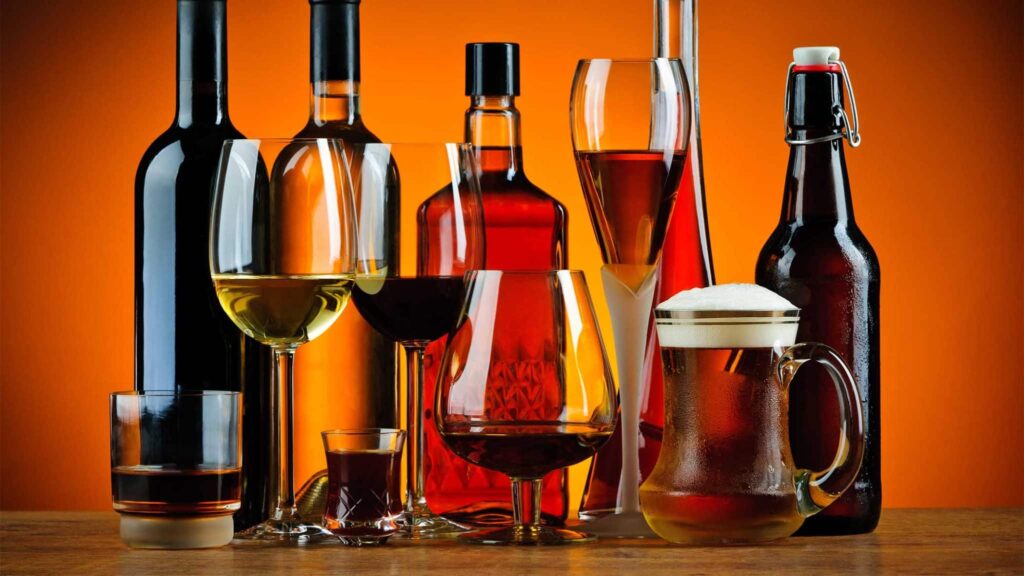
If you’re talking about hard liquors like vodka, whiskey, tequila, rum, or gin, here’s the good news: they don’t really expire—as long as the bottles remain sealed and are stored correctly. These spirits contain a high percentage of alcohol, which acts as a natural preservative. You can keep them unopened for years—even decades—and they’ll still be safe to drink.
But that’s not the case with wine and beer, which are far more fragile. These alcoholic drinks do have a shelf life, and improper storage—or simply time—can cause them to spoil.
Why Wine and Beer Expire, But Spirits Don’t
The key difference lies in alcohol content. Wines and beers have relatively low alcohol percentages, making them more vulnerable to spoilage. Here’s how it works:
Wine typically contains around 12–15% alcohol. An unopened bottle of wine can last up to five years (depending on the variety and storage), but once opened, it starts to oxidize quickly. You should ideally finish an open wine bottle within 5 to 6 days, or it’ll begin to lose its flavor and aroma—and may even go sour.
Beer is even more sensitive, with just 4–8% alcohol. Once opened, it starts losing carbonation and flavor within a few hours. If left open or improperly sealed, it will turn flat and stale, and become undrinkable within a few days due to oxidation and microbial activity.
In short, the lower the alcohol, the shorter the shelf life—especially after opening.
What Happens When You Open a Bottle of Spirits?
While spirits like whiskey, vodka, rum, gin, and tequila don’t spoil the same way beer or wine does, opening the bottle does begin a slow change in taste and quality. Once the seal is broken, oxygen starts mixing with the alcohol, which gradually impacts the aroma and flavor.
Sanjay Ghosh advises that although these spirits won’t go bad, it’s best to consume them within one year of opening to enjoy their full flavor profile. A nearly empty bottle allows more air inside, which accelerates oxidation and can flatten the flavor over time.
What About Aged Whiskey?
It’s worth noting that aged whiskey is a different story. Unlike wine, whiskey doesn’t age further once bottled. The aging process happens in wooden barrels over years before it reaches the bottle. The longer it matures in those barrels, the richer and more complex the flavor becomes. That’s why aged whiskeys are often more expensive—they’re matured to perfection before bottling, not after.
So, What Should You Remember?
- Sealed spirits (vodka, rum, whiskey, etc.) can last for decades if stored well.
- Opened spirits should ideally be consumed within 12 months for the best flavor.
- Wine should be finished within 5–6 days of opening.
- Beer spoils within a few days, or even hours, once opened.
- Storage matters: keep bottles away from heat, light, and air to preserve quality.
Just because a drink is alcoholic doesn’t mean it’s immortal. Whether you’re stocking up a home bar or sipping something slowly, it helps to understand how each type of alcohol behaves over time. With a little care and the right knowledge, you can make sure every glass you pour tastes just the way it should—delicious and safe.