Does Your Smartphone Really ‘Expire’? Most Users Don’t Know This

Does Your Smartphone Really ‘Expire’? Most Users Don’t Know This
Many people replace phones assuming they stop working after a few years, but experts say smartphones don’t truly “expire” — they gradually lose efficiency instead.
Smartphones have become an essential part of daily life, with most users relying on them for communication, work, payments and entertainment. Yet a widespread belief persists that mobile phones have a fixed “expiry date” and must be replaced after two or three years. Technology experts say this assumption is misleading. Phones do not suddenly expire instead, their performance slowly declines due to a combination of hardware wear, battery ageing and software demands.
According to industry observations, a new smartphone typically delivers peak performance for the first two to three years. After this period, users may notice slower speeds, shorter battery life and occasional heating issues. This gradual decline often creates the impression that the device has reached the end of its life, even though it may still be fully functional.
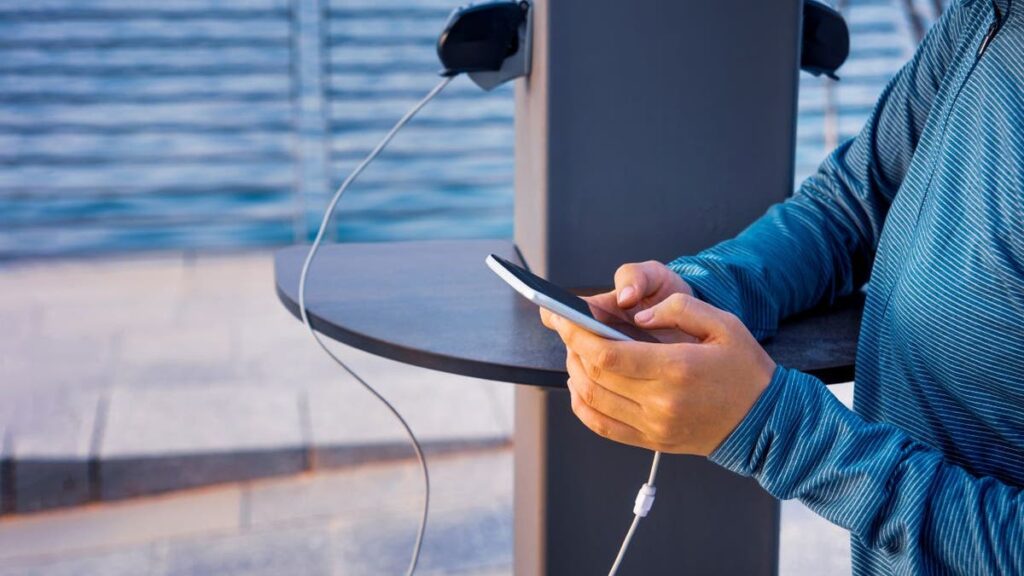
One of the biggest factors behind this perception is battery degradation. Most smartphones use lithium-ion batteries, which are designed to retain optimal capacity for around 500 to 800 full charge cycles. Over time, the battery’s ability to hold charge reduces, leading to quicker drain and more frequent charging. As battery health declines, overall device performance may also be affected, especially during heavy usage.

Software updates play another important role. New operating system updates are designed to support the latest hardware and advanced features. When these updates are installed on older devices, they can place additional strain on processors and memory that were not designed for such workloads. As a result, apps may open more slowly, multitasking may suffer, and storage may fill up faster due to larger system files and app data.
Heating is another common issue in ageing smartphones. Tasks such as gaming, video recording, prolonged video calls or continuous social media use can cause older devices to heat up more quickly. Excessive heat can further impact battery life and internal components, accelerating wear and tear.
Despite these changes, experts emphasise that a phone becoming slower does not mean it has “expired”. Many devices continue to function reliably for four to five years or longer, especially if they are used carefully. Simple steps such as replacing the battery, clearing unused apps and files, reducing background processes, and avoiding unnecessary heavy usage can significantly extend a phone’s usable life.
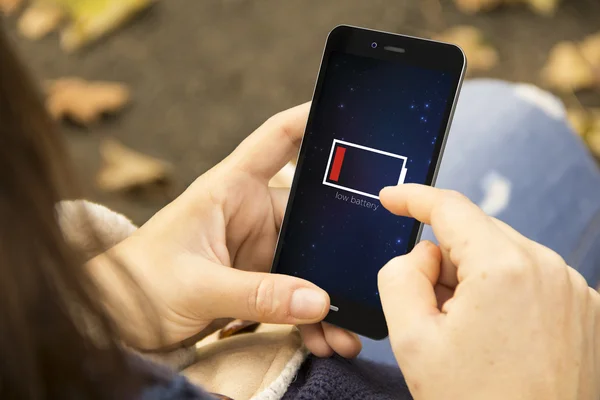
However, there are situations where replacement becomes advisable. If a device no longer receives security updates, struggles to run essential apps, overheats frequently, or shuts down unexpectedly, it may pose safety and data-security risks. In such cases, upgrading to a newer model can be a practical decision.
Technology specialists point out that the idea of a smartphone expiry date is more psychological than technical. Manufacturers do not set an official expiration timeline for devices. Instead, phones age gradually, and their lifespan largely depends on usage habits, charging practices, software support and maintenance.
As awareness grows, consumers are being encouraged to make informed choices rather than replacing devices prematurely. Understanding how smartphones age can help users save money, reduce electronic waste and get the most value out of their devices before deciding it is truly time for an upgrade.