Five Forgotten Indian Fruits Worth Rediscovering on Your Next Market Visit
Five Forgotten Indian Fruits Worth Rediscovering on Your Next Market Visit
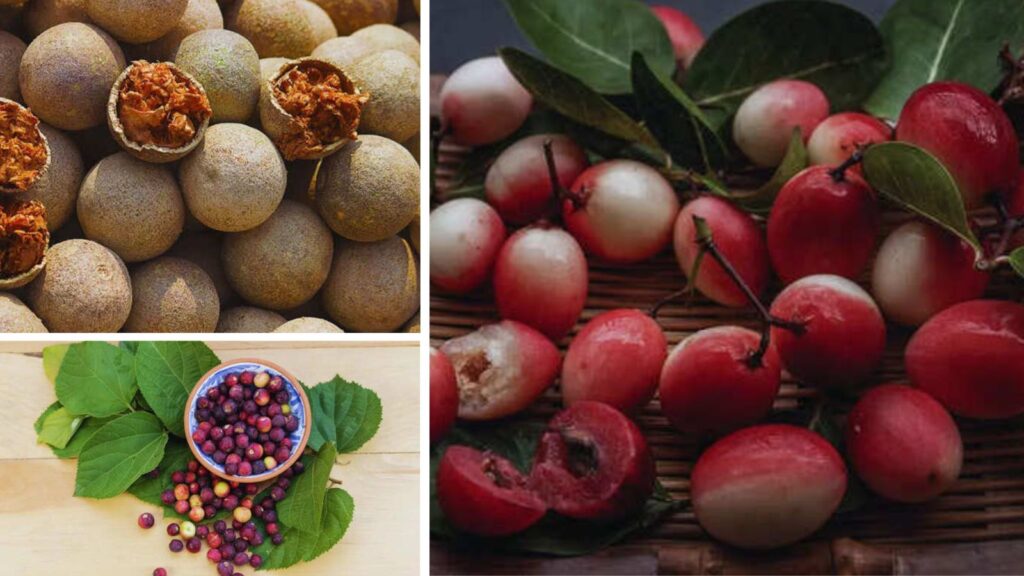
We often fill our baskets with familiar fruits like apples, bananas, mangoes, and oranges. But beyond these regular choices lies a fascinating variety of native Indian fruits that were once a staple in our kitchens. Packed with flavour and nutrition, these fruits have deep cultural roots — yet many have quietly disappeared from our markets over time, replaced by more commercial options.
It might be time to bring them back — not just for their taste, but for their heritage and sustainability.
Bael (Wood Apple)
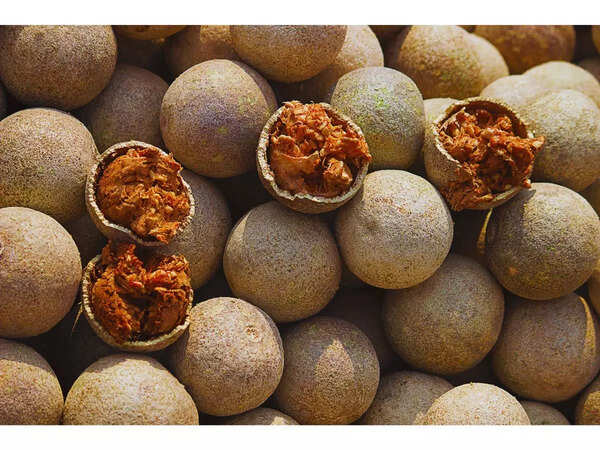
One of India’s oldest fruits, bael is prized in Ayurveda for its cooling and digestive properties. Its hard shell and fibrous pulp make it a bit tricky to use, but the effort pays off in the form of delicious bael sherbet — a traditional summer drink.

Why it’s forgotten: The tough outer shell and messy pulp extraction make it inconvenient for everyday use.
Phalsa

These small, purple berries are a summer favourite in many small towns, where they’re turned into refreshing sherbets. Rich in antioxidants and great for digestion, phalsa is a natural remedy for heat exhaustion.
Why it’s forgotten: Its short harvest season and delicate nature make it hard to transport and store, so it rarely reaches urban fruit markets.
Karonda
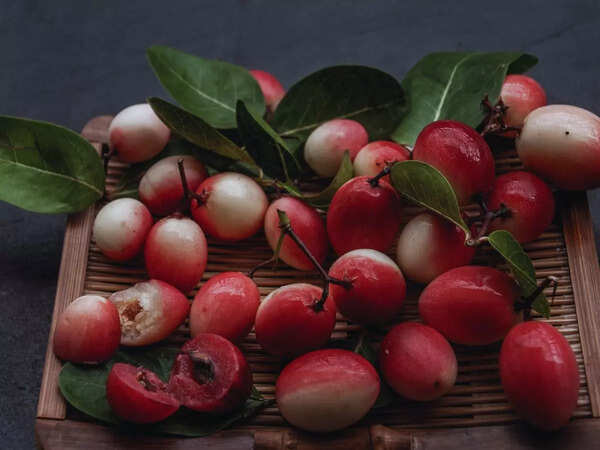
Tangy and rich in vitamin C and iron, karonda is often used in traditional pickles and chutneys. It thrives in dry regions and adds a sharp, distinctive flavour to home-cooked dishes.
Why it’s forgotten: Its sour taste and small size limit its commercial appeal, keeping it out of mainstream markets.
Ramphal
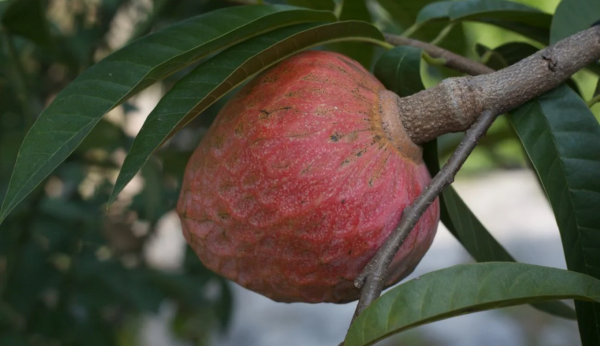
A close relative of the custard apple, ramphal has a soft, creamy texture and a naturally sweet flavour. Often enjoyed fresh or with a drizzle of honey, it’s also known in traditional medicine for its health benefits.
Why it’s forgotten: Its extremely short shelf life makes it difficult to sell beyond local areas.
Lasoda (Nisoda)
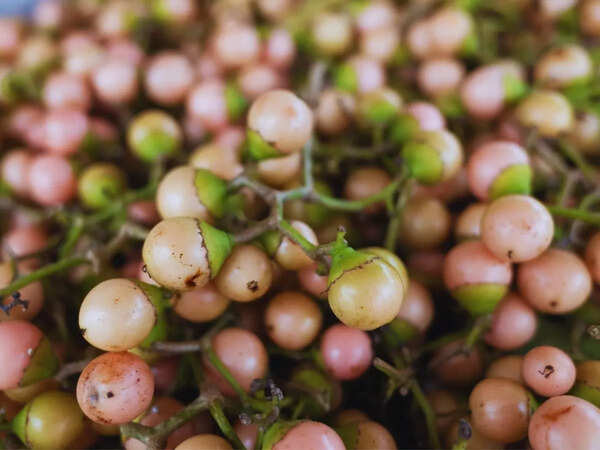
This sticky wild berry, popular in Rajasthan and northern India, is rich in antioxidants and soothing for the throat. It’s often pickled or made into chutneys that balance flavour with health.
Why it’s forgotten: Its sticky texture and unique taste can be off-putting for those unfamiliar with it.
Why They Deserve a Comeback
These native fruits grow naturally in India’s varied climates, often needing little water or care. They’re resilient, nutritious, and represent India’s biodiversity and food heritage. Supporting them means supporting local farmers and helping preserve forgotten flavours that once defined our regional diets.