Five Lesser-Known Quiet Indian Beaches: Calm Waters, Natural Beauty, and Relaxing Seaside away from Typical Tourist Routes

Five Lesser-Known Quiet Indian Beaches: Calm Waters, Natural Beauty, and Relaxing Seaside away from Typical Tourist Routes
Step away from overcrowded coastlines and discover quiet Indian beaches offering calm waters, natural beauty, and slower, more relaxing seaside experiences.
The beaches of Goa and Kerala draw millions annually, often resulting in overcrowded shores that diminish the coastal experience. It is time to look beyond familiar destinations. India possesses a long and diverse coastline spanning over 7,500 kilometers, with many beautiful beaches remaining quiet and untouched by mass tourism. Some hide behind cliffs or forests, while others lie far from conventional tourist routes. These lesser-known shores offer calm waters, natural beauty, and the promise of slower travel that invites visitors to pause, wander, and enjoy the coast differently.
Butterfly Beach, Goa: Secret Golden Cove
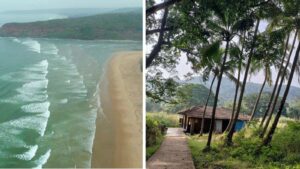
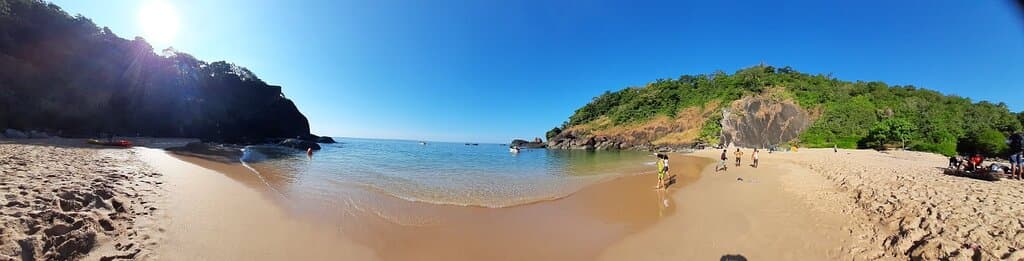
Butterfly Beach in South Goa represents a quiet coastal stretch known for its curved shoreline and remarkably clear waters. Tucked away from busy beaches that define Goa’s tourism image, it feels refreshingly peaceful and scenic. The beach remains accessible only by boat from Palolem or through forest paths, adding to its exclusive charm and keeping visitor numbers manageable.

The semi-circular bay features soft golden sands bordered by hills hosting hundreds of colorful butterflies, giving the beach its distinctive name. This natural phenomenon creates magical moments as these delicate creatures flutter around visitors exploring the shoreline. The beach’s relative seclusion has preserved its pristine character, making it ideal for those seeking unspoiled coastal beauty.
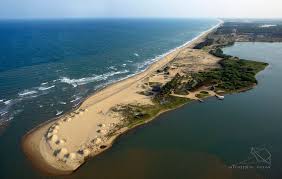
Calm surroundings and rich marine life make Butterfly Beach perfect for swimming and relaxing without the noise and crowds of mainstream Goa beaches. During low tide, the receding waters reveal ocean imps, goldfish, sea cucumbers, and red starfish creating natural tide pools for exploration. Dolphin sightings add excitement to visits, with these playful creatures often visible offshore.
The setting sun over the horizon provides spectacular photo opportunities, with the golden light illuminating the bay’s curve and creating reflections on wet sands. Small food stalls near the boat landing point serve fresh seafood and local dishes, though facilities remain minimal by design to preserve the beach’s natural state.
Best time to visit spans November through March when weather remains pleasant and seas stay calm. The monsoon period from June to September sees the beach become inaccessible due to rough seas and heavy rainfall. Activities include boat rides, snorkeling, kayaking, dolphin watching, and simply relaxing in hammocks strung between palm trees.
Chandipur Beach, Odisha: Magical Receding Tide Miracle
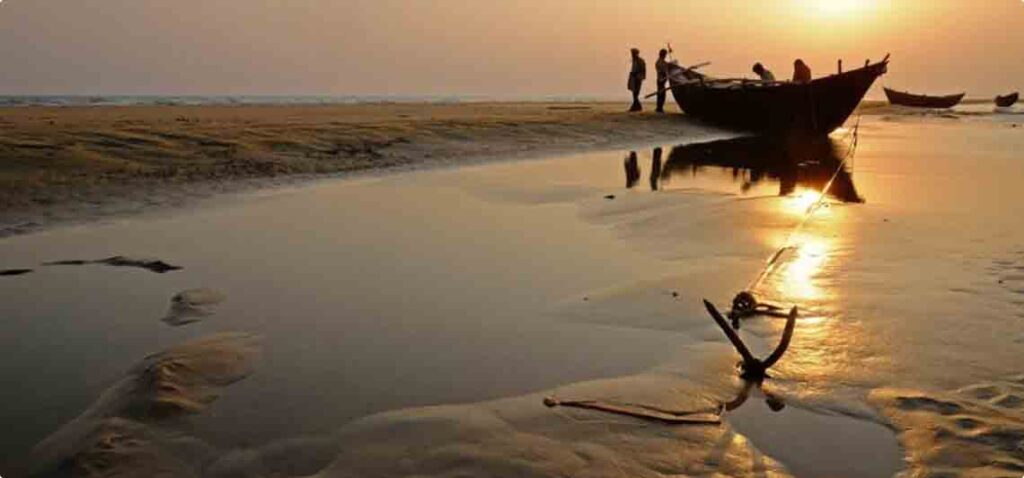
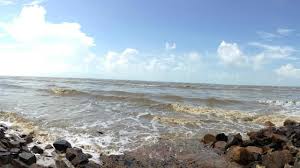
Chandipur Beach in Odisha stands out for its rare disappearing shoreline phenomenon, where the sea retreats up to five kilometers during low tide. This extraordinary natural occurrence, known locally as the “hide-and-seek beach,” creates an otherworldly experience as visitors walk on the exposed seabed for hours before the tide returns.
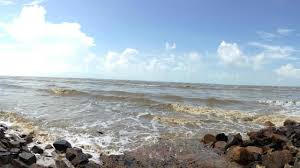
The wide sands revealed during low tide showcase shells, horseshoe crabs, starfish, sea urchins, and various small marine creatures typically hidden underwater. This biodiversity makes Chandipur particularly interesting for nature enthusiasts and photographers capturing unique coastal phenomena. The beach remains quiet and uncrowded compared to popular Odisha destinations like Puri, offering peaceful coastal escapes.
Gentle waves and open horizons create a calm atmosphere enhanced by casuarina plantations lining the shore. The silvery sands stretch endlessly during low tide, creating surreal landscapes where the sea appears to have vanished completely. Local fishermen use this time to collect seafood and marine organisms, providing cultural insights into traditional coastal livelihoods.
Small stalls along the beach serve local street food and fresh seafood, offering tasty treats at modest prices. The nearby Chandipur town provides basic accommodation options, though luxury resorts remain absent, preserving the destination’s unpretentious character.
Located approximately 16 kilometers from Balasore town, Chandipur connects by road from Bhubaneswar, Odisha’s capital located about 235 kilometers away. Regular buses and trains serve Balasore, from where taxis complete the short journey to the beach. Checking tide timings before visiting proves essential to experience the famous receding sea phenomenon.
Best visiting period extends from October through March when temperatures remain comfortable and skies stay clear. The monsoon months witness heavy rainfall and rough seas, making beach access difficult and the tide phenomenon less pronounced.
Om Beach, Karnataka: Spiritual Crescent-Shaped Cove

Om Beach in Karnataka earns its distinctive name from its shape, which resembles the sacred Hindu symbol when viewed from elevated vantage points. Set near Gokarna, a pilgrimage town in Uttara Kannada district, it balances natural beauty with a laid-back vibe attracting backpackers and spiritual seekers alike.
The sandy curve divides into two crescents joined at a narrow point, creating the Om symbol’s characteristic shape. This unique geography makes Om Beach instantly recognizable and provides varied beach experiences within a compact area. One crescent offers calmer waters ideal for swimming, while the other experiences slightly stronger waves suitable for surfing during appropriate seasons.
The beach setting remains relatively undeveloped compared to commercial beach destinations, though numerous beach shacks and cafes line the shore offering accommodation, meals, and refreshments. These establishments maintain rustic charm with bamboo construction and open-air seating, creating comfortable amenities without overwhelming natural surroundings.
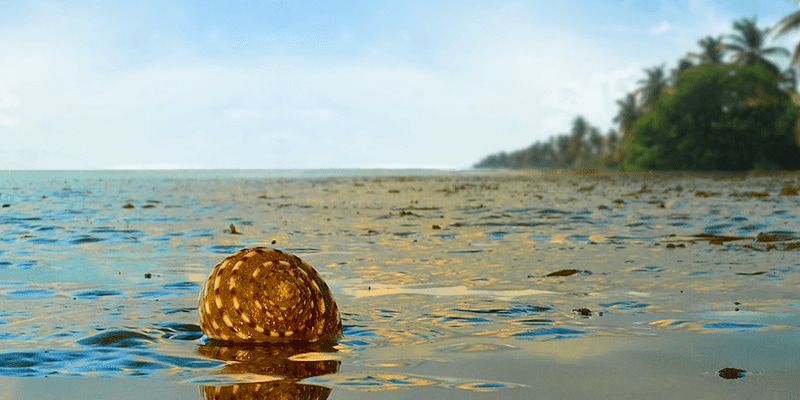
Sunset views from Om Beach prove particularly spectacular, with the sun descending behind rock formations at the beach’s northern end. The golden light illuminating both crescents simultaneously creates photographic opportunities that attract photography enthusiasts. Evening beach walks along the shore reveal tide pools and smooth rocks perfect for meditation or quiet reflection.
Activities include swimming in designated safe zones, beach trekking to nearby Kudle Beach and Half Moon Beach, boat rides to secluded coves, and simple relaxation in beach shacks. Some cafes offer yoga sessions during early mornings, embracing Gokarna’s spiritual heritage.
Om Beach sits approximately five kilometers from Gokarna town, connected by auto-rickshaws, motorcycles, or walking trails along the coast. Gokarna connects to major cities through its railway station and bus services. The nearest airport is Goa’s Dabolim Airport, about 140 kilometers away.
Best visiting period spans October through March, avoiding the heavy monsoon rains between June and September when beaches become unsafe and many shacks close temporarily.
Minicoy Beach, Lakshadweep: Pristine Sands And Turquoise Waters
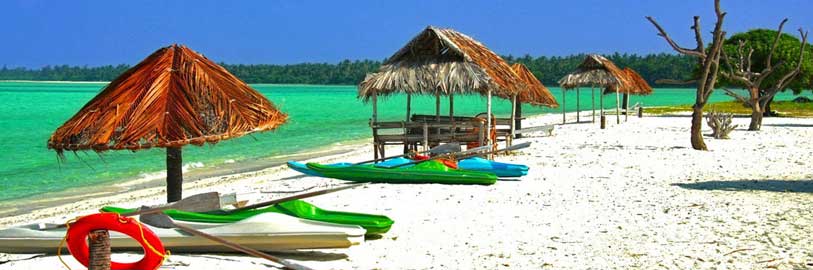
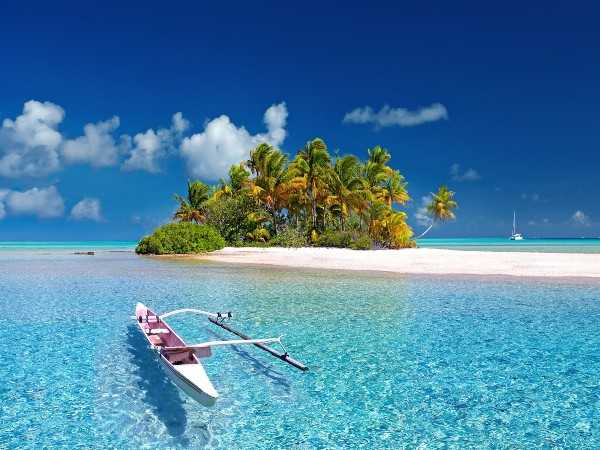
Minicoy Beach in Lakshadweep represents the southernmost inhabited island in India’s only coral atoll archipelago. Known locally as Maliku, the crescent-shaped island boasts one of the largest lagoons in Lakshadweep, surrounded by crystal-clear turquoise waters and pristine white sands creating postcard-perfect tropical scenery.
The island’s remote location approximately 400 kilometers from the mainland has preserved its untouched character. Tourism infrastructure remains limited, ensuring uncrowded beaches and authentic island experiences. Palm-lined shores stretch for kilometers, with coconut groves providing shade and adding to the tropical aesthetic.
Coral reefs surrounding the island create exceptional opportunities for snorkeling and diving, with vibrant marine life including colorful fish, sea turtles, and numerous coral species visible in shallow waters. The lagoon’s calm, protected waters prove perfect for swimming even for those less confident in the ocean.
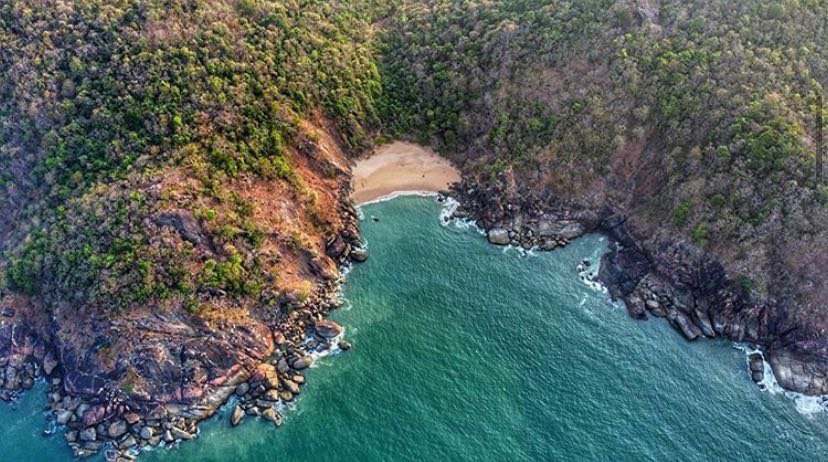
The Minicoy Lighthouse, constructed during British rule, stands as the island’s most prominent landmark. Climbing to the top rewards visitors with panoramic views encompassing the entire island, surrounding lagoon, and endless ocean horizons. The historic structure adds cultural interest beyond natural attractions.
Minicoy’s Maldivian cultural influence distinguishes it from other Lakshadweep islands, with locals speaking Mahl language and practicing unique traditions. The traditional Lava dance performed during festivals showcases this distinctive heritage. Tuna fishing represents the primary livelihood, with visitors able to observe traditional fishing techniques.
Accessing Minicoy requires flying to Agatti Island, the only Lakshadweep island with an airport, followed by inter-island ship transfers. This journey complexity keeps visitor numbers manageable while adding adventure to the travel experience. Accommodation options include government-run tourist facilities and limited homestays.
Best visiting season spans October through May when seas remain calm and weather conditions favor water activities. The monsoon period from June to September sees rough seas that can disrupt transportation and limit beach enjoyment.
Paradise Beach, Puducherry: Secluded Coastal Escape
Paradise Beach in Puducherry offers a clean, sandy stretch reached by a short boat ride across Chunnambar backwaters. Surrounded by calm backwaters on one side and open Bay of Bengal on the other, it feels relaxed and uncrowded despite proximity to Puducherry town.
The boat journey itself provides part of the experience, traveling through serene backwaters lined with dense vegetation before emerging at the secluded beach. This natural barrier prevents road access and casual day-trippers, maintaining the beach’s peaceful character throughout most times.
Soft golden sands and gentle waves make Paradise Beach suitable for extended walks along the shoreline. The beach stretches approximately one kilometer, offering sufficient space for visitors to find private spots even during busier weekends. Shallow waters near shore prove safe for swimming and wading.
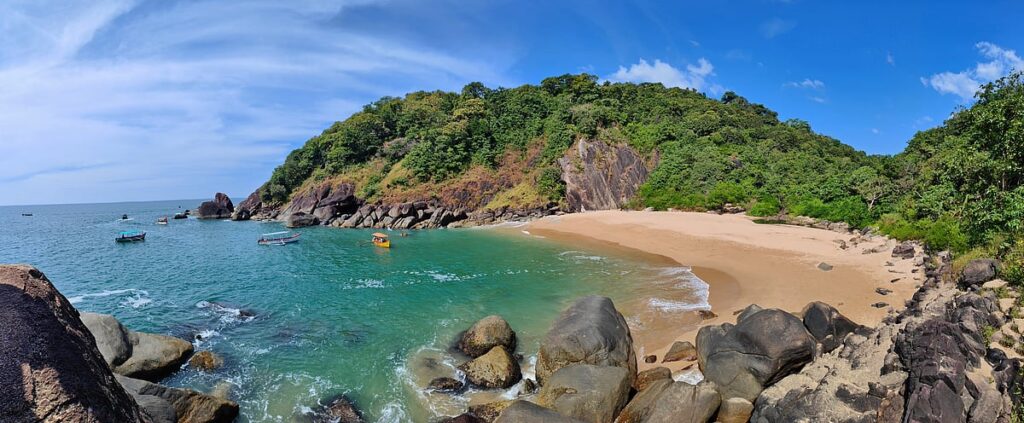
The simple setting allows visitors to enjoy nature without urban distractions. Basic facilities include changing rooms, restrooms, and small food stalls serving snacks and beverages, though luxury amenities remain absent by design. This minimalist approach appeals to those seeking authentic beach experiences rather than resort-style comfort.
The beach’s location provides refreshing contrast to Puducherry’s busy French Quarter and crowded Rock Beach. After exploring the town’s colonial architecture, boutique shops, and cafes, Paradise Beach offers natural respite just 30 minutes away.
Boats to Paradise Beach depart from Chunnambar Boat House, located approximately eight kilometers from Puducherry town center. The journey takes 15-20 minutes through scenic backwaters. Auto-rickshaws and taxis connect Puducherry with Chunnambar. Some operators offer combined backwater cruise and beach visit packages.
Best visiting time extends throughout the year except during monsoons when rough seas occasionally disrupt boat services. Early mornings and weekdays see fewer visitors, offering maximum tranquility for those seeking solitude.
The Case For Lesser-Known Beaches
These five beaches represent just a fraction of India’s undiscovered coastal treasures. Each offers distinct character—from Butterfly Beach’s dolphin encounters to Chandipur’s vanishing sea, Om Beach’s spiritual connections to Minicoy’s tropical paradise, and Paradise Beach’s backwater access. Together they demonstrate that India’s coastline holds far more diversity than mainstream tourism suggests.
Visiting lesser-known beaches benefits both travelers and destinations. Tourists enjoy authentic experiences without crowds, better value accommodation, and opportunities to engage meaningfully with local communities. Destinations receive tourism income distributed beyond saturated hotspots, reducing environmental pressure on overvisited areas while supporting coastal economies.
As 2026 approaches, consider exploring these quiet shores that promise the coastal relaxation and natural beauty that drew people to beaches originally, before mass tourism transformed popular destinations. The slower pace, genuine interactions, and unspoiled landscapes of lesser-known beaches offer refreshing alternatives to conventional coastal holidays.
Disclaimer: This article is for informational purposes only.