Forbidden Places In The World Humans Are Not Allowed To Visit — One Lies In India
Forbidden Places In The World Humans Are Not Allowed To Visit — One Lies In India
From secret military bases and sealed tombs to snake-infested islands and protected tribal zones, these locations remain off-limits for reasons of safety, security, and preservation.
The world is full of places that invite adventure — mountains to climb, ruins to explore, islands to discover. Yet a few corners of the planet are completely out of bounds, no matter how curious you are.
Some are restricted because they involve national security. Others are protected because human presence could destroy fragile heritage or threaten isolated communities. And in a few cases, nature itself has made these places too dangerous to enter.
Here are seven of the most famous forbidden places on Earth, where ordinary people are strictly not allowed to go.

Area 51, USA
Few restricted sites are as legendary as Area 51, a top-secret U.S. military base in Nevada. Established in 1955, it was officially acknowledged only in 2013.
The government maintains it is used for testing experimental aircraft and defence technology. But decades of secrecy have fuelled endless speculation, including UFO and alien conspiracy theories. The area is heavily guarded, and trespassing can lead to serious legal consequences.
North Sentinel Island, India
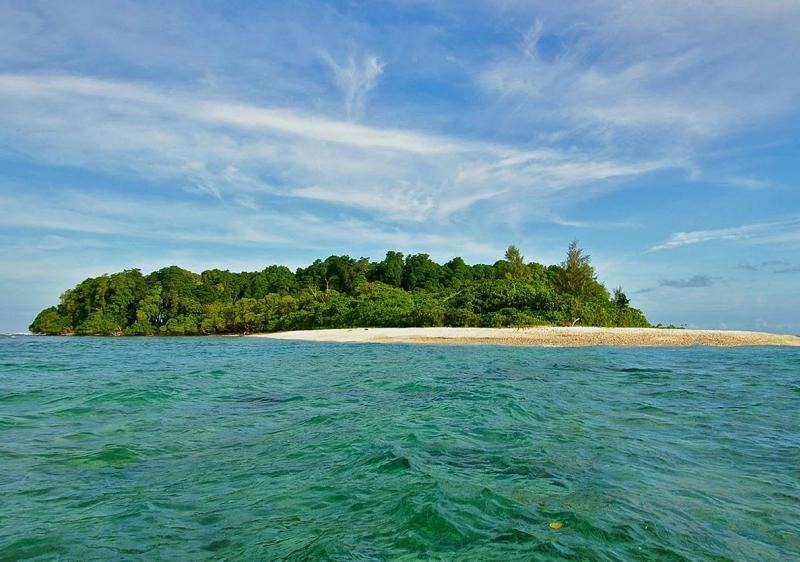
One of the world’s most protected places lies in India’s Andaman and Nicobar Islands. North Sentinel Island is home to the Sentinelese, an indigenous tribe that has lived in voluntary isolation for thousands of years.
The Indian government strictly bans entry to protect the tribe from outside diseases and interference, and also to ensure visitor safety. It remains one of the last true no-contact zones on Earth.
Ilha da Queimada Grande (Snake Island), Brazil
Known simply as Snake Island, this Brazilian island is considered one of the most dangerous places in the world.
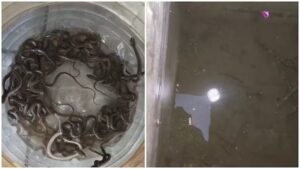
It is home to thousands of highly venomous golden lancehead vipers. With snakes reportedly spread across much of the terrain, public access has been banned. Only authorised scientists, accompanied by medical support, are allowed to visit.
Mausoleum of Qin Shi Huang, China
The tomb of China’s first emperor, Qin Shi Huang, is one of history’s greatest mysteries. While the famous terracotta warriors have been partially excavated, the main burial chamber remains sealed.
Authorities fear that opening it could cause irreversible damage to artefacts and ancient structures. The mausoleum is now a UNESCO World Heritage Site, admired but still largely untouched.
Chichen Itza Pyramid (El Castillo), Mexico
El Castillo, the iconic pyramid at Chichen Itza, draws tourists from across the world. However, climbing it has been banned since 2006 after a fatal fall.
The restriction is meant to protect both visitors and the centuries-old structure, ensuring the ancient wonder survives for future generations.
Svalbard Global Seed Vault, Norway
Often called the “Doomsday Vault,” the Svalbard Global Seed Vault is a highly secured facility built deep inside an Arctic mountain.
It stores millions of seed samples from around the world as a backup against global crises. Entry is extremely restricted, and only authorised personnel can access the vault.
These forbidden locations remind us that not every place is meant to be explored. Some must remain protected — for safety, secrecy, history, or respect for communities that choose to live untouched by the modern world.
Disclaimer: Access rules may vary and restrictions can change. Always follow official travel advisories and local laws.