Grapes or Bananas: Which Fruit Is Friendlier for Your Blood Sugar?

Grapes or Bananas: Which Fruit Is Friendlier for Your Blood Sugar?
Choosing fresh fruit is one of the simplest ways to support overall health—and yes, that includes maintaining stable blood sugar levels. In fact, regularly eating whole fruits has been linked to a lower risk of developing type 2 diabetes. But when it comes to everyday options like grapes and bananas, many people wonder: does one have a bigger impact on blood sugar than the other?
Let’s break it down in a clear and practical way.
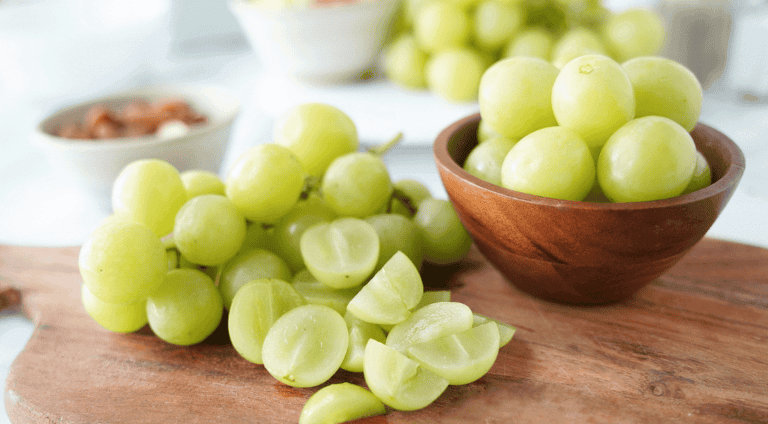
How Grapes Influence Blood Sugar
Grapes are naturally sweet and contain relatively less fiber compared to some other fruits. Because of this, their sugars are absorbed more quickly into the bloodstream, which can lead to a faster and slightly sharper increase in blood sugar levels.

Another important factor is how easy they are to eat. Since grapes are small and snackable, it’s common to eat more than intended—sometimes without realizing it. Naturally, larger portions can lead to a greater rise in blood sugar.
A half-cup serving of grapes contains roughly 17 grams of sugar. While that might sound high, it’s not usually a concern for most healthy individuals. The body typically manages this rise efficiently, and the increase in blood sugar tends to be mild and temporary.
Grapes also contain water and beneficial nutrients, which help slow down how quickly sugars are absorbed—so they’re not as harsh on blood sugar as refined sweets.
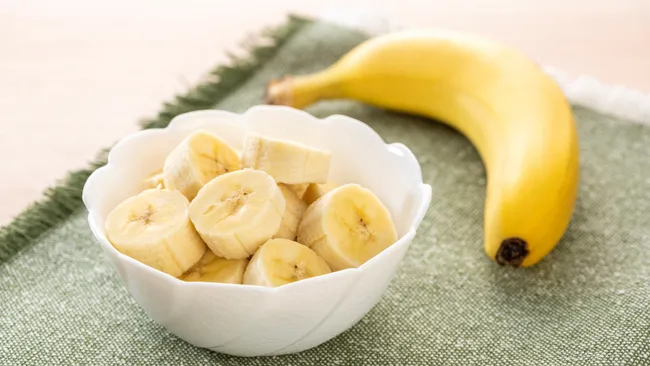
How Bananas Affect Blood Sugar
Bananas, on the other hand, tend to provide a more gradual and sustained release of energy. However, their effect on blood sugar largely depends on how ripe they are.
- Unripe (green) bananas contain more resistant starch. This type of carbohydrate isn’t fully digested in the small intestine, which slows down sugar absorption. It can also help improve insulin sensitivity and support better blood sugar control.
- Ripe bananas contain more natural sugars and less resistant starch, meaning they raise blood sugar more quickly than green bananas—but still in a generally gentle way.
Bananas also offer about 3 grams of fiber per medium fruit, which acts like a natural buffer. This fiber slows digestion and helps prevent sudden spikes in blood sugar.
So, Which One Is Better?
There isn’t a clear “winner” here.
Both grapes and bananas can be part of a healthy diet, and neither is inherently bad for blood sugar when eaten in appropriate portions. For people without diabetes, the body is usually very capable of handling the natural sugar found in whole fruits.
The better choice really depends on your needs at the moment:
- Need quick energy? Grapes may be more helpful due to their faster-acting sugars.
- Want to stay full longer? A banana is likely the better option because of its fiber and slower digestion.
Simple Tips to Keep Blood Sugar Steady
No matter which fruit you prefer, a few smart habits can help you maintain better control over your blood sugar:
- Choose whole fruits over juices or sweets
Whole fruits contain fiber, vitamins, and plant compounds that support overall health and help regulate sugar absorption. - Pair fruits with protein or healthy fats
Adding foods like nuts, yogurt, or seeds can slow digestion and prevent sudden spikes in blood sugar. - Stay active
Physical activity improves insulin sensitivity. Even a short 10-minute walk after meals can help your body use blood sugar more effectively. - Think about what to add, not remove
Instead of avoiding fruits like grapes, consider combining them with something filling—like a handful of nuts—to make your snack more balanced. - Build balanced meals
Include a mix of carbohydrates, proteins, and healthy fats, along with a variety of whole foods like vegetables, legumes, whole grains, and lean proteins.
Grapes and bananas both bring valuable nutrients to the table, and neither needs to be avoided out of fear of blood sugar spikes. The key lies in portion control, ripeness (in the case of bananas), and how you combine foods in your meals.
Rather than labeling one fruit as “better,” it’s more useful to understand how each works in your body—and use that knowledge to match your food choices to your daily needs.
Note: This article is provided for informational and general purposes only.