Great Potoo: The ‘Tree Stump’ Bird That Sees with Its Eyes Closed
Great Potoo: The ‘Tree Stump’ Bird That Sees with Its Eyes Closed
During the day, the great potoo remains silent and motionless in the trees.
The great potoo is a bird that has earned its place in local folklore due to its eerie, moaning growl heard throughout the night. In some South American communities, the haunting call is thought to be the sound of children searching for lost parents.
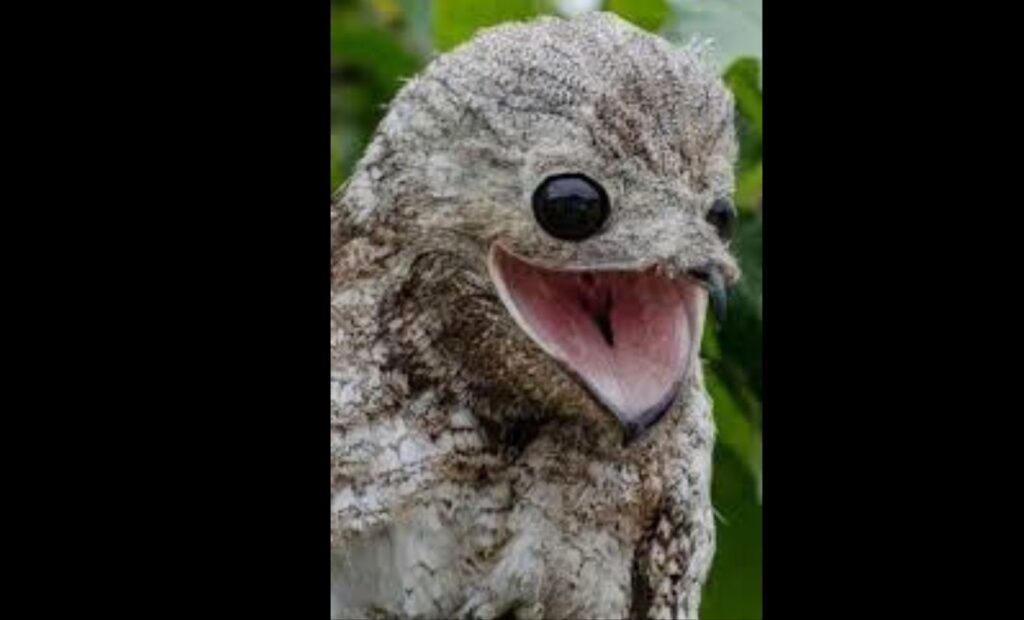
A true expert in camouflage, the great potoo’s mottled gray and brown feathers make it almost indistinguishable from a tree branch or stump. Its ability to stay perfectly still is a key defense against predators.
This nocturnal bird is native to the forests and tropical lowlands of Central and South America, where it can grow to a height of 24 inches (60 cm) and have a wingspan of up to 28 inches (70 cm). Its gray, brown, and white plumage helps it blend seamlessly with the bark of trees, making it nearly invisible to other creatures.

During the day, the great potoo remains silent and motionless in the trees. As night falls, it becomes an active predator. With large, owl-like eyes that sit on the sides of its head, it excels in low-light vision. The great potoo’s wide, flattened beak is perfectly designed for catching flying insects and bats mid-air.
One of its most unique features is its eyelid slits, which allow the bird to detect light and movement even when its eyes are closed. This adaptation helps it detect potential threats or prey while resting.
The great potoo’s haunting calls further distinguish it. Throughout the night, it produces a low, moaning growl that has contributed to its legendary status. Some local myths in South America suggest the calls are the cries of children lost in the wilderness. These vocalizations are also used to communicate and defend their territory.
Great potoos are monogamous, forming lifelong pairs. Together, they share the duties of incubating their egg and caring for their offspring. The female lays a single egg in a natural depression on a tree branch, relying on their camouflage and acute vision to protect it.
The incubation period lasts about 30 days, with both parents taking turns keeping the egg warm. While little is known about their exact lifespan, it’s estimated that great potoos live between 12 and 14 years, similar to other birds. However, their secretive behavior leads to lack of clarity with respect to their lifespan.