GST on Food, Clothing to 5%, Health Insurance to Nil: Relief Expected Ahead of Diwali
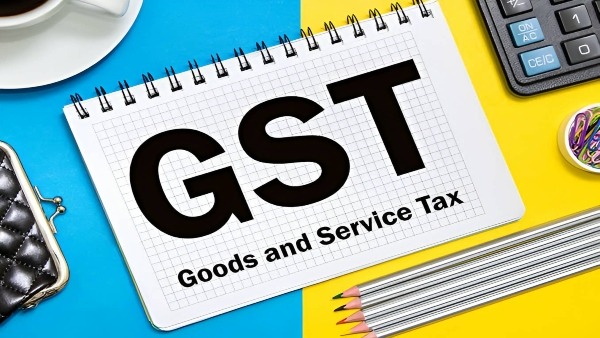
GST Rate Cut: Namkeens, Ice Cream, Cheese and Parathas to Get Cheaper From September 22
GST Council to meet on September 3–4; major reforms under “GST 2.0” may slash rates on essentials, insurance, and services.
Households, students, and businesses may soon get a big relief as the GST Council, chaired by Union Finance Minister Nirmala Sitharaman, is set to discuss sweeping rate cuts in its upcoming meeting on September 3–4, 2025, in New Delhi. From food grains and dairy products to clothing, cement, and insurance services, a wide range of goods and services may become cheaper ahead of Diwali under the proposed “GST 2.0” reforms.
Details of Proposed GST Changes:

- Food and Household Essentials:
The Council is considering expanding the nil tax slab to cover ultra-heat treated (UHT) milk, packaged paneer, pizza bread, khakhra, chapati, roti, paratha, and parotta. These items, currently taxed between 5% and 18%, could move to zero GST. - Education-Related Goods:
Maps, atlases, globes, printed charts, pencils, crayons, tailor’s chalk, sharpeners, exercise books, graph books, and laboratory notebooks may shift from the 12% bracket to nil, easing the burden on students and households. - Food Items to Move from 12% to 5%:
Butter, condensed milk, jams, mushrooms, dates, nuts, and namkeens are among the items proposed for a reduced GST rate of 5%. Chocolates with cocoa, cereal flakes, pastries, and ice cream—currently in the 18% slab—are also likely to move to 5%, bringing down prices of popular everyday items. - Services and Consumer Goods:
Taxes on salons and beauty parlours may fall from 18% to 5%, with additional relief for small salons. GST on ACs and refrigerators may be reduced to 18%. Cement, which is currently in the 28% slab, is expected to move to 18%, lowering construction costs. - Insurance Sector:
One of the most significant proposals is to reduce GST on personal and health insurance from 18% to nil, making these services more affordable for middle-class families. - Automobiles:
The Council is also expected to rationalise GST rates on cars. Small cars (under 4 meters) may attract 18% tax, while larger cars may fall under a 40% tax rate, down from the current effective rate of 50% (28% GST plus 22% cess).
If approved, the reforms under GST 2.0 will simplify the tax structure, scrap the 12% slab, and reduce costs across essential goods and services. With Diwali approaching, the proposed changes could provide a much-needed festive boost to consumers and businesses, while also streamlining compliance and reducing inflationary pressure.